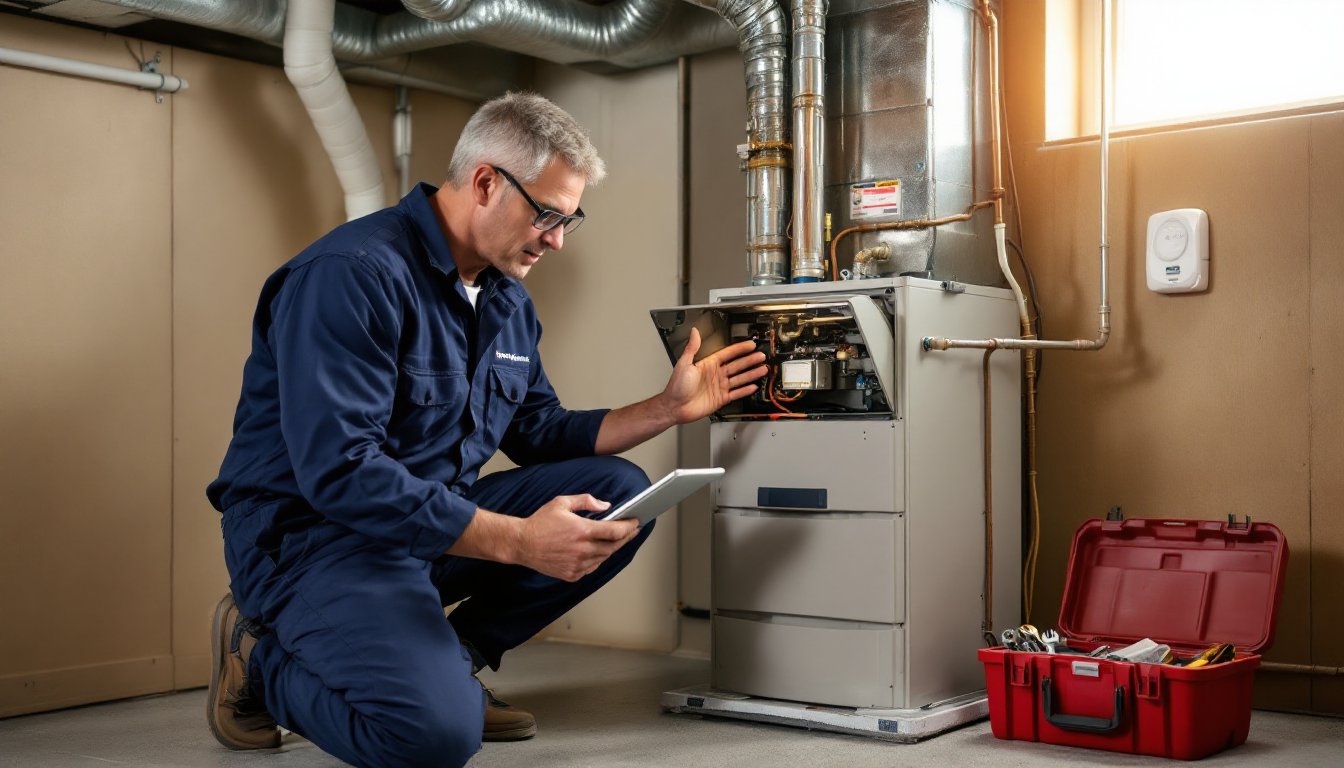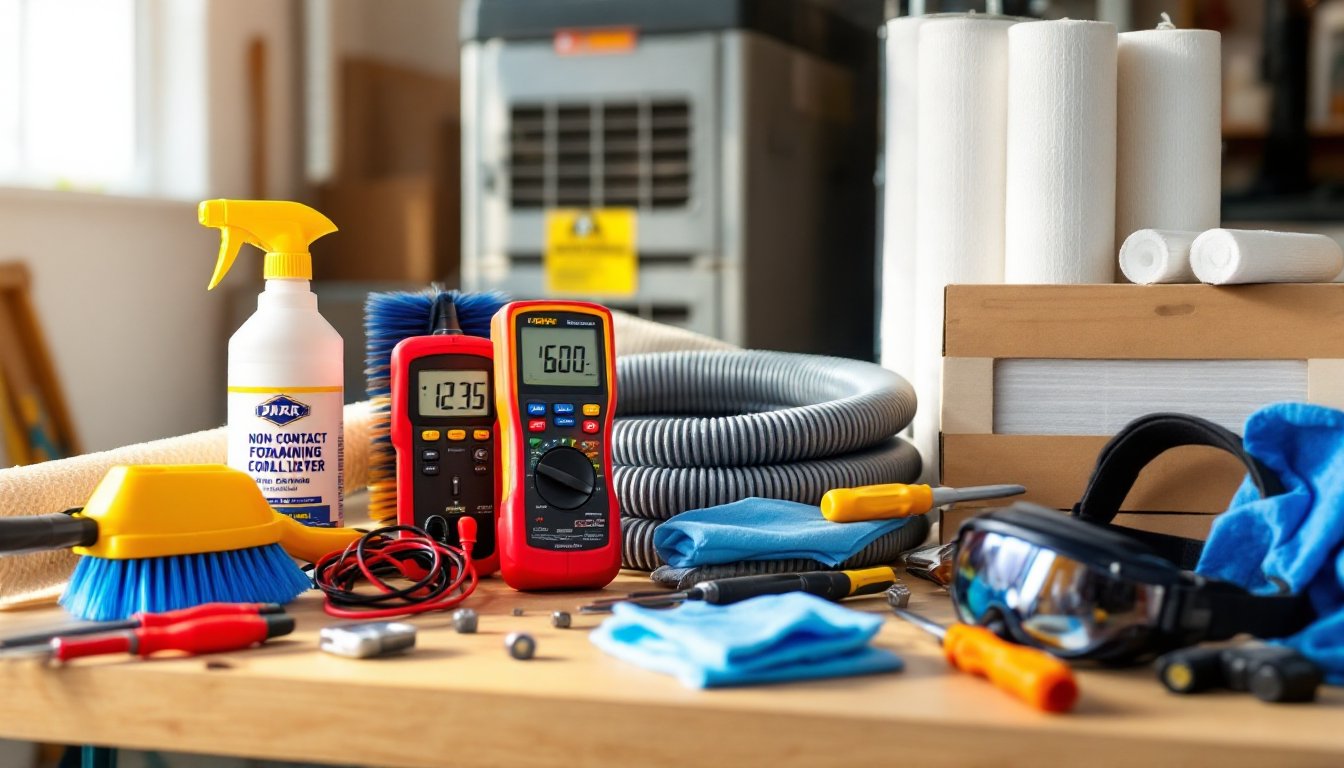
Keeping your HVAC system running smoothly doesn’t always require a service call. With the right tools on hand, homeowners can tackle routine maintenance tasks, catch small issues before they become expensive repairs, and extend the life of their heating and cooling equipment. Most HVAC upkeep falls into two categories: regular care anyone can do, and diagnostic work that requires a bit more know-how. This guide breaks down the essential HVAC maintenance tools for both, along with what’s worth buying versus what’s better left to the pros.
Table of Contents
ToggleKey Takeaways
- The right HVAC maintenance tools help homeowners save $75–$200 per service call and extend system lifespan from 10–15 years to 15–20 years through routine preventive care.
- Essential HVAC maintenance tools include infrared thermometers, replacement filters (MERV 8-13), coil brushes, and a wet/dry vacuum for basic care that any homeowner can perform quarterly or monthly.
- A multimeter and anemometer are advanced HVAC tools that enable DIY troubleshooting of electrical issues and airflow problems without requiring professional diagnostics.
- Safety equipment such as ANSI-rated safety glasses, work gloves, dust masks, and a non-contact voltage tester is non-negotiable for protecting yourself from sharp edges, electrical hazards, and airborne contaminants.
- Never attempt refrigerant work, electrical repairs beyond basic troubleshooting, or gas line modifications yourself—these require EPA certification and licensed professionals to comply with local permit requirements.
- Starting with basic HVAC maintenance tools like filters and brushes lets homeowners catch small issues early, prevent breakdowns during peak seasons when repair costs spike, and reduce energy bills over time.
Why Having the Right HVAC Tools Matters for Home Maintenance
HVAC systems are one of the biggest investments in any home, and regular maintenance is the best way to protect that investment. A well-maintained furnace or air conditioner can last 15 to 20 years, but neglect cuts that lifespan in half. Simple tasks like changing filters, cleaning coils, and monitoring performance can prevent breakdowns during the hottest or coldest days of the year, exactly when repair costs spike and technicians are booked solid.
Having your own tools also saves money. A basic service call runs $75 to $200 just for the visit, even if the problem turns out to be a dirty filter or a tripped breaker. With a small toolkit, homeowners can handle quarterly or monthly checkups without waiting on a technician’s schedule. That said, refrigerant work, electrical repairs beyond basic troubleshooting, and anything involving gas lines should always be handled by a licensed HVAC professional. Many jurisdictions require permits for system modifications, and working with refrigerants requires EPA certification.
Knowing what tools to keep on hand also helps when a pro does show up. You’ll be able to describe symptoms more accurately, provide temperature readings, and confirm you’ve already handled the basics, all of which speeds up diagnosis and keeps labor costs down.
Basic HVAC Tools for Routine System Care
Thermometers and Gauges for Temperature Monitoring
A non-contact infrared thermometer is one of the most useful tools for HVAC diagnostics. Point it at supply vents, return grilles, or the evaporator coil to check temperature differentials. A healthy air conditioner should show a 14°F to 20°F drop between return air and supply air. If the split is too narrow, the system might be low on refrigerant or have airflow issues. If it’s too wide, the evaporator coil could be freezing up.
Digital thermometers with probe attachments work well for checking temperatures inside ducts or near components that are harder to reach. For homeowners who want more detail, a basic HVAC manifold gauge set measures refrigerant pressures, but this is only useful if you’re trained to interpret the readings. Most DIYers won’t need gauges unless they’re working with a technician who walks them through the process.
A simple analog thermometer placed near the thermostat can also confirm that the thermostat itself is reading accurately. If the room feels warmer or cooler than the displayed temperature, recalibration or replacement might be needed. Following a seasonal maintenance routine helps catch these inconsistencies before they affect comfort.
Filters, Brushes, and Cleaning Supplies
Replacement filters are the single most important consumable for HVAC care. Standard fiberglass filters (MERV 1-4) are cheap but offer minimal filtration. Pleated filters (MERV 8-13) trap more dust, pollen, and dander without choking airflow, provided they’re changed every 60 to 90 days. Higher MERV ratings (14+) are overkill for most residential systems and can actually restrict airflow if the blower isn’t sized for them.
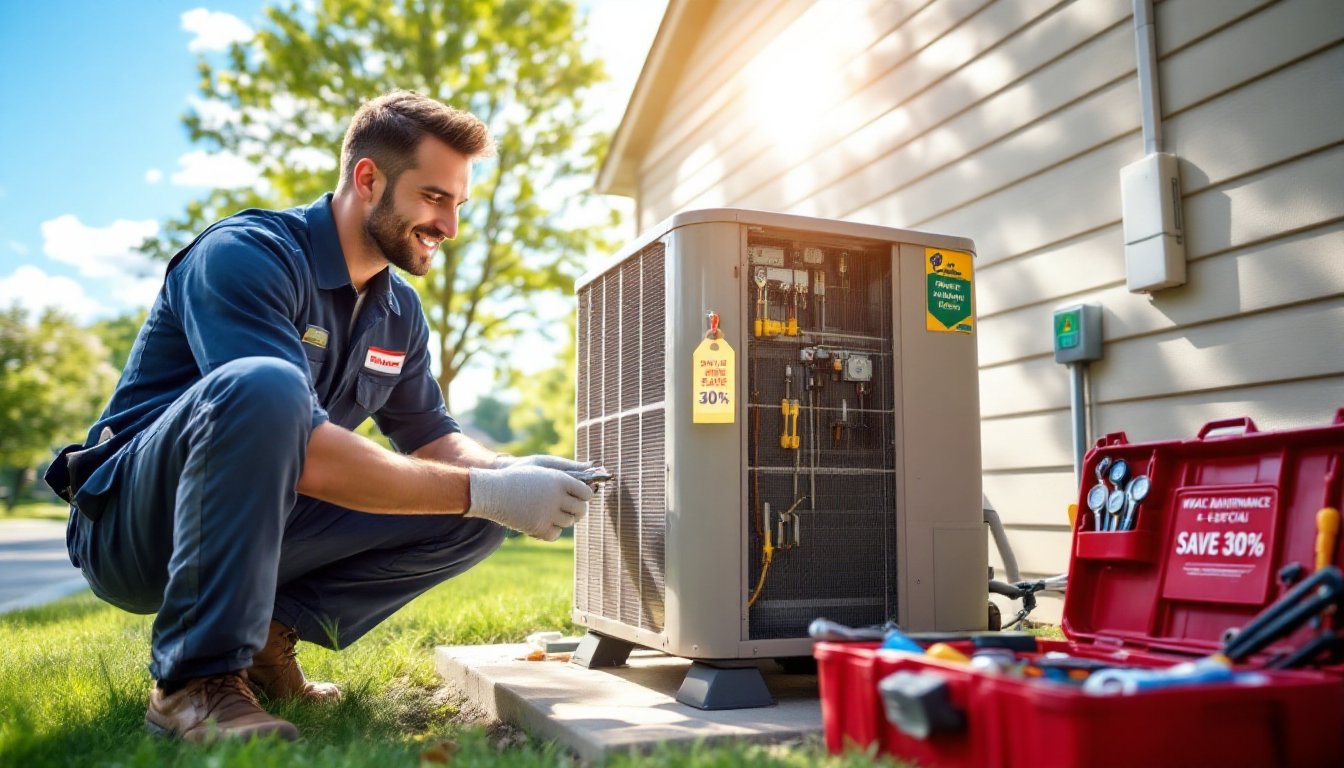
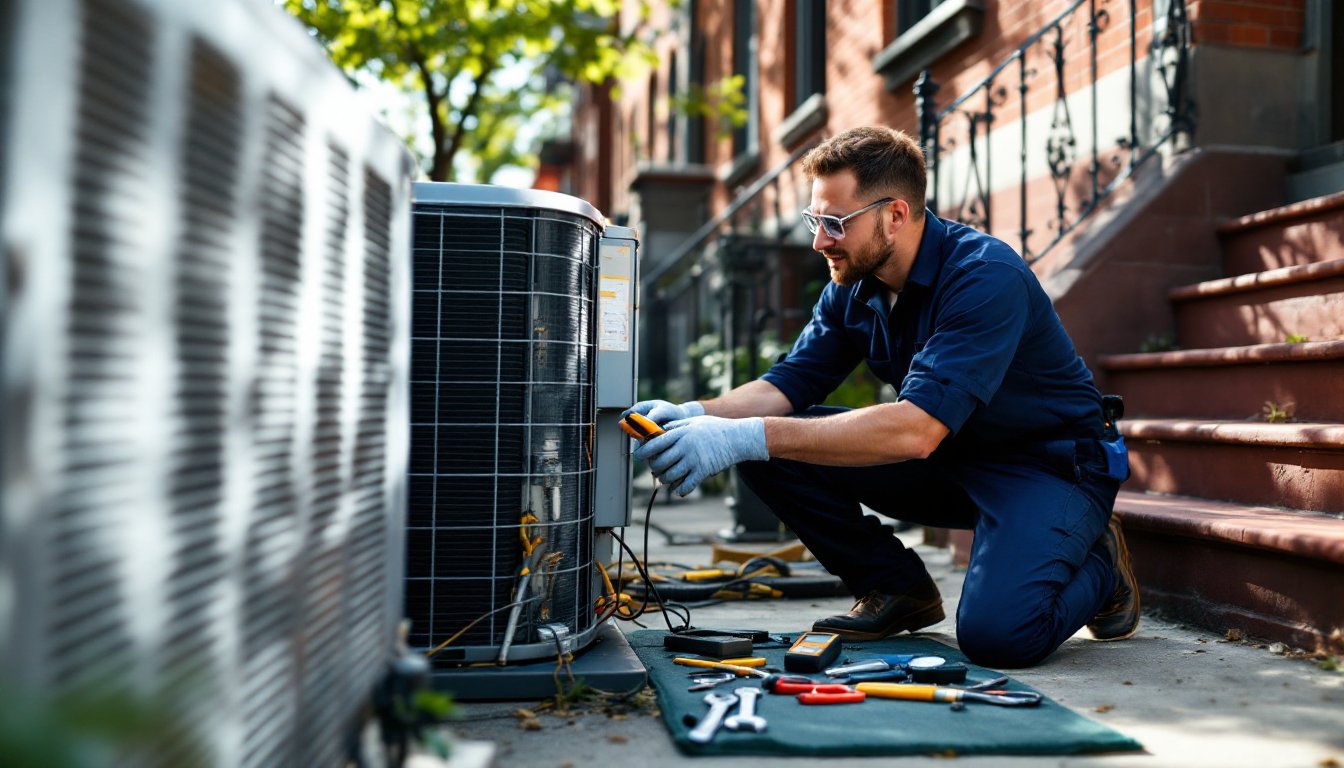
A coil cleaning brush with soft nylon bristles is essential for outdoor condenser units. Dirt, cottonwood seeds, and grass clippings clog the fins and reduce efficiency. Use the brush gently, aluminum fins bend easily, and follow up with a garden hose spray from the inside out to push debris away from the coil. Avoid pressure washers: they’ll flatten fins and damage the coil.
For indoor evaporator coils, a coil cleaner spray (no-rinse foaming formulas work best) breaks down dust and biofilm. Apply it during spring maintenance, let it sit per the label instructions, and the condensate drain will carry away the residue. A small wet/dry vacuum is handy for clearing drain pans and sucking out debris from blower compartments. Pair it with a drain snake or brush kit to keep the condensate line clear, clogs here cause water damage and shutdowns.
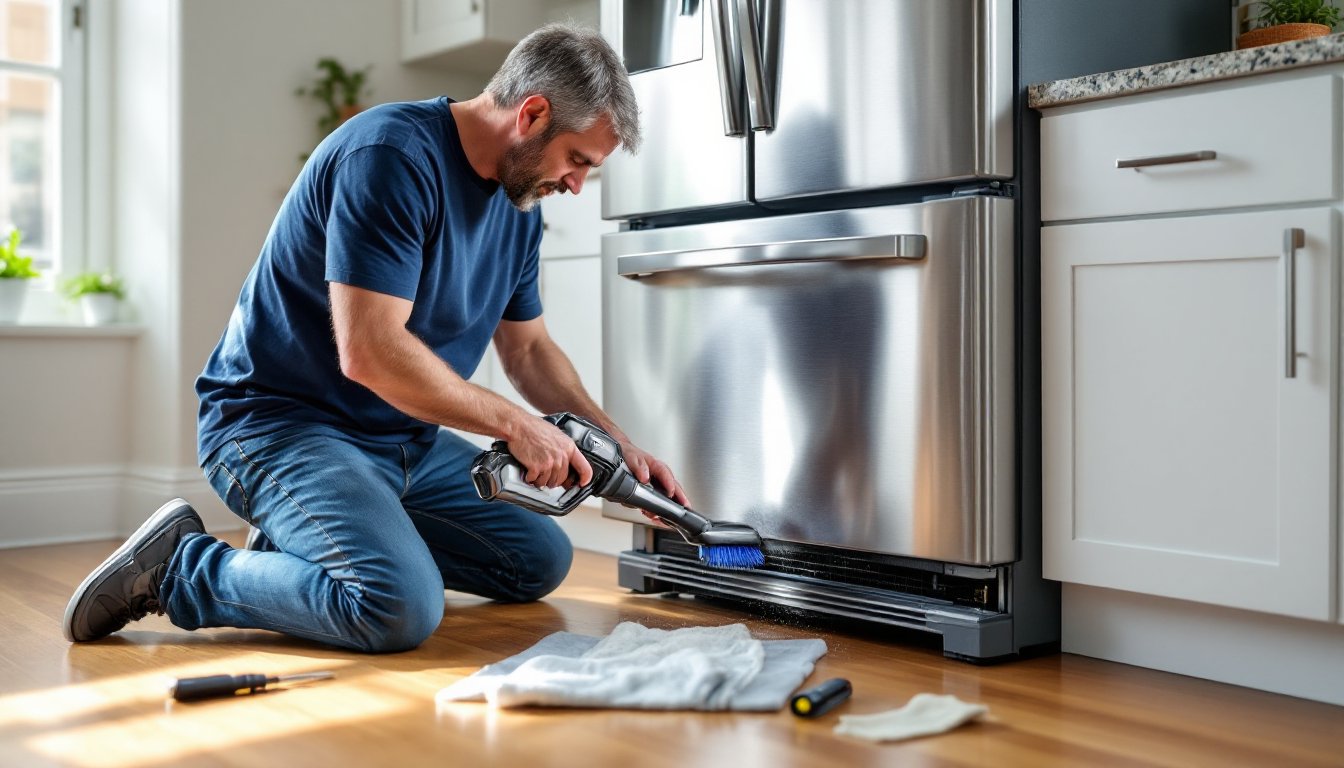
Keep a stash of microfiber cloths and a spray bottle of mild detergent for wiping down registers, grilles, and the exterior cabinet. Dust buildup isn’t just cosmetic: it gets pulled into the system and coats internal components.
Advanced Tools for DIY HVAC Troubleshooting
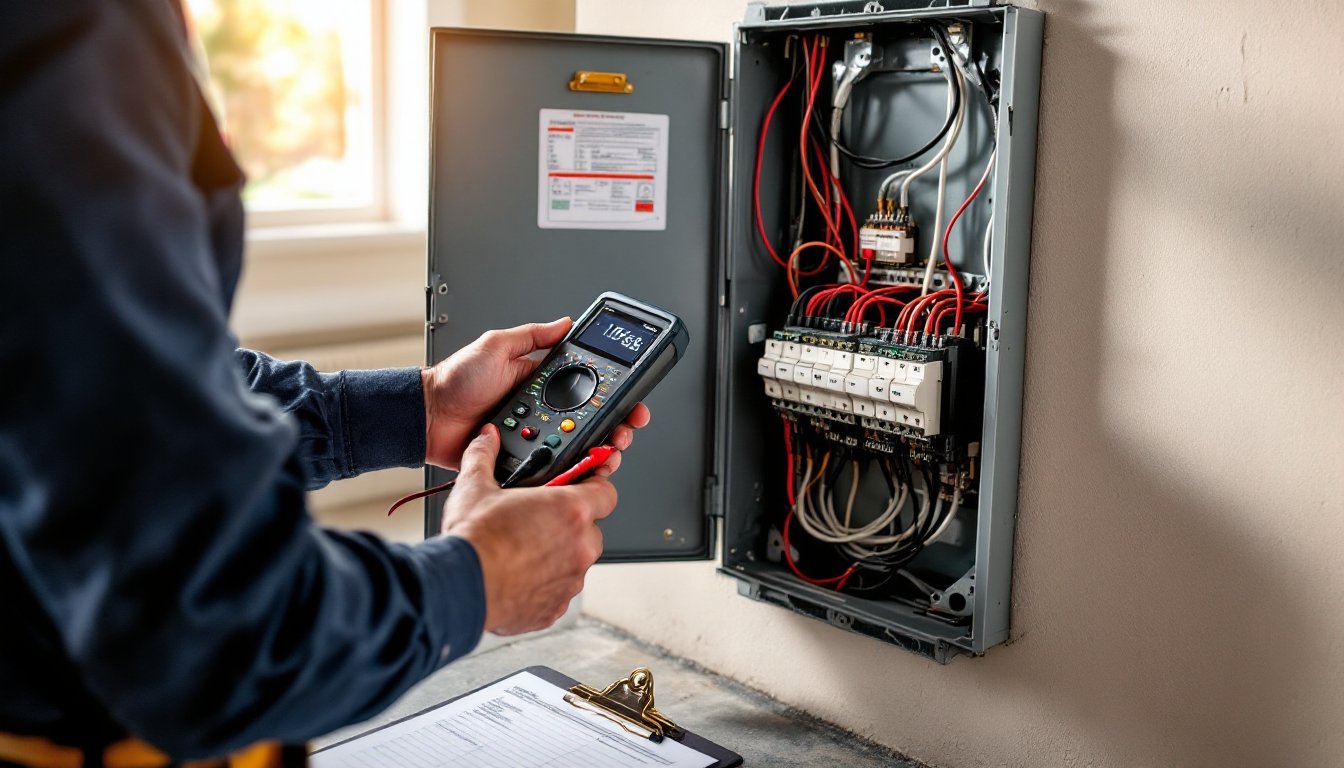
A multimeter is the go-to diagnostic tool for electrical issues. Use it to check voltage at the disconnect box, test capacitors (which store energy to start the compressor and blower motor), and confirm continuity in safety switches. A bad capacitor is one of the most common HVAC failures and shows up as a compressor that hums but won’t start. Multimeters range from $20 budget models to $200+ pro versions: a mid-range unit with capacitance testing is ideal for homeowners.
Capacitors can hold a dangerous charge even when power is off. Always discharge them with an insulated screwdriver across the terminals before testing. If you’re not comfortable working with electrical components, call a technician, capacitor replacement is quick and inexpensive when done by a pro.
An anemometer measures airflow velocity at supply registers. Low airflow often points to a clogged filter, blocked ducts, or a failing blower motor. Checking airflow across multiple vents helps pinpoint whether the problem is systemic or isolated to one zone. Many digital anemometers also read temperature, giving you two tools in one.
A flashlight or headlamp with a strong beam is non-negotiable for inspecting dark furnace cabinets, attic air handlers, and crawlspace ductwork. Look for an LED model rated at least 500 lumens. Magnetic or clip-on versions free up both hands.
For ductwork inspections, a telescoping inspection mirror lets you see around corners and behind equipment without dismantling panels. Pair it with a smartphone or USB inspection camera (available for under $30) to photograph problem areas or verify that a repair was done correctly.
Keep a nut driver set and a screwdriver set (both flathead and Phillips) in your HVAC toolkit. Cabinet panels, blower doors, and electrical covers are typically secured with hex-head screws in 1/4-inch or 5/16-inch sizes. A socket set with deep sockets is useful for condenser fan motors and compressor mounting bolts. Using proven maintenance techniques ensures each task is done right the first time.
Safety Equipment and Protective Gear
HVAC work involves sharp metal edges, electrical components, and chemical cleaners, so safety glasses are mandatory. Look for ANSI Z87.1-rated eyewear that fits snugly and won’t fog up. If you’re working in dusty attics or handling fiberglass insulation, upgrade to sealed safety goggles.
Work gloves protect against cuts and punctures. Leather or synthetic gloves with reinforced palms work well for handling sheet metal and condenser units. Use nitrile gloves when applying coil cleaners or handling refrigerant line insulation, which can irritate skin.
A dust mask or N95 respirator is essential when cleaning blower compartments or changing filters in systems that haven’t been serviced in a while. Mold, dust mites, and rodent droppings are common in neglected HVAC equipment. If you encounter visible mold or a strong musty odor, stop work and consult a professional, remediation might be needed before maintenance continues.
Ear protection isn’t often discussed for HVAC work, but compressors and blower motors can exceed 80 decibels at close range. If you’re running the system during diagnostics or spending more than a few minutes near operating equipment, foam earplugs or earmuffs reduce fatigue and protect hearing.
Always turn off power at the breaker and the disconnect switch before opening any HVAC cabinet. Even experienced DIYers get complacent, but a single mistake with live voltage can be fatal. Use a non-contact voltage tester to confirm power is off before touching wiring or components. Homeowners following effective maintenance guides build these safety habits into every task.
Keep a fire extinguisher rated for electrical fires (Class C) near your HVAC equipment, especially if your furnace is gas-fired. It’s also smart to have a carbon monoxide detector in the same room as a gas furnace or near return air grilles. For detailed seasonal upkeep, resources like HVAC preventative maintenance guides offer step-by-step checklists.
Finally, invest in a good kneeling pad if your air handler or furnace is in a basement or crawlspace. Concrete floors are hard on knees during extended service work, and a $10 foam pad makes a big difference. Publications like Family Handyman and Popular Mechanics regularly feature tutorials on safe DIY practices for home systems.
Conclusion
A modest investment in HVAC maintenance tools pays off in lower energy bills, fewer emergency repairs, and a system that lasts years longer. Start with the basics, filters, brushes, a thermometer, and safety gear, and add diagnostic tools as your confidence grows. Know your limits, respect electrical and refrigerant work that requires a license, and you’ll keep your home comfortable without very costly.