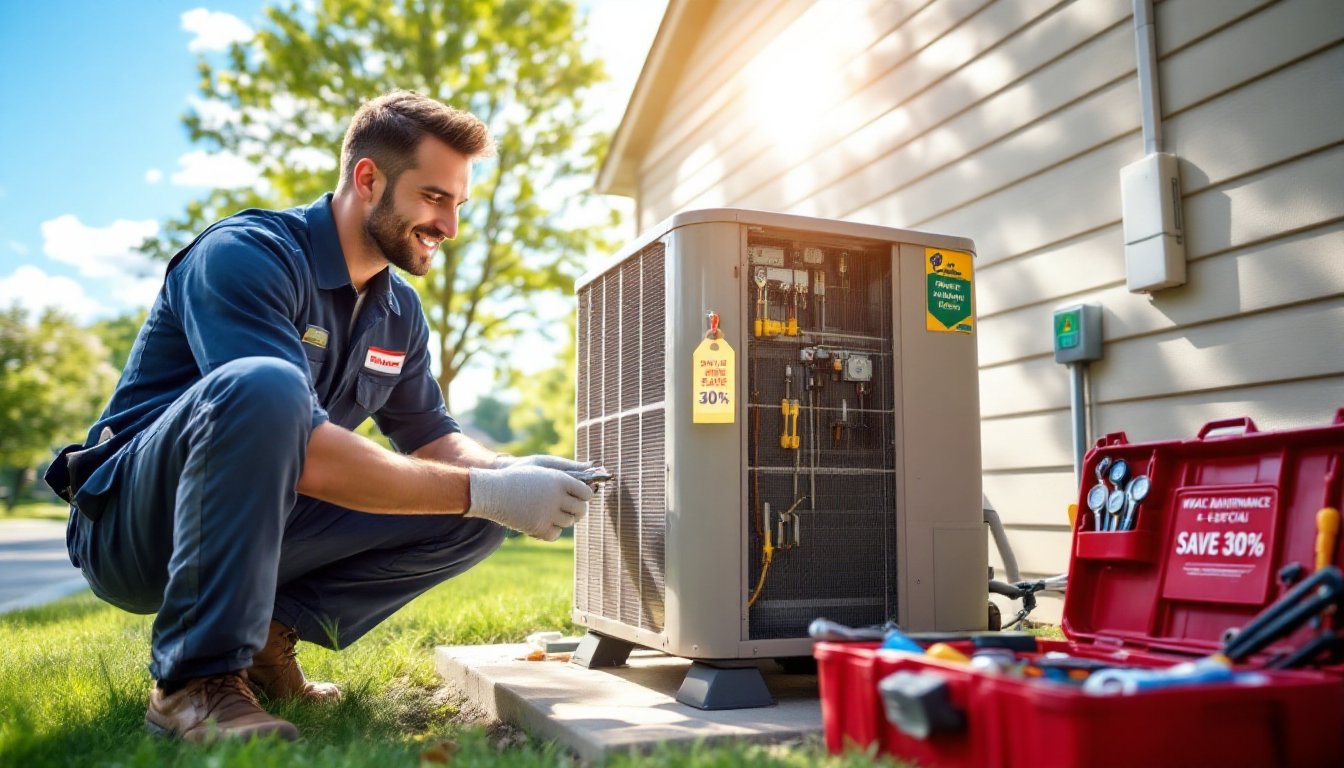
HVAC maintenance isn’t the most glamorous part of homeownership, but skipping it can lead to blown capacitors, frozen coils, and four-figure emergency repair bills on the hottest day of summer. Regular tune-ups keep systems running efficiently and catch small problems before they snowball. The catch? Annual maintenance visits typically run $75–$200 per system, and most homes have both heating and cooling to service. That’s where HVAC maintenance specials come in, strategically timed offers that can slash those costs while keeping warranties valid and energy bills under control.
Table of Contents
ToggleKey Takeaways
- HVAC maintenance specials can reduce annual tune-up costs by 20–50% while preventing expensive emergency repairs and extending system lifespan by several years.
- Spring (March–May) and fall (September–November) are the best seasons for HVAC maintenance specials when contractors are less busy and offer more thorough service.
- A comprehensive HVAC maintenance special should include specific tasks like coil cleaning, refrigerant verification, electrical inspections, and filter replacement—not just a visual inspection.
- Always verify whether the quoted price covers both heating and cooling systems, check for hidden fees, and confirm what tasks and filter grades are included before booking.
- Utility rebate programs and contractor loyalty discounts can save an additional $50–$100, so compare offers across local companies, chains, and your utility provider before committing.
What Are HVAC Maintenance Specials and Why Do They Matter?
HVAC maintenance specials are promotional offers from heating and cooling contractors designed to fill their schedules during slower seasons and attract new customers. These deals typically discount standard tune-up services, sometimes by 20–50%, and may bundle in extras like priority scheduling, extended warranties, or reduced rates on future repairs.
The financial math is straightforward. A neglected system works harder, uses 15–25% more energy, and fails sooner. Most manufacturers void equipment warranties if owners can’t prove annual professional maintenance. A $100 tune-up can prevent a $1,500 compressor replacement or extend a unit’s lifespan from 12 years to 18.
Beyond warranty compliance, maintenance specials give homeowners leverage. Contractors competing for business during off-peak months offer better rates and more thorough service than the bare-minimum visits common during peak season. A tech who’s not rushing between five emergency calls will actually check refrigerant levels, inspect ductwork, and answer questions.
Most specials include a standardized checklist: filter replacement, coil cleaning, refrigerant charge verification, electrical connection inspection, thermostat calibration, and condensate drain clearing. Some add perks like whole-home system inspections, priority emergency service for a year, or discounts on air quality upgrades. The key is understanding what’s included versus what’s an upsell.
When to Look for the Best HVAC Maintenance Deals
Seasonal Timing: Spring and Fall Specials
Contractors are least busy during the shoulder seasons, March through May and September through November, when temperatures are mild and neither heating nor cooling is running full-tilt. That’s when aggressive promotions appear.
Spring specials (March–May) focus on air conditioning prep before summer heat. Contractors want to lock in customers before the June rush when they’re booked solid with breakdowns. This is the ideal window to service cooling systems, replace aging thermostats, and address any issues that cropped up during winter dormancy.
Fall specials (September–November) target furnace and heat pump maintenance before heating season. In many regions, October is the sweet spot, early enough that contractors aren’t slammed, late enough that homeowners are thinking about winter. Some companies offer dual-system discounts if scheduling both heating and cooling maintenance at once.
Mid-season scheduling also means better tech availability. The same contractor who rushes through a 20-minute visit in July might spend 45 minutes in April, catching problems a hurried inspection would miss.
Holiday Promotions and Year-End Offers
Some contractors run promotions around major holidays, Memorial Day, Labor Day, and Black Friday, tying HVAC specials to broader retail sales cycles. These can be genuine deals or marketing gimmicks, so compare the “sale” price against normal rates.
Year-end offers (November–December) serve a different purpose. Companies trying to meet annual revenue targets or clear inventory on filters, thermostats, and accessories may bundle maintenance with equipment upgrades. For homeowners, this is also when flexible spending account (FSA) or health savings account (HSA) balances expire, and energy-efficient HVAC improvements sometimes qualify for tax credits under the Inflation Reduction Act.
What’s Typically Included in HVAC Maintenance Specials
Not all maintenance packages are created equal. Budget specials might cover only a visual inspection and filter swap, while comprehensive plans include genuine preventive work. Here’s what a solid tune-up should include:
For air conditioning and heat pumps:
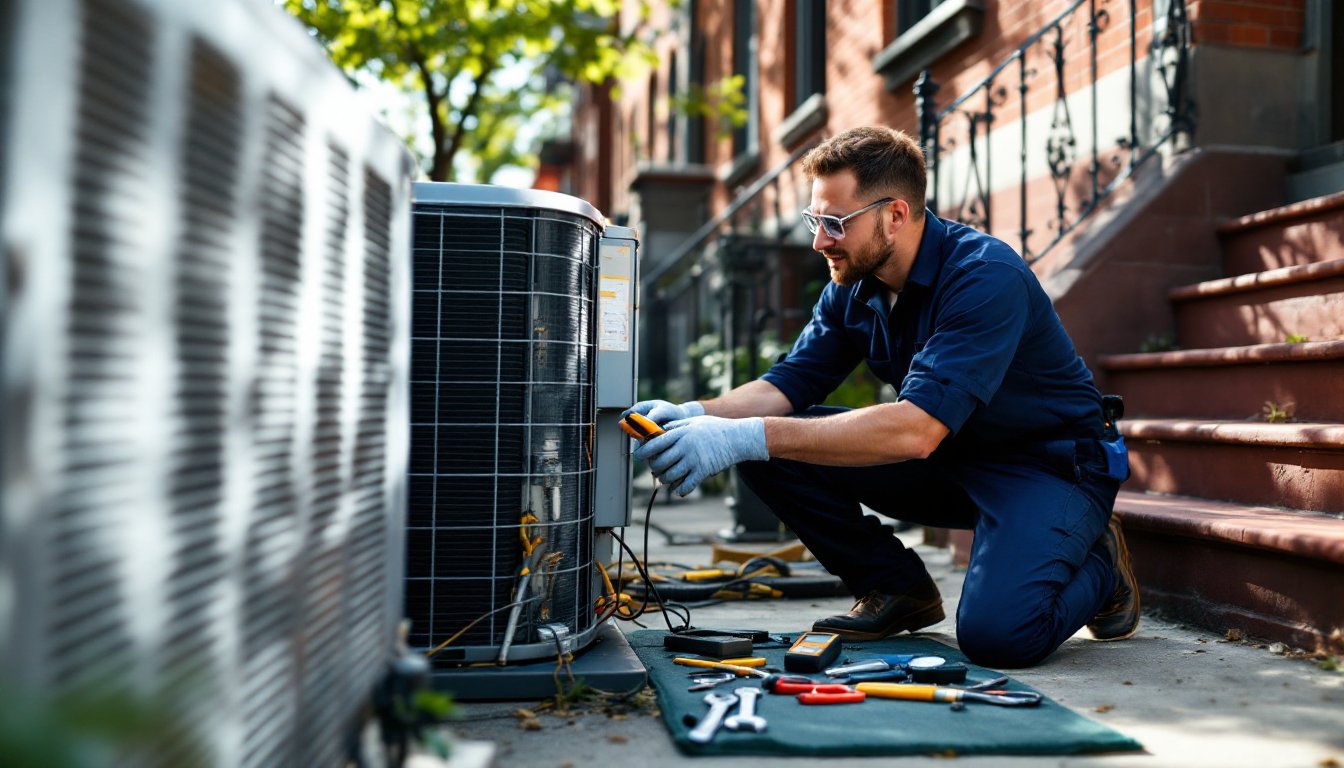
- Clean evaporator and condenser coils (dirty coils reduce efficiency by 30%)
- Check refrigerant charge and look for leaks
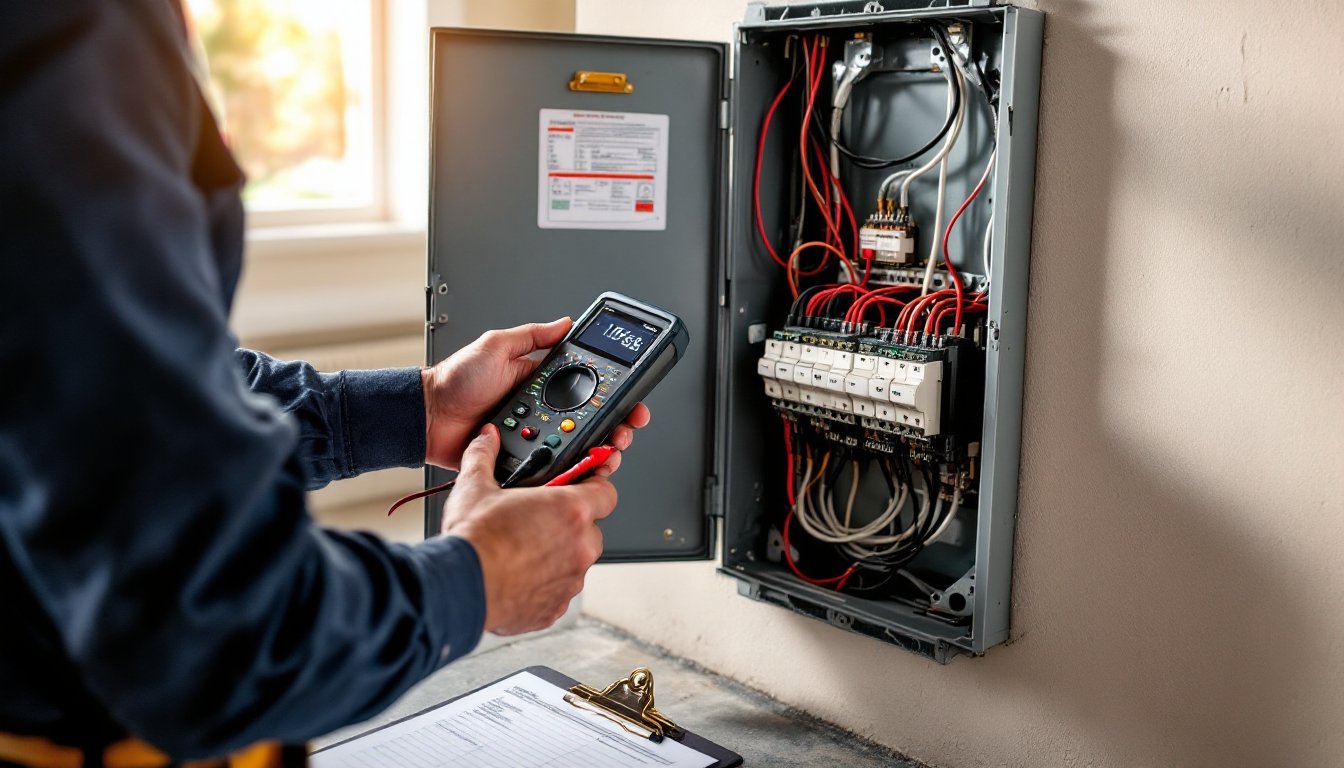
- Inspect and tighten electrical connections
- Lubricate moving parts (motors, bearings)
- Test capacitors and contactors
- Clear condensate drain lines
- Verify thermostat accuracy
- Measure airflow and temperature split across the coil
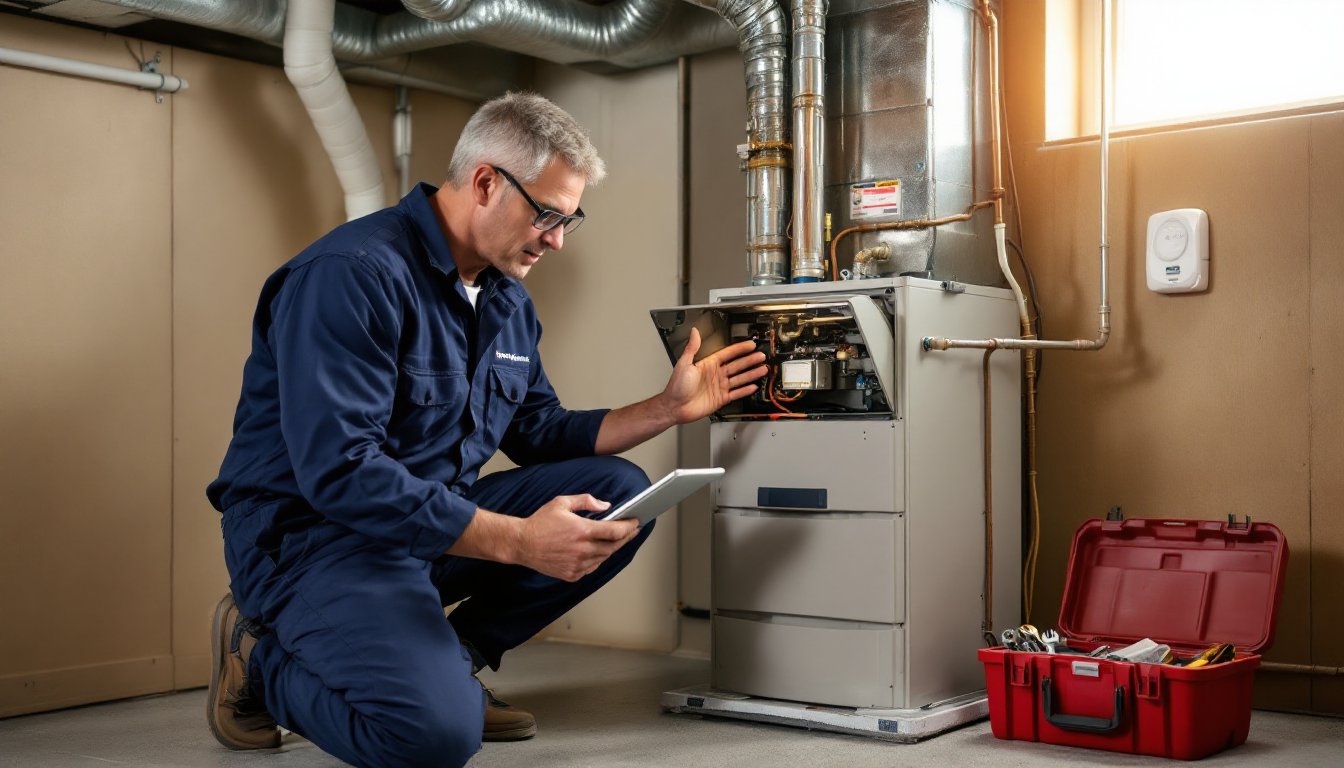
For furnaces (gas, oil, or electric):
- Inspect heat exchanger for cracks (carbon monoxide risk)
- Clean or replace burners and flame sensors
- Test ignition system and safety controls
- Check gas pressure and connections for leaks
- Inspect flue pipe and venting
- Lubricate blower motor
- Test limit switches and rollout sensors
- Verify proper combustion (CO₂ and O₂ levels)
Many maintenance specials include a standard 1-inch pleated filter replacement, but if the system uses a 4-inch media filter or washable filter, clarify whether replacement or cleaning is included. Some contractors charge extra for filters above basic MERV 8 ratings.
Be wary of specials that advertise a rock-bottom price but don’t list specific tasks. A “21-point inspection” sounds thorough until you realize half the checklist is just looking at components without actually servicing them. According to data on typical HVAC service costs, comprehensive tune-ups take 60–90 minutes per system, not 20.
Some premium packages add extras worth considering:
- Duct inspection with camera or visual check for leaks
- Blower door test to measure whole-home air leakage
- UV light installation for mold/bacteria control in humid climates
- Smart thermostat upgrade at a discounted rate
- Membership plans offering two annual visits plus repair discounts
How to Find and Compare Local HVAC Maintenance Deals
Start by checking websites and social media for contractors already servicing the area. Local companies often advertise specials on Facebook, Google Business profiles, or Nextdoor. Regional HVAC chains and national franchises (like Aire Serv, One Hour Heating & Air Conditioning) run standardized promotions across markets.
Home improvement platforms like HomeAdvisor aggregate contractor offers and allow side-by-side comparisons, though pricing can vary based on system type, home size, and local market rates. Always verify that the quoted price includes both heating and cooling if servicing both systems.
Direct mail and email lists remain common. If you’ve used a contractor before, they likely have you on a list for seasonal reminders and early-bird discounts. Some companies offer loyalty pricing, 10–15% off for returning customers or referrals.
Utility company partnerships are underutilized. Many electric and gas utilities subsidize HVAC maintenance through rebate programs or partnerships with certified contractors. Check your utility’s website or call customer service to ask about available programs. Rebates can cover $50–$100 of a tune-up cost.
When comparing offers, calculate the effective cost per system. A company advertising “$79 maintenance special” might charge that price per unit, $158 total for a split system with both indoor and outdoor components. Another contractor quoting “$120 for heating and cooling” may be the better deal.
Check online reviews on Google, Yelp, and the Better Business Bureau, but filter out extremes. Focus on recurring themes: Did techs show up on time? Were upsells pushy or informative? Did they actually perform the promised services, or just glance around and leave?
Licensing and insurance are non-negotiable. Every tech entering your home should carry an EPA Section 608 certification (required for refrigerant work), plus liability insurance and workers’ comp. Don’t hesitate to ask for proof.
Questions to Ask Before Committing to a Maintenance Special
Before booking, nail down the details. Promotional offers can have fine print that changes the value proposition. Here are the questions that separate solid deals from bait-and-switch schemes:
What specific tasks are included? Ask for a written checklist or service agreement. “Comprehensive tune-up” means nothing without a task list.
Is the price per system or per visit? Clarify whether the quoted rate covers one outdoor condenser, one indoor air handler, and one furnace, or just one piece of equipment.
Are filters included, and what grade? Standard 1-inch fiberglass filters cost $3: a 4-inch MERV 13 pleated filter runs $25–$40. If filters aren’t included, factor that into the total cost.
What’s the cancellation or rescheduling policy? Some specials require booking within a specific window or lose their promotional rate if rescheduled.
Are there additional fees? Ask about service call charges, diagnostic fees, after-hours rates, or mileage fees for rural properties. Some specials waive the trip charge but not other add-ons.
What happens if they find a problem? Get clarity on repair pricing. Does the company charge flat-rate pricing (set fee per repair regardless of time) or time-and-materials? Are parts marked up, and by how much?
Is this a one-time special or an annual membership? Some “deals” are actually the first year of a recurring service agreement. Confirm whether you’re signing up for auto-renewal and what future years cost.
Do you offer a satisfaction guarantee or warranty on labor? Reputable contractors stand behind their work for at least 30–90 days. If something fails shortly after service, they should return at no charge.
Are your technicians background-checked and employed, or subcontractors? Companies using in-house techs typically provide more consistent service and accountability than those relying on independent subs.
Can you provide references or examples of similar work? For older or unusual systems (boilers, geothermal, mini-splits), confirm the tech has relevant experience.
Finally, trust your gut. If a company pushes hard for same-day service, quotes prices far below competitors without explanation, or makes the deal sound urgent (“today only.”), that’s often a red flag. Good contractors don’t need high-pressure tactics, they stay busy through repeat customers and word-of-mouth.