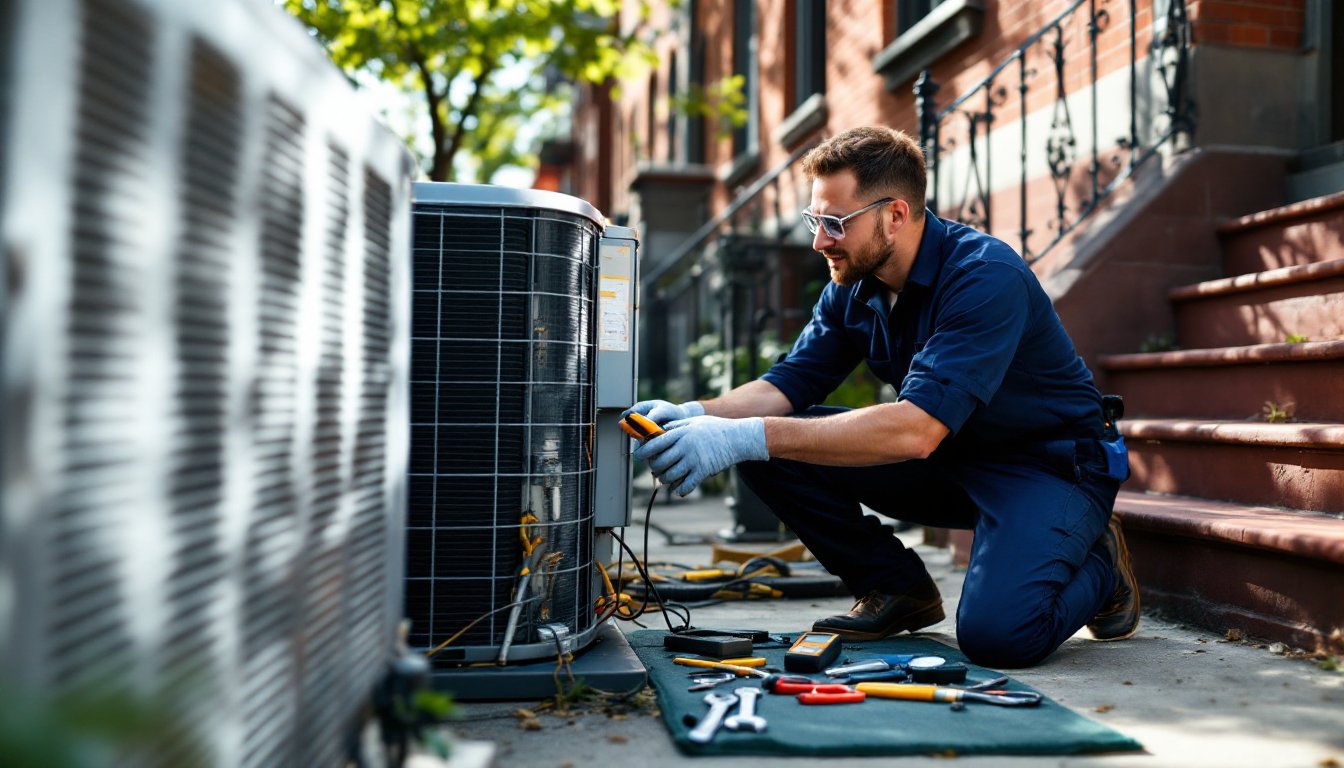
Brooklyn’s climate hits HVAC systems with a one-two punch: humid summers that push air conditioners to their limits and frigid winters that strain heating equipment. Without regular maintenance, homeowners risk breakdowns during peak seasons, exactly when repair costs spike and technician availability drops. A well-maintained HVAC system doesn’t just prevent emergency service calls. It lowers energy bills, extends equipment life by years, and keeps indoor air quality in check. This guide walks through seasonal maintenance tasks, identifies what homeowners can tackle solo, and clarifies when it’s time to bring in a licensed professional.
Table of Contents
ToggleKey Takeaways
- Regular HVAC maintenance in Brooklyn improves system efficiency by 15-20%, directly reducing energy bills and preventing costly emergency repairs during peak seasons.
- Monthly filter replacements and quarterly drain flushes are simple DIY tasks that homeowners can perform to maintain HVAC performance without professional assistance.
- Professional HVAC maintenance is essential annually to honor manufacturer warranties, verify safety controls, and address refrigerant leaks—services that require EPA certification and NYC licensing.
- Brooklyn’s humid summers and cold winters demand twice-yearly seasonal maintenance: spring prep for cooling systems and fall prep for heating equipment to prevent mid-season breakdowns.
- Carbon monoxide hazards, gas odors, and electrical burning smells require immediate professional attention or emergency services, not DIY troubleshooting.
Why Regular HVAC Maintenance Matters for Brooklyn Homeowners
Brooklyn’s housing stock, from brownstones with vintage radiators to newer builds with central air, presents unique challenges. Many systems work overtime due to poor insulation, drafty windows, or undersized ductwork. Skipping annual maintenance accelerates wear on compressors, blower motors, and heat exchangers.
Maintained systems run 15-20% more efficiently than neglected ones. A dirty filter or clogged condensate drain forces equipment to work harder, spiking utility bills. Neglected coils accumulate grime that acts as insulation, preventing proper heat transfer. That inefficiency translates directly to wasted energy and shortened component life.
Safety matters, too. Gas furnaces with cracked heat exchangers leak carbon monoxide, a silent killer. Faulty electrical connections overheat and spark fires. Regular inspections catch these hazards before they endanger occupants. Most manufacturers require annual professional service to keep warranties valid, so skipping maintenance can void coverage on expensive repairs.
Local code compliance adds another layer. NYC’s Local Law 87 mandates energy audits and retro-commissioning for larger buildings, but single-family homeowners benefit from similar diligence. Systems that meet current efficiency standards qualify for utility rebates and tax credits, but only if documentation proves proper maintenance.
Seasonal HVAC Maintenance Checklist for Brooklyn’s Climate
Brooklyn’s four-season climate demands twice-yearly HVAC attention. Spring and fall transitions are ideal times to prep systems before extreme temperatures hit.
Spring and Summer Prep
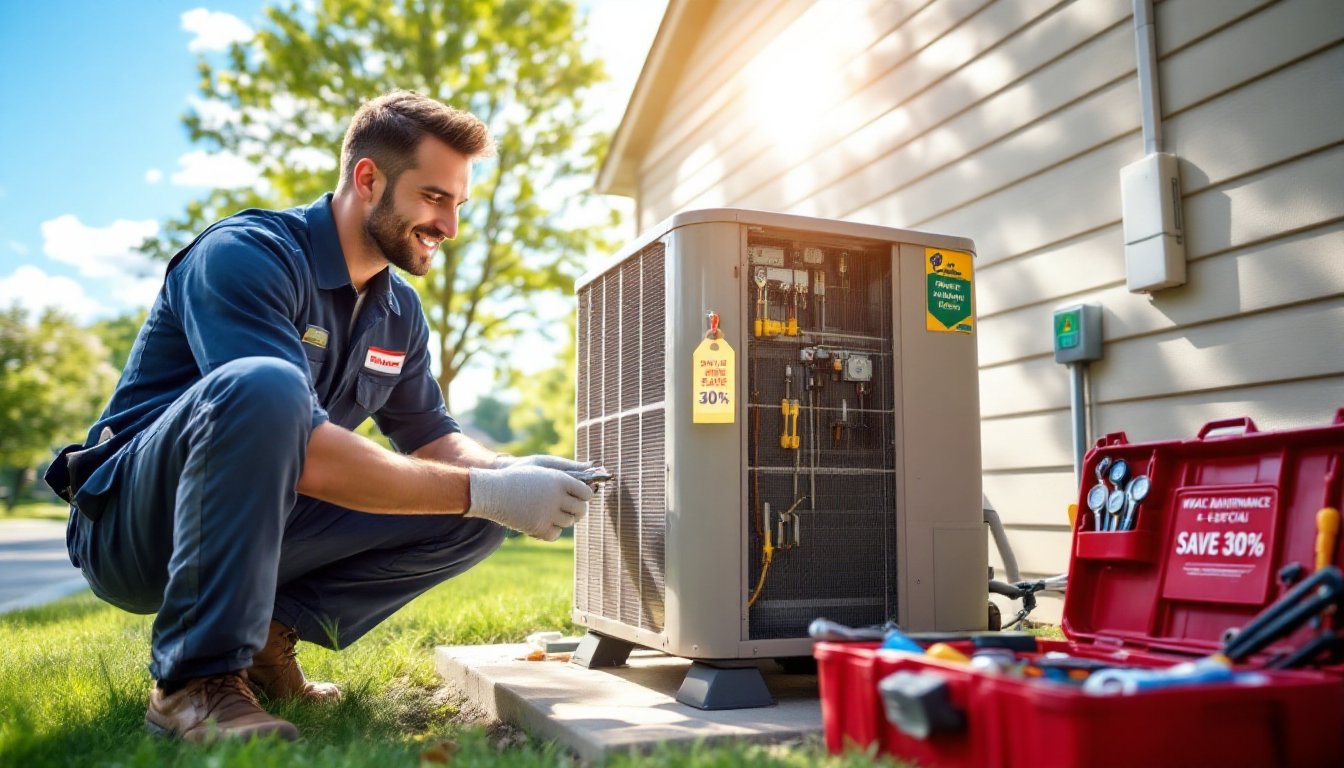
Before the first heat wave, cooling systems need a full checkup. Start by cutting power at the breaker, then remove debris from the outdoor condenser unit, leaves, pollen, and cottonwood seeds clog fins and restrict airflow. Straighten bent fins with a fin comb (available at hardware stores for under $10). Hose down coils from the inside out using gentle pressure: too much force damages delicate aluminum fins.
Check the condensate drain line. Pour a 1/4 cup of distilled white vinegar through the access port to dissolve algae buildup. A clogged drain causes water damage to ceilings and walls, especially in finished basements common in Brooklyn rowhomes. Inspect the drip pan for rust or cracks, pans typically last 10-15 years before needing replacement.
Replace or clean the air filter. Pleated filters with a MERV rating of 8-11 balance filtration and airflow for residential systems. Higher ratings restrict airflow unless the system’s designed for it. In Brooklyn’s urban environment with higher particulate levels, filters may need monthly changes during cooling season. Set the thermostat to cooling mode and verify that cold air flows from all registers. Weak airflow from specific vents often indicates duct leaks or damper issues.
Fall and Winter Prep
Heating system failures during a January cold snap aren’t just uncomfortable, they risk frozen pipes and property damage. Before temperatures drop below freezing, inspect the furnace or boiler.
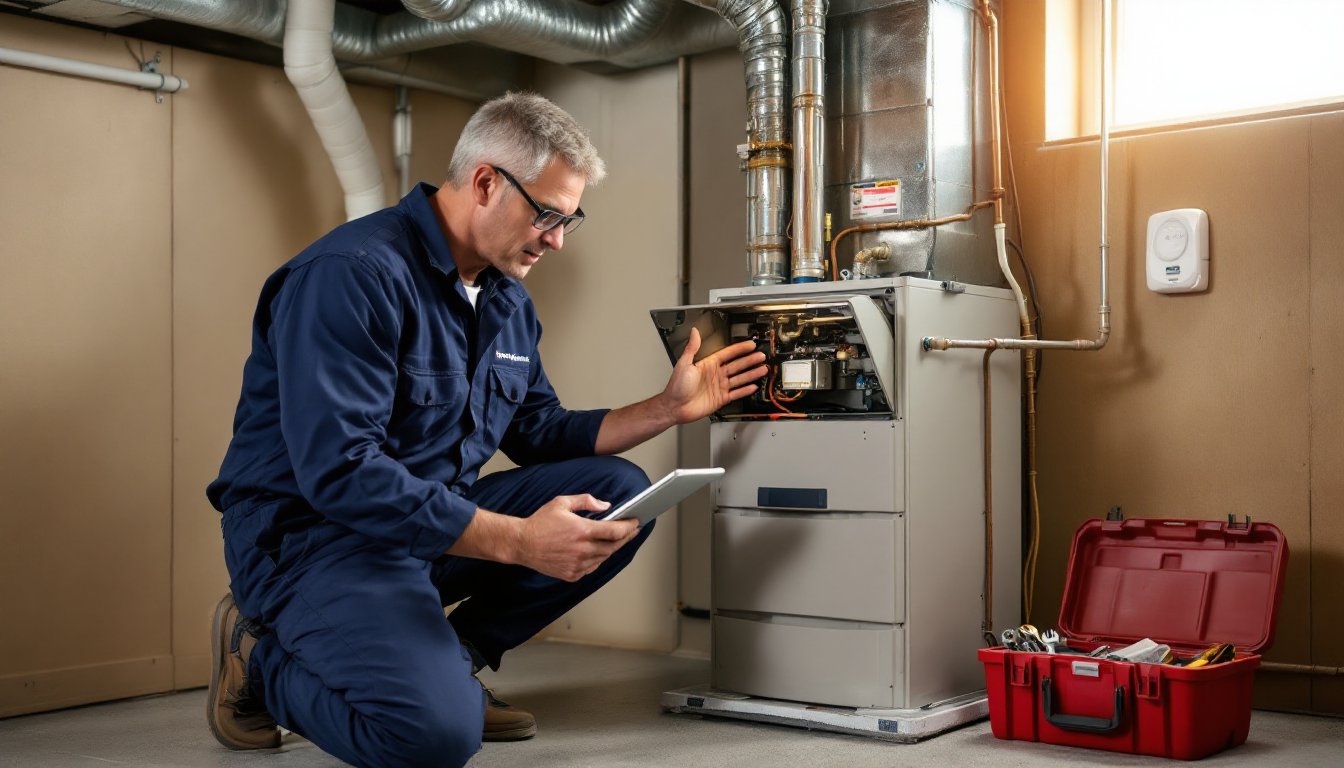
For forced-air systems, replace the filter and vacuum around the blower compartment. Dust buildup on the blower wheel reduces efficiency and creates noise. Test the ignition system by setting the thermostat 5 degrees above room temperature. The burners should ignite within seconds and burn with steady blue flames. Yellow or flickering flames indicate incomplete combustion, a carbon monoxide hazard requiring immediate professional attention.
Check flue pipes for rust, gaps, or disconnections. The flue must vent combustion gases safely outdoors. Inspect heat registers and return grilles: furniture or rugs blocking airflow force the system to cycle excessively. Baseboard heaters need their own prep: vacuum fins, bleed trapped air from hydronic systems, and confirm that zone valves operate correctly.
Many homeowners benefit from seasonal maintenance checklists that organize tasks by month. Programmable thermostats save energy when properly set, 68°F for heating, 78°F for cooling are baseline comfort temperatures that balance comfort with efficiency. Each degree of adjustment changes energy consumption by roughly 3%.
DIY HVAC Maintenance Tasks You Can Handle Yourself
Homeowners with basic tools can handle routine maintenance without professional help. These tasks don’t require specialized licenses or expensive equipment.
Monthly tasks:
- Replace or clean air filters. Mark calendar reminders, forgetting this simple step causes most efficiency losses.
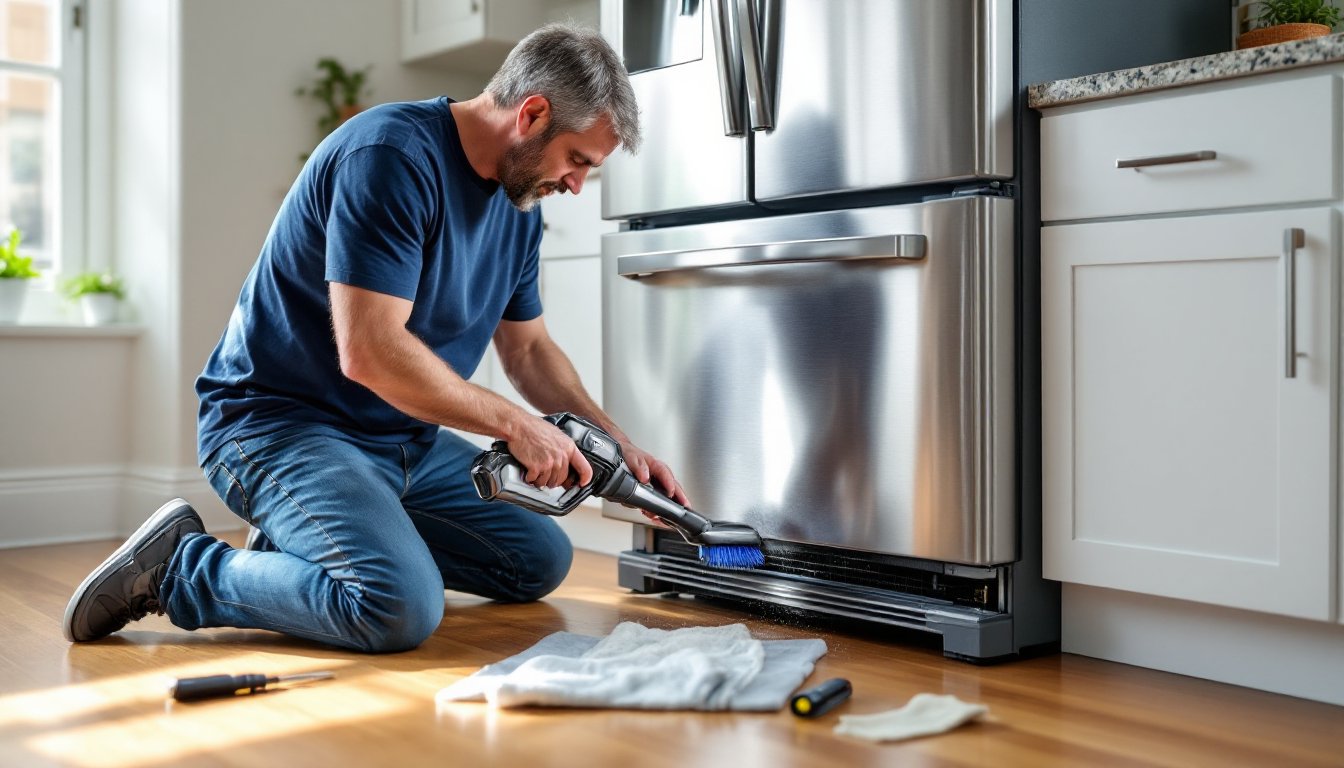
- Clear floor registers and return grilles. Pet hair and dust accumulate quickly in homes with animals.
- Check thermostat operation. Dead batteries cause erratic cycling and comfort complaints.
Quarterly tasks:
- Inspect condensate drain lines. Flush with vinegar to prevent clogs.
- Test smoke and carbon monoxide detectors. HVAC malfunctions are a leading CO source.
- Examine ductwork in accessible areas. Look for disconnected joints, torn insulation, or pest intrusions.
Twice yearly:
- Clean outdoor condenser coils. Use a garden hose: avoid pressure washers that bend fins.
- Lubricate blower motor bearings if your model has oil ports (many newer motors are sealed and maintenance-free).
- Inspect insulation on refrigerant lines. Deteriorated foam insulation reduces efficiency and causes condensation.
- Level the outdoor condenser pad. Settlement causes refrigerant flow issues and compressor wear.
Safety equipment: Wear work gloves when handling sheet metal ductwork, edges are sharp. Use safety glasses when working overhead or with cleaning solutions. Dust masks are essential when changing filters or vacuuming dusty components, especially for anyone with respiratory sensitivities.
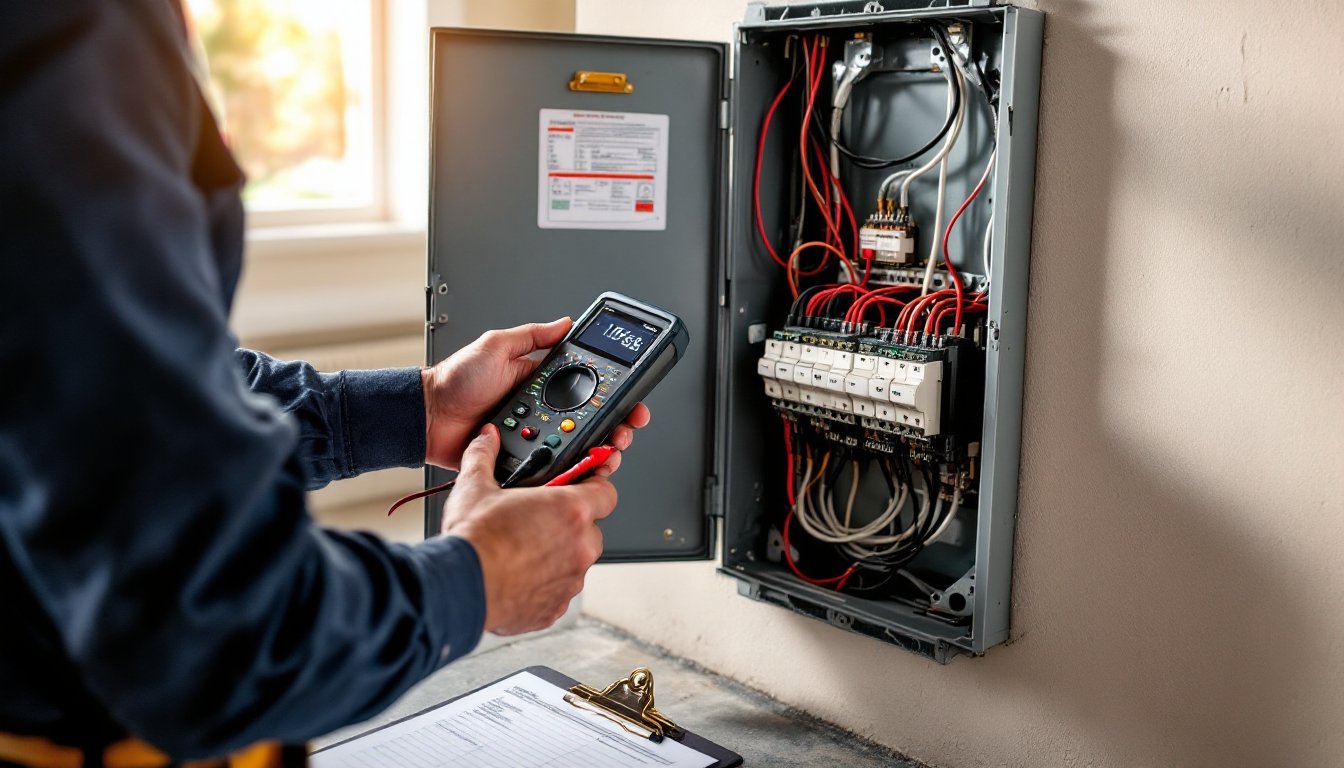
Tools needed: Most maintenance requires only a screwdriver set, adjustable wrench, garden hose with spray nozzle, shop vacuum, flashlight, and coil fin comb. A multimeter helps diagnose electrical issues, but only attempt electrical work if comfortable with basic circuitry. When in doubt, shut off power at the breaker and call a pro.
Know your limits. If accessing equipment requires removing panels held by proprietary fasteners, climbing onto the roof, or working with refrigerant lines, that’s professional territory. Refrigerant handling requires EPA certification, DIY recharging is illegal and dangerous.
When to Call a Professional HVAC Technician in Brooklyn
Some situations demand licensed expertise. Attempting complex repairs without proper training risks equipment damage, personal injury, or code violations.
Call immediately for:
- Gas odors or suspected leaks. Evacuate and call the utility company emergency line before contacting an HVAC tech.
- Carbon monoxide detector alarms. Leave the building and call 911.
- Electrical burning smells or sparking from equipment.
- Water pooling around furnaces or air handlers. This indicates drain clogs or heat exchanger cracks.
- Complete system failure during extreme temperatures, especially if vulnerable occupants are present.
Schedule professional service for:
- Annual tune-ups. Most manufacturers require documented professional maintenance to honor warranties. Technicians perform tasks beyond DIY scope: measuring refrigerant pressures, testing electrical draws, analyzing combustion efficiency, and checking safety controls.
- Refrigerant issues. Low refrigerant indicates leaks that must be repaired before recharging. Only EPA-certified technicians can legally purchase and handle refrigerants.
- Ductwork installation or modification. Proper sizing and sealing require calculations and specialized equipment.
- Thermostat upgrades to smart systems. While some are DIY-friendly, systems requiring C-wire installation or compatibility with multi-zone setups benefit from professional configuration.
- Strange noises. Grinding, squealing, or banging sounds indicate worn bearings, loose components, or failing motors.
- Short cycling. Systems that turn on and off every few minutes waste energy and indicate oversizing, thermostat problems, or refrigerant issues.
Brooklyn has numerous qualified contractors, but vetting matters. Verify that technicians hold NYC refrigeration operating licenses (required for work on sealed refrigeration systems) and appropriate liability insurance. When comparing heating and air conditioning professionals, request itemized estimates that break down labor and parts.
Typical professional maintenance costs range from $100-200 for a tune-up, though prices vary by system type and company. Some contractors offer maintenance agreements that bundle two annual visits at a discount and include priority scheduling during peak seasons. Using contractor matching services helps compare multiple quotes, but always verify licensing independently through the NYC Department of Buildings website.
Permits are required for equipment replacement, new installations, or modifications to gas lines. Licensed contractors pull permits as part of their service, if someone offers to skip permitting to save money, walk away. Unpermitted work creates liability issues and complicates future home sales.
Conclusion
Brooklyn’s demanding climate makes HVAC maintenance a year-round priority, not an afterthought. Homeowners who commit to regular filter changes, seasonal inspections, and timely professional service avoid emergency breakdowns and extend equipment life by years. The investment in maintenance, whether DIY time or professional service costs, pays back through lower utility bills, fewer repairs, and reliable comfort when it matters most.