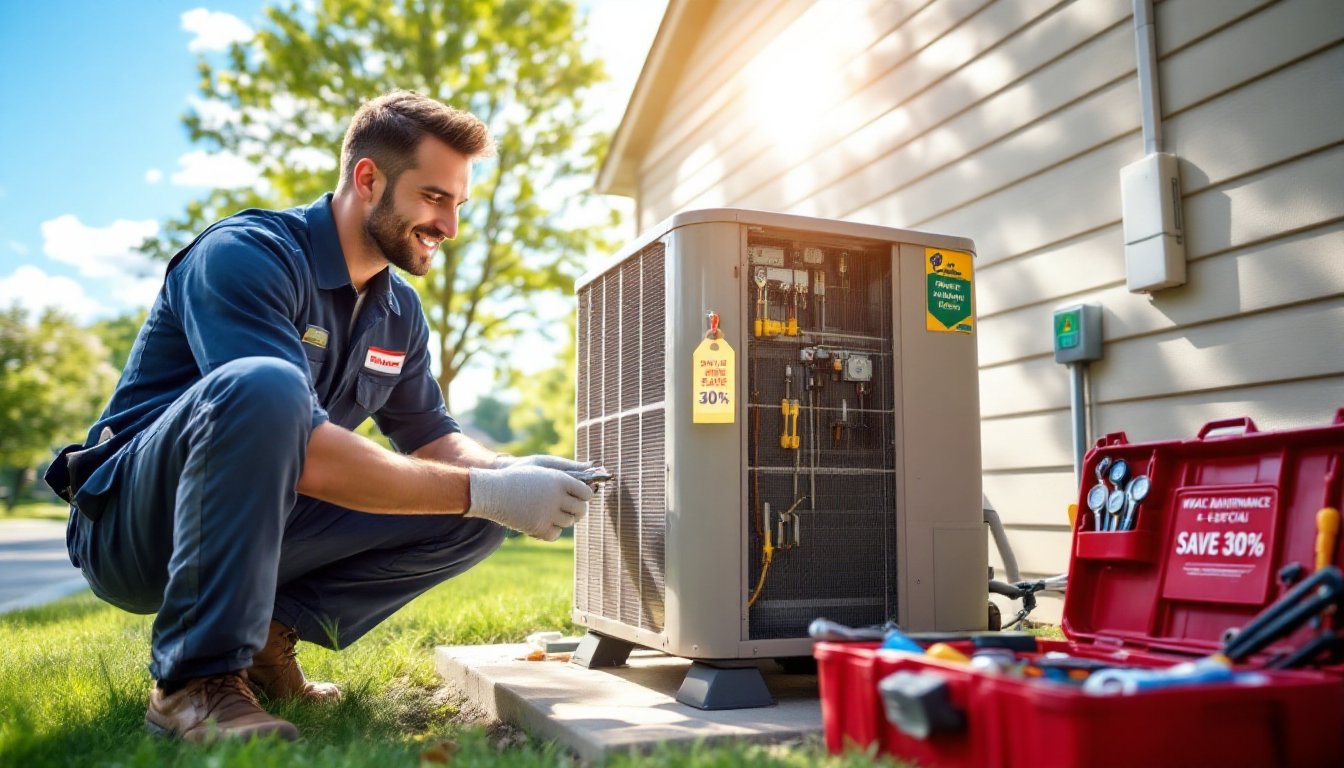
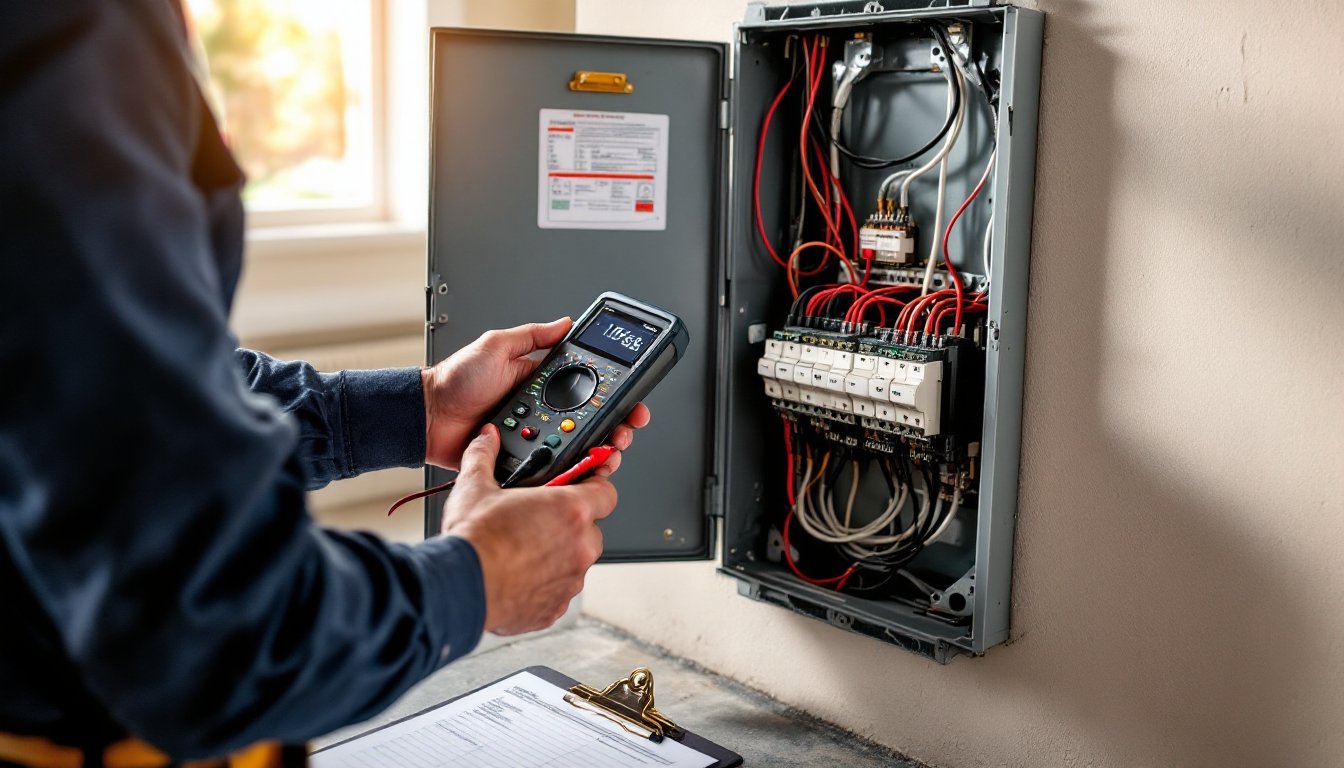
A well-structured maintenance checklists guide can transform how organizations handle equipment upkeep, facility management, and operational efficiency. Maintenance checklists serve as step-by-step tools that ensure no critical task gets overlooked. They reduce human error, improve safety compliance, and extend the lifespan of valuable assets.
Whether managing a manufacturing plant, commercial building, or fleet of vehicles, maintenance checklists provide a clear framework for routine inspections. This guide covers everything from basic definitions to practical creation steps. Readers will learn the different types of maintenance checklists, their key benefits, and proven strategies for successful implementation.
Table of Contents
ToggleKey Takeaways
- A maintenance checklists guide helps organizations standardize equipment upkeep, reduce human error, and extend asset lifespan.
- Effective maintenance checklists include task descriptions, inspection points, frequency indicators, and sign-off sections for accountability.
- Different checklist types—preventive, predictive, corrective, and inspection—serve specific maintenance strategies and operational needs.
- Create better checklists by combining manufacturer recommendations with insights from experienced technicians who work on equipment daily.
- Successful implementation requires user training, easy accessibility, regular updates, and integration with maintenance management software.
- Tracking checklist completion rates helps managers identify training gaps and scheduling issues before they impact operations.
What Is a Maintenance Checklist?
A maintenance checklist is a structured document that outlines specific tasks required to inspect, service, or repair equipment and facilities. It provides technicians with a clear sequence of actions to complete during each maintenance session.
These checklists typically include:
- Task descriptions: Clear explanations of what needs to be done
- Inspection points: Specific components or areas to examine
- Frequency indicators: How often each task should be performed
- Sign-off sections: Spaces for technicians to confirm completion
- Notes fields: Areas to document observations or issues
Maintenance checklists function as standardized guides that keep maintenance activities consistent across shifts, teams, and locations. They eliminate guesswork and ensure that every technician follows the same procedures regardless of experience level.
Organizations use maintenance checklists for everything from HVAC systems and electrical panels to production machinery and vehicle fleets. The format can range from simple paper forms to digital templates within computerized maintenance management systems (CMMS).
Benefits of Using Maintenance Checklists
Maintenance checklists deliver measurable advantages across multiple operational areas. Here are the primary benefits organizations experience:
Reduced Equipment Downtime
Regular inspections catch small problems before they become major failures. A maintenance checklist ensures technicians examine critical components on schedule. This proactive approach prevents unexpected breakdowns that halt production.
Improved Safety Compliance
Maintenance checklists help organizations meet OSHA requirements and industry regulations. Documented inspections create an audit trail that demonstrates compliance. Workers also benefit from equipment that operates within safe parameters.
Extended Asset Lifespan
Consistent maintenance prolongs the useful life of machinery and infrastructure. Following a maintenance checklist means equipment receives proper lubrication, filter changes, and calibration. These routine tasks prevent premature wear and costly replacements.
Standardized Procedures
Maintenance checklists eliminate variation between technicians. New team members can perform tasks correctly by following documented steps. This consistency improves quality and reduces errors caused by forgotten steps.
Better Resource Planning
Organizations can forecast parts, labor, and budget needs more accurately with maintenance checklists. Historical data from completed checklists reveals patterns in equipment behavior and maintenance costs.
Types of Maintenance Checklists
Different maintenance strategies require different checklist formats. Understanding these types helps organizations select the right approach for their needs.
Preventive Maintenance Checklists
These checklists schedule routine tasks at fixed intervals, daily, weekly, monthly, or annually. Preventive maintenance checklists focus on keeping equipment in optimal condition before problems occur. Common examples include oil changes, belt inspections, and filter replacements.
Predictive Maintenance Checklists
Predictive checklists incorporate condition-monitoring data. Technicians check vibration levels, temperature readings, and other indicators that signal potential failures. These maintenance checklists help organizations service equipment based on actual condition rather than arbitrary schedules.
Corrective Maintenance Checklists
When equipment breaks down, corrective maintenance checklists guide the repair process. They outline diagnostic steps, common fixes, and verification procedures. Having a standardized approach speeds up repairs and ensures thorough resolution.
Inspection Checklists
Some maintenance checklists focus purely on visual and functional inspections. These identify issues for later action rather than including repair tasks. Building inspections, safety audits, and pre-shift equipment checks often use this format.
Equipment-Specific Checklists
Many organizations create maintenance checklists for individual assets. A checklist for an air compressor differs significantly from one designed for a conveyor system. Equipment-specific checklists address the unique requirements of each machine.
How to Create an Effective Maintenance Checklist
Building a useful maintenance checklist requires careful planning and input from multiple sources. Follow these steps to create checklists that technicians will actually use.
Step 1: Identify the Equipment or System
Start by defining exactly what the maintenance checklist covers. Include the equipment name, model number, location, and any relevant identification codes. Specificity prevents confusion when multiple similar assets exist.
Step 2: Gather Manufacturer Recommendations
Equipment manuals contain valuable maintenance specifications. Review these documents for recommended service intervals, lubrication points, and inspection criteria. Manufacturer guidelines form the foundation of effective maintenance checklists.
Step 3: Consult Experienced Technicians
The people who work on equipment daily possess practical knowledge that manuals don’t capture. Ask technicians about common failure points, warning signs they watch for, and tasks they consider essential. Their input makes maintenance checklists more practical.
Step 4: List Tasks in Logical Order
Arrange checklist items in the sequence technicians would naturally perform them. Group related tasks together. A logical flow reduces time spent moving between areas and ensures nothing gets skipped.
Step 5: Add Clear Instructions
Each task should include enough detail for any qualified technician to complete it correctly. Specify acceptable ranges, torque values, fluid levels, and other measurable criteria. Vague instructions like “check belts” leave too much to interpretation.
Step 6: Include Safety Reminders
Maintenance checklists should note required lockout/tagout procedures, personal protective equipment, and potential hazards. Safety information at the task level reinforces proper practices.
Best Practices for Implementation
Creating maintenance checklists represents only half the challenge. Successful implementation requires organizational commitment and ongoing refinement.
Train All Users
Technicians need to understand both the content and purpose of maintenance checklists. Training sessions should cover how to complete each section, where to find checklists, and why consistent use matters. Buy-in improves when workers see checklists as helpful tools rather than bureaucratic burdens.
Make Checklists Accessible
Maintenance checklists must be available where work happens. Digital solutions on tablets or smartphones provide instant access. Paper-based systems need organized storage near equipment locations. Difficult-to-find checklists don’t get used.
Review and Update Regularly
Equipment ages, manufacturers issue updates, and technicians discover better methods. Schedule quarterly reviews of all maintenance checklists to incorporate improvements. Outdated checklists lose credibility and effectiveness.
Track Completion Rates
Monitor which maintenance checklists get completed on schedule and which fall behind. Low completion rates may indicate training gaps, scheduling conflicts, or checklist design problems. Data helps managers address issues early.
Integrate with Maintenance Software
CMMS platforms can automate checklist distribution, track completion, and store historical records. Digital maintenance checklists also enable real-time reporting and easier analysis of maintenance trends.