Maintenance checklists examples help teams prevent costly breakdowns and keep operations running smoothly. Whether managing a commercial building, a fleet of trucks, or factory equipment, a well-designed checklist ensures nothing gets overlooked. This guide provides ready-to-use maintenance checklist templates across multiple industries. Readers will find practical examples they can adapt to their specific needs, plus tips for creating effective checklists from scratch.
Table of Contents
ToggleKey Takeaways
- Maintenance checklists examples help teams prevent costly breakdowns by ensuring no inspection or routine task gets overlooked.
- Effective checklists include inspection items, routine tasks, safety checks, and documentation fields for accountability.
- Preventive maintenance programs using checklists can reduce equipment failures by up to 25%.
- Facility, fleet, and equipment maintenance checklists should match manufacturer recommendations and be scheduled based on usage patterns.
- Create effective maintenance checklists by consulting your team, organizing tasks logically, and refining based on real-world feedback.
- Digital maintenance checklists offer advantages like automatic reminders, completion tracking, and data analysis over time.
What Is a Maintenance Checklist?
A maintenance checklist is a structured document that lists all tasks required to keep an asset in good working condition. It serves as a step-by-step guide for technicians, facility managers, and operators.
Maintenance checklists examples typically include:
- Inspection items – Visual checks for wear, damage, or leaks
- Routine tasks – Lubrication, cleaning, filter replacement
- Safety checks – Testing alarms, emergency equipment, guards
- Documentation fields – Date, technician name, notes on findings
These checklists reduce human error. They ensure consistency across shifts and team members. A technician using a maintenance checklist will complete the same steps every time, regardless of experience level.
Organizations use maintenance checklists for preventive maintenance programs. According to industry data, preventive maintenance can reduce equipment failures by up to 25%. The checklist acts as the backbone of this strategy.
Maintenance checklists also create accountability. When someone signs off on a completed checklist, there’s a clear record of who did what and when. This documentation proves valuable during audits, warranty claims, or incident investigations.
Facility Maintenance Checklist Example
Facility maintenance checklists cover building systems, safety equipment, and common areas. Property managers and maintenance teams use them to keep commercial and residential buildings safe and functional.
Here’s a practical facility maintenance checklist example:
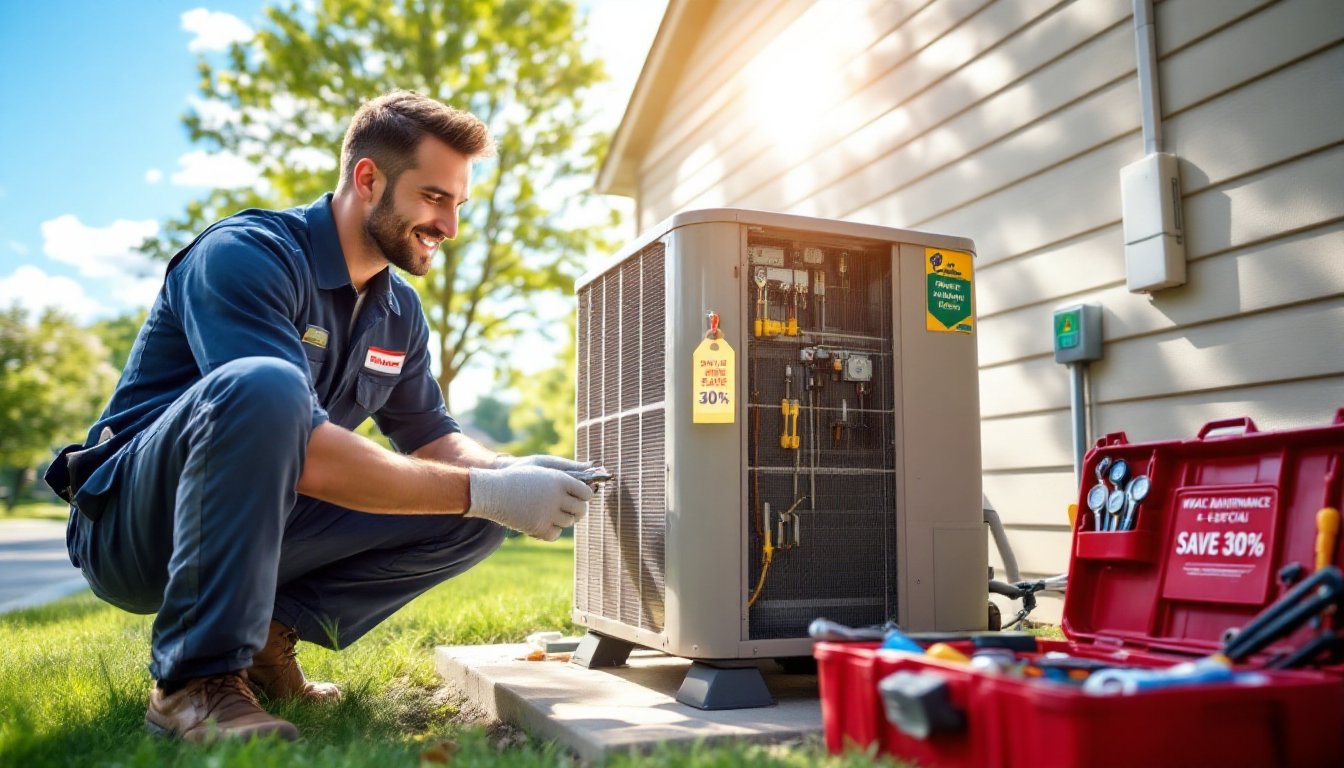
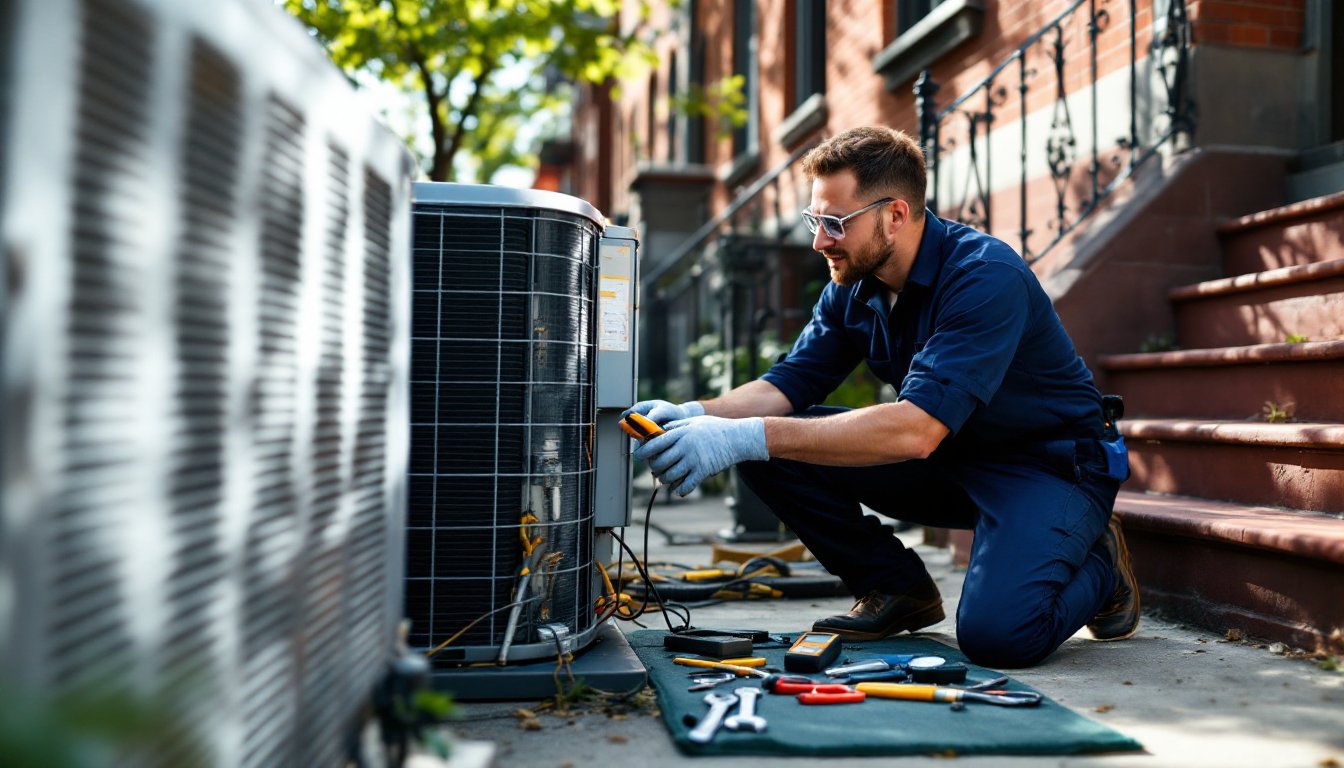
HVAC System
- Inspect air filters and replace if dirty
- Check thermostat calibration
- Clean condenser coils
- Test heating and cooling cycles
- Inspect ductwork for leaks
Plumbing
- Check for leaks under sinks and around toilets
- Test water pressure at multiple fixtures
- Inspect water heater for corrosion
- Clear slow drains
- Verify sump pump operation
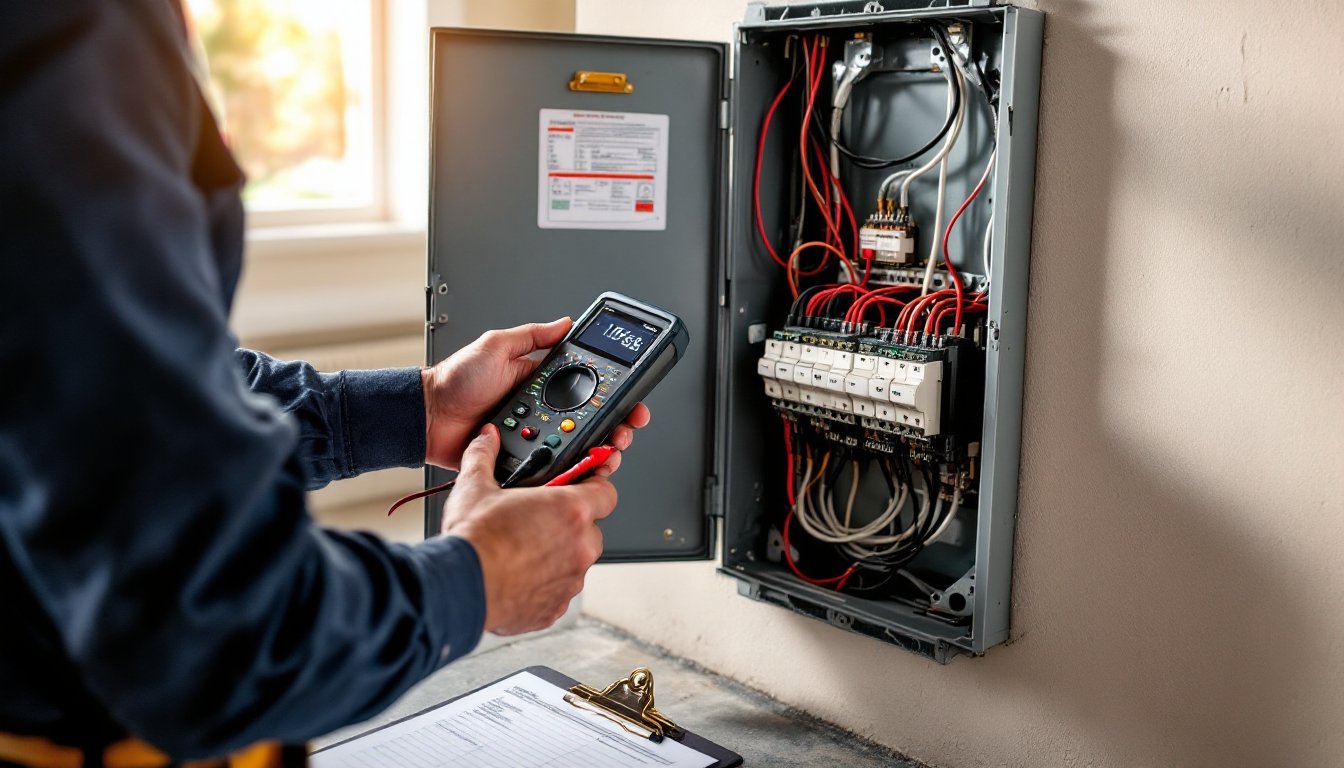
Electrical Systems
- Test GFCI outlets
- Inspect electrical panels for signs of overheating
- Replace burned-out bulbs
- Check emergency lighting batteries
- Verify exit signs function properly
Safety Equipment
- Test fire alarms and sprinkler systems
- Inspect fire extinguishers (check pressure gauge)
- Verify emergency exit doors open freely
- Check carbon monoxide detectors
Exterior and Grounds
- Inspect roof for damage or debris
- Clean gutters and downspouts
- Check parking lot lighting
- Look for cracks in walkways or pavement
Facility managers should schedule these maintenance checklists examples monthly or quarterly, depending on the item. HVAC filters might need monthly attention, while roof inspections can happen seasonally.
Vehicle and Fleet Maintenance Checklist Example
Fleet managers rely on vehicle maintenance checklists to keep trucks, vans, and cars road-ready. Regular inspections prevent breakdowns and extend vehicle lifespan.
This maintenance checklist example works for most commercial vehicles:
Daily Pre-Trip Inspection
- Check tire pressure and tread depth
- Inspect all lights (headlights, brake lights, turn signals)
- Test horn and wipers
- Check fluid levels (oil, coolant, windshield washer)
- Look for leaks under the vehicle
- Verify mirrors are clean and adjusted
- Test brakes before leaving the lot
Weekly Checks
- Inspect belts and hoses for wear
- Check battery terminals for corrosion
- Test all door locks and latches
- Inspect windshield for chips or cracks
- Verify spare tire condition
Monthly Maintenance
- Rotate tires (or per manufacturer schedule)
- Check air filter condition
- Inspect brake pads and rotors
- Test emergency equipment (flares, first aid kit)
- Review mileage and schedule upcoming service
Fleet maintenance checklists examples should include mileage tracking. Many service intervals depend on miles driven rather than calendar dates. A vehicle logging 3,000 miles monthly needs oil changes more often than one driven occasionally.
Drivers should complete pre-trip checklists before each shift. This practice catches small problems before they become expensive repairs. It also protects drivers and other motorists on the road.
Equipment Maintenance Checklist Example
Manufacturing facilities, warehouses, and construction sites depend on equipment maintenance checklists. These documents keep machinery running efficiently and safely.
Here’s an equipment maintenance checklist example for industrial machinery:
Before Each Use
- Perform visual inspection for obvious damage
- Check safety guards are in place
- Verify emergency stop buttons work
- Listen for unusual sounds during startup
- Confirm all operators have proper training
Weekly Maintenance Tasks
- Lubricate moving parts per manufacturer specs
- Clean debris from vents and filters
- Inspect electrical cords and connections
- Check hydraulic fluid levels
- Tighten loose bolts or fasteners
Monthly Inspections
- Calibrate sensors and gauges
- Inspect wear parts (blades, bearings, seals)
- Test safety interlocks
- Review maintenance logs for patterns
- Schedule replacement of worn components
Quarterly or Annual Tasks
- Complete full system diagnostic
- Replace filters, belts, and consumables
- Conduct performance testing
- Update maintenance records
- Plan major overhauls if needed
Equipment maintenance checklists examples should match manufacturer recommendations. Most equipment comes with service manuals that specify maintenance intervals. Following these guidelines often preserves warranty coverage.
Digital maintenance checklists offer advantages over paper. Teams can track completion rates, set automatic reminders, and analyze maintenance data over time.
How to Create an Effective Maintenance Checklist
Creating maintenance checklists examples that actually work requires planning. A checklist that’s too long gets ignored. One that’s too short misses critical tasks.
Follow these steps to build effective maintenance checklists:
Step 1: Identify the Asset
Start with a specific piece of equipment, vehicle, or facility area. Don’t try to create one checklist for everything. A maintenance checklist for an HVAC system looks very different from one for a forklift.
Step 2: Gather Manufacturer Documentation
Pull service manuals, warranty requirements, and recommended maintenance schedules. These documents tell you exactly what tasks need attention and how often.
Step 3: Consult Your Maintenance Team
Technicians know which problems occur most frequently. They can identify items that should appear on every checklist. Their input makes the final document practical and useful.
Step 4: Organize Tasks Logically
Group related items together. Arrange tasks in the order they should be performed. This structure saves time and reduces the chance of skipping steps.
Step 5: Add Clear Instructions
Each checklist item should tell the user exactly what to do. “Check oil” is vague. “Check engine oil level using dipstick, add if below minimum line” gives clear direction.
Step 6: Include Documentation Fields
Add spaces for date, technician name, time spent, and notes. This information creates an audit trail and helps identify recurring issues.
Step 7: Test and Refine
Use the checklist for several maintenance cycles. Ask technicians for feedback. Remove unnecessary items and add anything that’s missing. Maintenance checklists examples improve with real-world use.