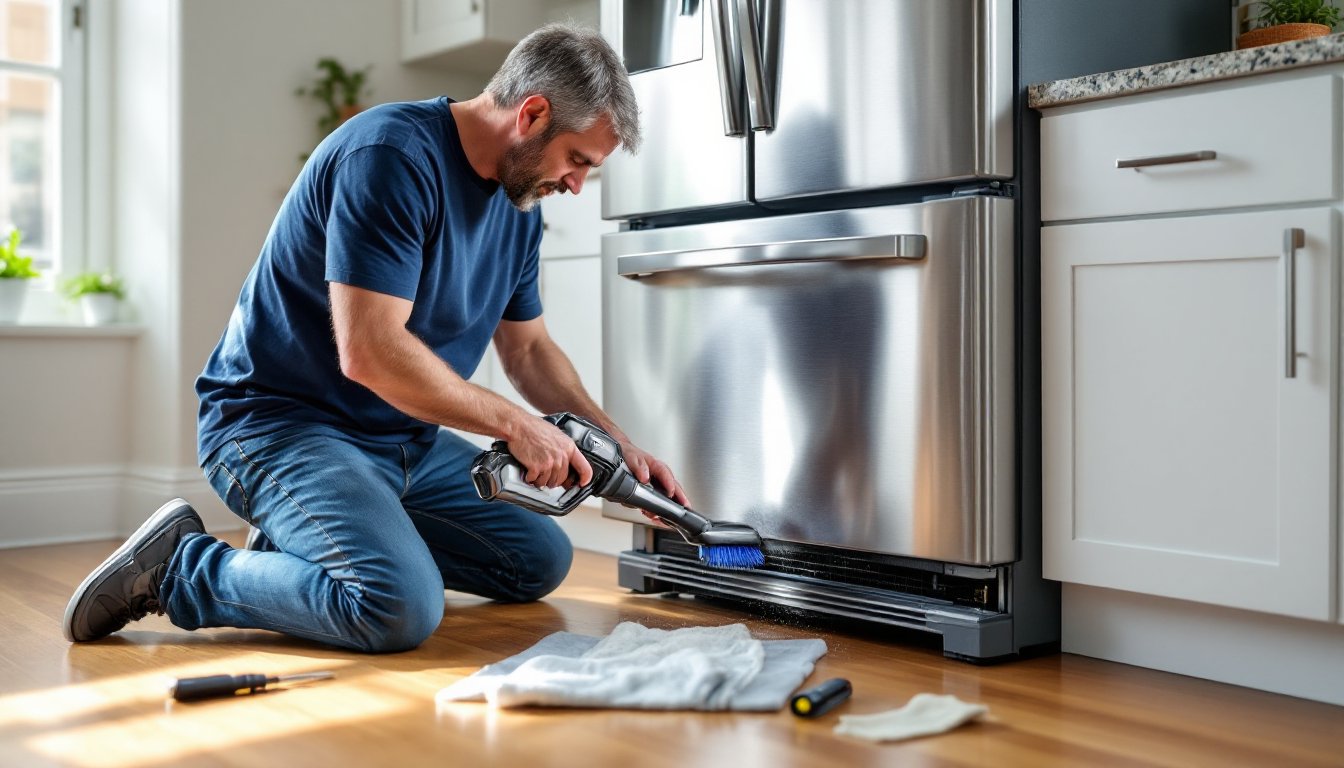
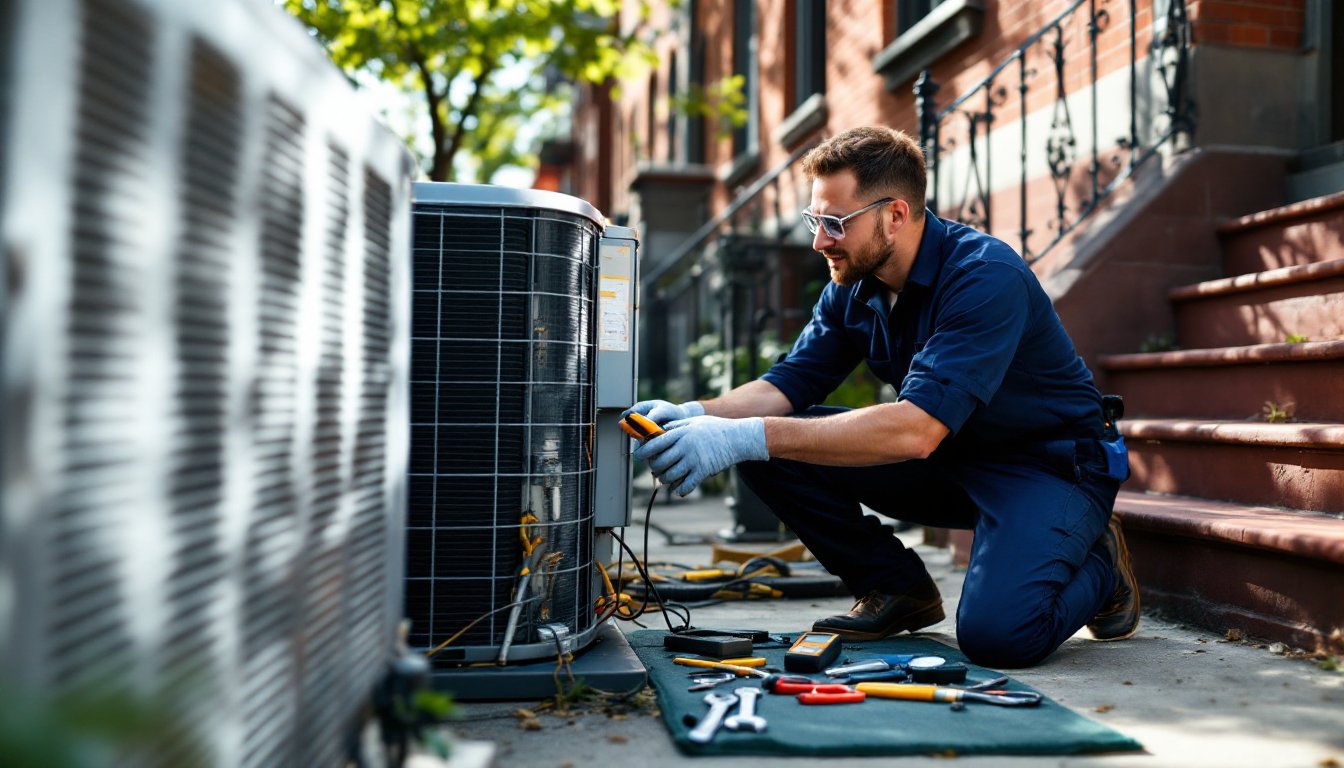
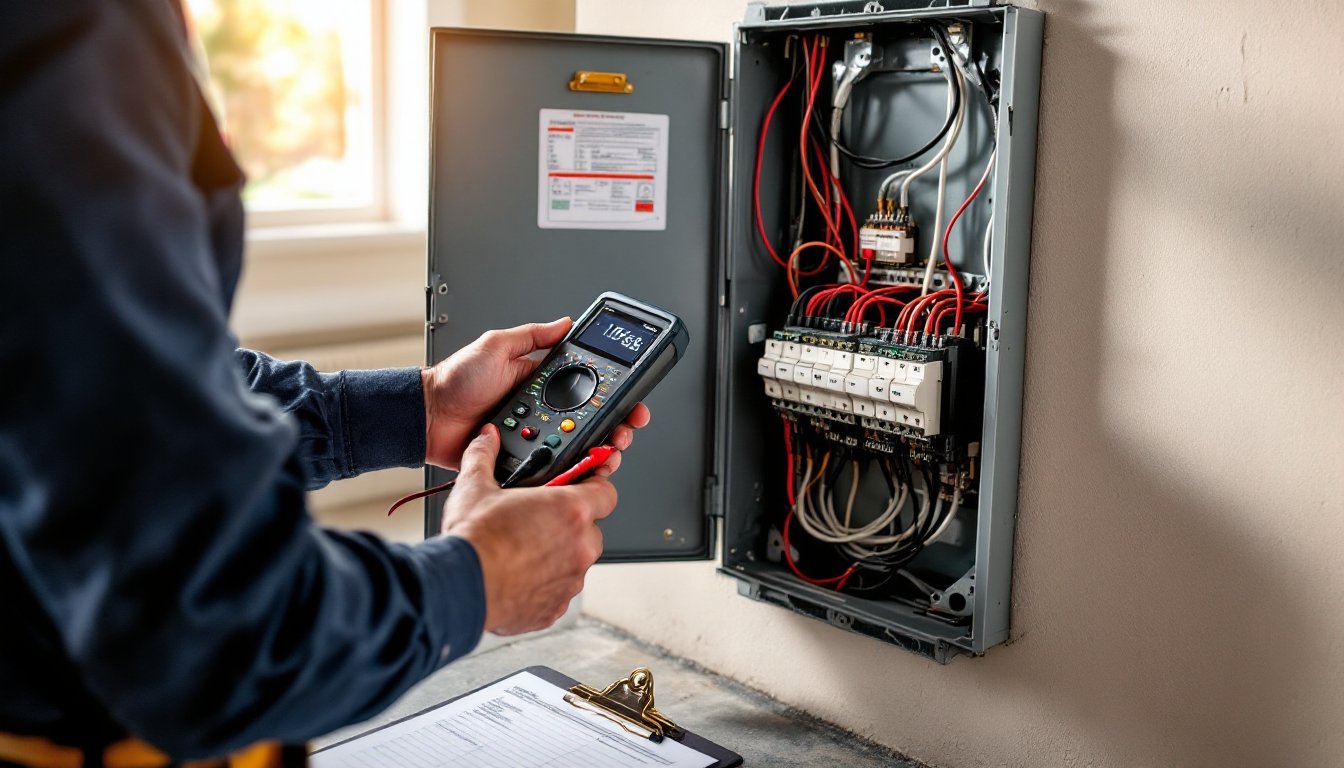
Maintenance checklists prevent costly breakdowns and keep operations running smoothly. They turn complex upkeep tasks into simple, repeatable steps that anyone can follow. Whether managing a fleet of vehicles, maintaining industrial equipment, or overseeing facility operations, a well-designed maintenance checklist saves time, reduces errors, and extends asset lifespan.
This guide covers how to create maintenance checklists that actually work. It explains the key components, walks through a step-by-step building process, and shares best practices to maximize results. Organizations that use structured maintenance checklists report fewer equipment failures and lower repair costs. Here’s how to build one that delivers those benefits.
Table of Contents
ToggleKey Takeaways
- Maintenance checklists reduce costly unplanned breakdowns by shifting teams from reactive repairs to proactive prevention.
- Effective maintenance checklists include clear asset information, specific task descriptions, frequency schedules, and safety requirements.
- Consult technicians who work with equipment daily when building your maintenance checklist to capture practical, real-world knowledge.
- Organize checklist tasks by frequency (daily, weekly, monthly, annual) to make them easy to follow and complete.
- Review and update maintenance checklists at least annually to reflect equipment changes and emerging failure modes.
- Track completion rates and analyze data from checklists to continuously improve your maintenance strategy.
Why Maintenance Checklists Matter
Equipment fails. That’s a fact. But unplanned failures cost 3 to 9 times more than scheduled maintenance, according to industry research. Maintenance checklists shift teams from reactive repairs to proactive prevention.
A maintenance checklist creates consistency. When technicians follow the same steps every time, they catch problems early. They don’t skip critical inspections because they forgot or felt rushed. The checklist holds everyone accountable to the same standard.
These documents also preserve institutional knowledge. When an experienced technician retires, their expertise doesn’t walk out the door. It lives in the maintenance checklist, ready for the next person to use.
Safety improves too. Equipment that receives regular, documented maintenance is less likely to malfunction in dangerous ways. OSHA recognizes proper maintenance programs as essential to workplace safety. A maintenance checklist provides proof that inspections happened and standards were met.
Finally, maintenance checklists support compliance. Many industries require documented maintenance records. A checklist creates an automatic paper trail that satisfies auditors and protects organizations during inspections.
Key Components of a Maintenance Checklist
Every effective maintenance checklist includes several core elements. Missing any of these weakens the entire document.
Asset Information
Start with clear identification. Include the equipment name, model number, serial number, and location. Technicians should never wonder which machine they’re inspecting.
Task Descriptions
List each maintenance task in specific terms. “Check oil” is vague. “Check oil level using dipstick: add SAE 30 if below minimum line” is actionable. Good maintenance checklists remove guesswork.
Frequency and Schedule
Specify when each task should happen. Some items need daily attention. Others are weekly, monthly, or annual. The maintenance checklist should indicate timing for every task.
Responsible Party
Assign ownership. Who performs this inspection? Who signs off? Accountability prevents tasks from falling through cracks.
Completion Fields
Provide space for dates, initials, and notes. Technicians need room to document what they found and what they did. These records become valuable historical data.
Safety Requirements
Include required PPE, lockout/tagout procedures, and any hazard warnings. Safety information belongs on the maintenance checklist itself, not in a separate manual.
Steps to Build Your Own Maintenance Checklist
Building an effective maintenance checklist takes planning. Follow these steps to create one that works.
Step 1: Identify the Asset
Select the equipment or system that needs a maintenance checklist. Gather manufacturer documentation, previous maintenance records, and any existing procedures.
Step 2: Consult the Experts
Talk to technicians who work with this equipment daily. They know which parts fail first, which inspections matter most, and what the manufacturer’s manual misses. Their input makes maintenance checklists practical rather than theoretical.
Step 3: List All Maintenance Tasks
Write down every task the equipment requires. Include inspections, adjustments, cleaning, lubrication, part replacements, and calibrations. Don’t edit yet, capture everything first.
Step 4: Organize by Frequency
Group tasks by how often they occur. Daily tasks go together. Weekly, monthly, quarterly, and annual tasks each get their own sections. This organization makes the maintenance checklist easy to follow.
Step 5: Write Clear Instructions
Convert each task into a specific action. Use active verbs. Include measurements, tolerances, and acceptable ranges. A technician reading the maintenance checklist should know exactly what to do and what counts as “good.”
Step 6: Add Safety Information
Insert safety requirements where relevant. If a task requires de-energizing equipment, say so before the task description, not after.
Step 7: Test and Refine
Have technicians use the maintenance checklist on actual equipment. Collect feedback. Did they understand every instruction? Did they have the tools they needed? Revise based on real-world experience.
Best Practices for Using Maintenance Checklists
Creating a maintenance checklist is half the battle. Using it effectively requires discipline and smart habits.
Make checklists accessible. Store maintenance checklists where technicians can grab them quickly, whether that’s a clipboard near the equipment, a mobile app, or a digital system. If the checklist is hard to find, people won’t use it.
Train the team. Don’t assume everyone knows how to use a maintenance checklist properly. Walk through each section. Explain why tasks matter. Technicians who understand the purpose complete inspections more thoroughly.
Review checklists regularly. Equipment changes. Parts wear differently than expected. New failure modes emerge. Update maintenance checklists at least annually, or whenever significant issues arise.
Track completion rates. Monitor whether maintenance checklists actually get completed on schedule. Low completion rates signal problems, maybe the checklist is too long, the schedule is unrealistic, or staff need more training.
Use data for improvement. Maintenance checklists generate useful information. Which components fail most often? Which inspections catch problems before breakdowns? Analyze this data to improve future maintenance strategies.
Common Mistakes to Avoid
Even well-intentioned maintenance checklists fail when teams make these errors.
Being too vague. Instructions like “inspect belt” don’t help. Inspect for what? Cracks? Tension? Alignment? Vague tasks lead to inconsistent results.
Making checklists too long. A 50-item daily maintenance checklist won’t get completed. Technicians will rush through it or skip items. Keep daily checklists short. Move less critical tasks to weekly or monthly schedules.
Ignoring manufacturer recommendations. Equipment makers know their products. Their maintenance guidelines should form the foundation of any maintenance checklist. Skipping manufacturer requirements can void warranties and cause preventable failures.
Failing to update. A maintenance checklist created five years ago may not reflect current equipment conditions or updated safety standards. Outdated checklists create liability and miss emerging problems.
Treating completion as the goal. The point isn’t checking boxes. It’s preventing failures and ensuring safety. If technicians rush through a maintenance checklist just to finish, the entire exercise loses value. Culture matters as much as the document itself.