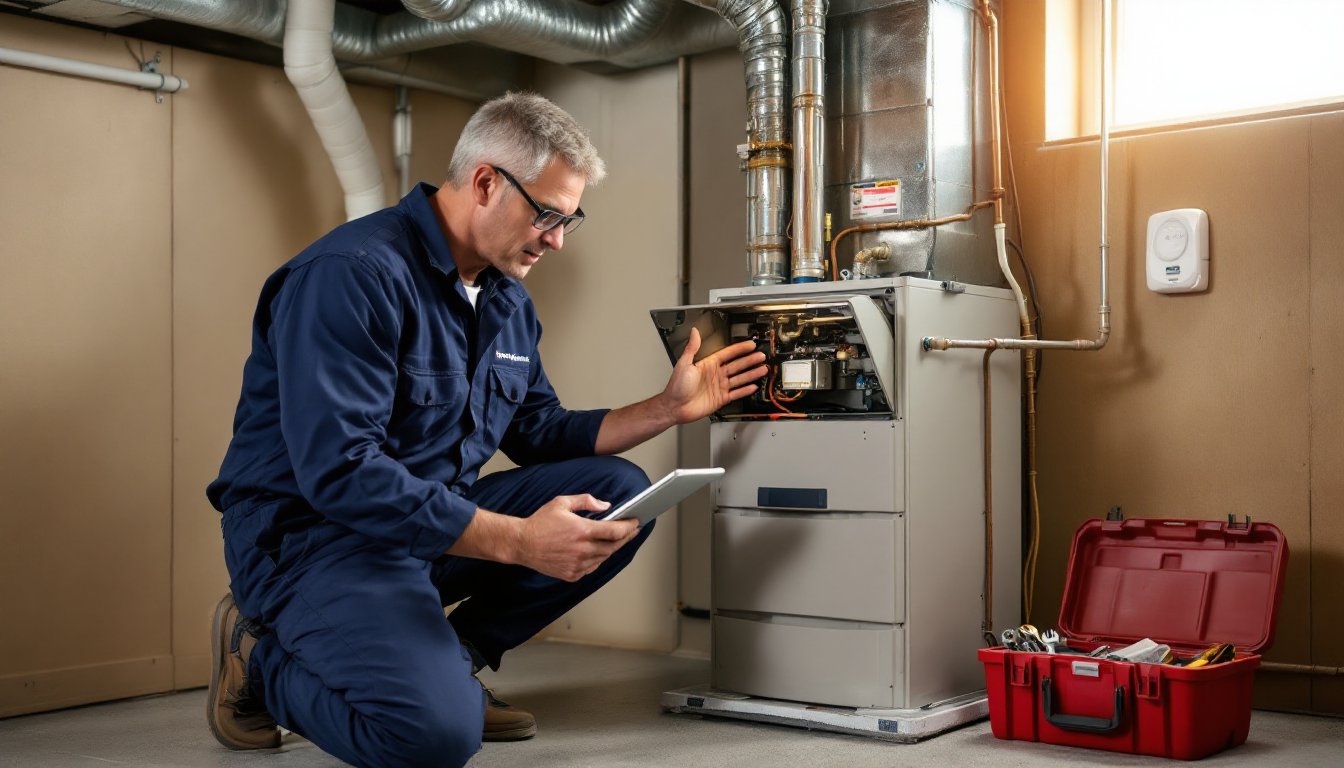
Your furnace quits on the coldest night of the year. Your AC dies during a July heat wave. The repair bill? Somewhere between “ouch” and “refinance the house.” Most HVAC emergencies aren’t bad luck, they’re neglect catching up. A heating and cooling system is the hardest-working piece of equipment in most homes, running thousands of hours per year in extreme conditions. Yet plenty of homeowners treat it like a cactus: ignore it until it dies. Regular maintenance isn’t just manufacturer recommendation filler. It’s the difference between a system that lasts 10 years and one that makes it to 20.
Table of Contents
ToggleKey Takeaways
- Regular HVAC maintenance extends system lifespan from 10 to 20 years and prevents costly replacements running $5,000–$12,000.
- Neglected HVAC systems consume 20–30% more energy due to dirty coils, clogged filters, and improper refrigerant levels, costing homeowners $75–$225 annually in excess costs.
- A single maintenance visit ($80–$150) typically pays for itself within the first year through energy savings and prevents emergency repair bills of $150–$2,500.
- Cracked heat exchangers and refrigerant leaks can pose serious health risks including carbon monoxide exposure, making professional inspections critical for safety.
- Schedule furnace maintenance in early fall and AC maintenance in early spring, or enroll in a maintenance agreement for priority scheduling and peace of mind.
What Does HVAC Maintenance Actually Include?
A proper HVAC tune-up isn’t just swapping the filter and calling it good. Professional maintenance covers both the heating and cooling sides of the system, along with ductwork, controls, and safety components.
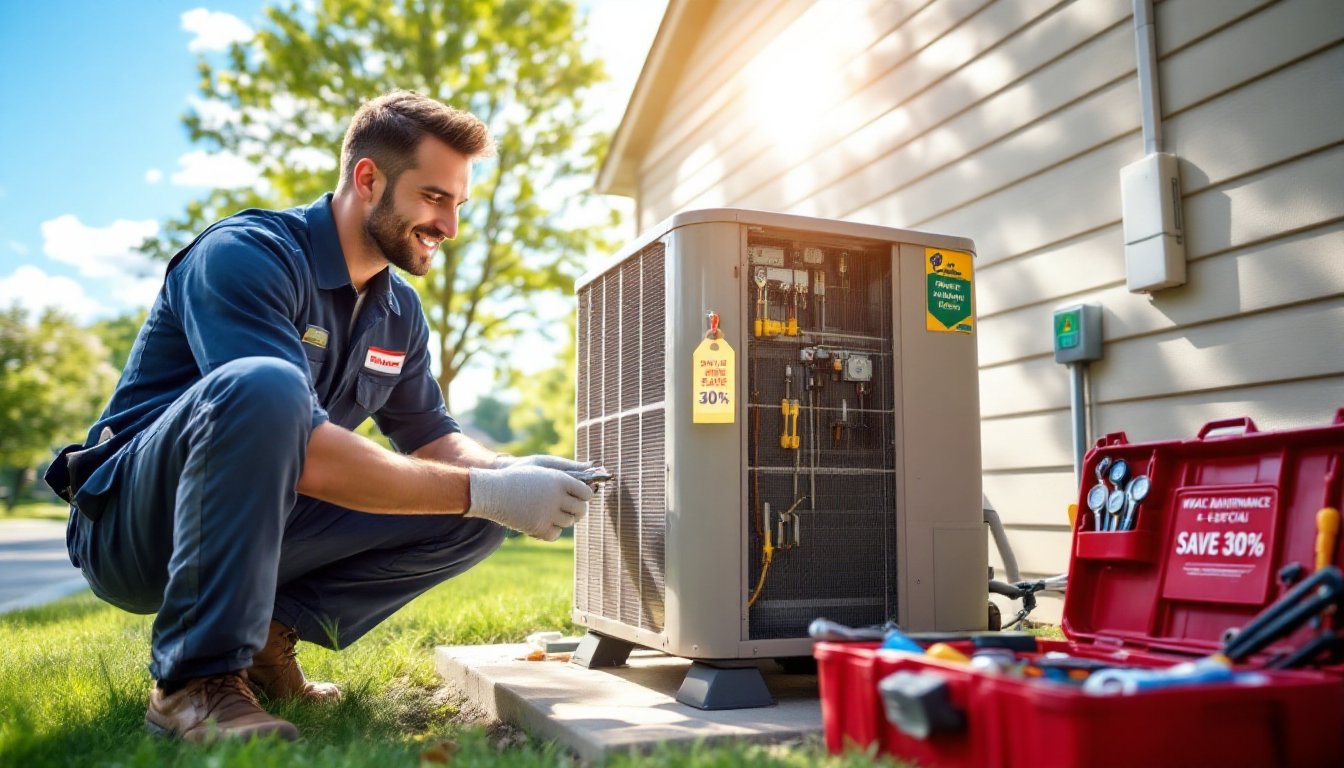
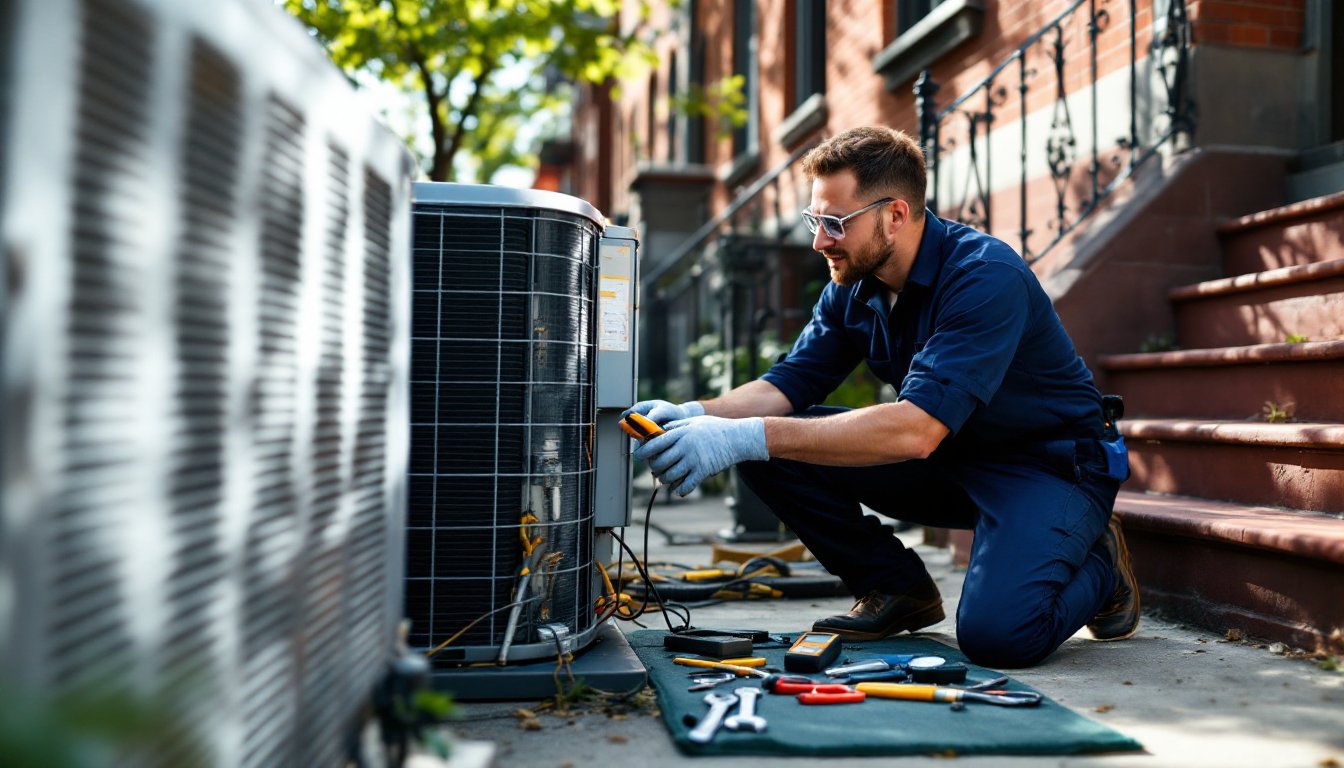
On the air conditioning side, a technician will inspect the refrigerant charge (low refrigerant means reduced cooling and higher compressor wear), clean the condenser coils (dirt acts like insulation, killing efficiency), check electrical connections, test the capacitor and contactor, and verify the condensate drain is clear. A clogged drain line can flood your utility room or damage ceilings.
For furnaces, expect inspection of the heat exchanger for cracks (a cracked exchanger can leak carbon monoxide), burner cleaning and adjustment, blower motor lubrication if applicable, flame sensor cleaning, and testing of the limit switch and pressure switches. Gas furnaces also need combustion analysis to ensure proper fuel-to-air ratios.
Universal tasks include replacing or cleaning air filters, checking thermostat calibration and wiring, inspecting ductwork for leaks (duct leakage wastes 20-30% of conditioned air in many homes), and verifying proper airflow across the evaporator coil. Most pros also measure temperature split, the difference between supply and return air temps, to confirm the system is heating or cooling effectively.
A full maintenance visit typically takes 60-90 minutes per system. If a tech is in and out in 20 minutes, they’re skipping steps. Many contractors following effective maintenance checklists will provide a written report of findings, which helps track system health over time.
How Regular Maintenance Extends Your HVAC System’s Lifespan
HVAC systems aren’t cheap. A full replacement runs $5,000-$12,000 depending on size, efficiency, and ductwork modifications. Getting maximum lifespan out of the equipment is basic financial sense.
Most furnaces last 15-20 years with proper care: neglected units often fail around the 10-12 year mark. Central air conditioners average 12-15 years with maintenance, closer to 8-10 without. Heat pumps, which work year-round in many climates, see similar numbers.
The difference comes down to wear patterns. Dirty coils force the compressor to work harder, generating excess heat and shortening motor life. A clogged filter starves the blower motor and can freeze the evaporator coil, leading to compressor slugging (liquid refrigerant entering the compressor, which damages internal components). Neglected burners in a furnace run inefficiently and soot up the heat exchanger, accelerating metal fatigue and corrosion.
Lubrication matters more than most homeowners realize. Blower motors with oil ports need a few drops of electric motor oil (not WD-40 or 3-in-1) once a year. Skipping this can burn out a $200-$400 motor prematurely. Electrical connections corrode or loosen over time: a loose connection creates resistance, generates heat, and can burn out a contactor or circuit board.
Refrigerant charge is another silent killer. Systems don’t “use up” refrigerant the way a car burns gas, if it’s low, there’s a leak. Running low on charge reduces cooling capacity and makes the compressor run longer and hotter. Over months or years, this kills the compressor, the most expensive component in the system. Catching a small leak early with proper maintenance techniques and topping off refrigerant costs a few hundred dollars. Replacing a compressor or the whole condensing unit costs thousands.
The Real Cost Savings: Lower Energy Bills and Fewer Repairs
Energy Efficiency and Monthly Savings
Your HVAC system accounts for roughly 40-50% of a home’s total energy use, depending on climate and insulation. Even small efficiency losses add up fast.
A dirty air filter alone can reduce airflow by 15-20%, forcing the blower to work harder and the system to run longer cycles to reach setpoint. Dirty condenser coils can drop cooling efficiency by 20-30%. A furnace with a sooted-up heat exchanger might be running at 70% efficiency instead of its rated 95%, wasting three dollars out of every ten spent on gas.
The U.S. Department of Energy estimates that regular maintenance saves 5-15% on heating and cooling costs annually. For a household spending $1,500/year on HVAC energy, that’s $75-$225 in annual savings. A maintenance visit costs $80-$150, so it often pays for itself within the first year.
Clean systems also cycle less frequently. When a system is fighting dirty coils or a clogged filter, it runs longer to achieve the same temperature change. More runtime means more wear, higher bills, and a noisier house.
Preventing Expensive Emergency Repairs
Maintenance catches small problems before they cascade. A $12 capacitor that’s starting to bulge can be replaced during a tune-up. If it fails during a heat wave, you’re paying emergency rates, often $200-$400 for the same repair on a Sunday afternoon.
Refrigerant leaks, cracked heat exchangers, and failing blower motors rarely happen without warning. A good tech spots the early signs: a capacitor reading weak, a heat exchanger with surface rust, a blower wheel caked in dust. Addressing these during a scheduled visit costs a fraction of an emergency call.
According to data from Angi, the average HVAC repair bill runs $150-$500 for common issues like failed capacitors, contactors, or sensors. More serious failures, compressors, heat exchangers, or control boards, can hit $800-$2,500. Homeowners who maintain their systems average one service call every 2-3 years. Those who skip maintenance average one per year, often during peak-demand periods when prices are highest and availability is worst.
Warranty compliance matters too. Many manufacturers require proof of annual professional maintenance to honor parts warranties. Skipping service can void coverage, leaving you on the hook for a $1,200 compressor replacement that should’ve been covered.
Health and Safety Benefits You Can’t Ignore
HVAC systems don’t just move air, they affect what’s in that air. Neglected equipment becomes a health liability.
Dirty evaporator coils and drain pans are breeding grounds for mold and bacteria. When the blower kicks on, spores get distributed throughout the house. This is especially problematic for anyone with asthma, allergies, or compromised immune systems. A musty smell when the AC runs is often the first sign of biological growth in the system.
Clogged filters stop filtering. Once a filter is saturated with dust, additional particles bypass it entirely and settle in ductwork or get recirculated into living spaces. Homes with pets, high pollen counts, or smokers need filters changed every 30-60 days, not the 90-day interval printed on the package.
On the heating side, carbon monoxide (CO) leaks are the scariest risk. A cracked heat exchanger or damaged flue pipe can allow combustion gases to enter the air stream. CO is colorless and odorless: symptoms, headache, dizziness, nausea, mimic the flu. Severe exposure is fatal. This is why pros use combustion analyzers during furnace maintenance to measure CO levels in the flue and living space. If you have a gas furnace and no CO detector within 15 feet of the bedroom doors, install one. Period. It’s required by most residential codes and costs under $30.
Duct leakage is another hidden issue. Leaky return ducts can pull in air from attics, crawlspaces, or wall cavities, spaces often contaminated with fiberglass particles, rodent droppings, or mold. Supply leaks waste energy but don’t usually affect indoor air quality. Return leaks do both.
A well-maintained system with clean components, tight ductwork, and proper filtration contributes to genuinely healthier indoor air. According to guidance from HomeAdvisor, pairing annual HVAC service with duct cleaning every 3-5 years (if ducts are visibly dirty or contaminated) offers the best long-term air quality results.
When and How Often Should You Schedule HVAC Maintenance?
Timing matters. The worst time to discover your furnace is broken is when it’s 20°F outside and your pipes are at risk. The worst time for AC failure is mid-July when every HVAC company is booked two weeks out.
Best practice: schedule furnace maintenance in early fall, before heating season kicks off, and AC maintenance in early spring before cooling season. If you have a heat pump that runs year-round, get it serviced twice a year.
Many HVAC contractors offer maintenance agreements or service plans that bundle annual or biannual visits, priority scheduling, and discounts on repairs. These typically cost $150-$300/year and often pay for themselves in convenience alone. You’re not calling around in a panic when something breaks, you’re already in the system, and you get bumped to the front of the line.
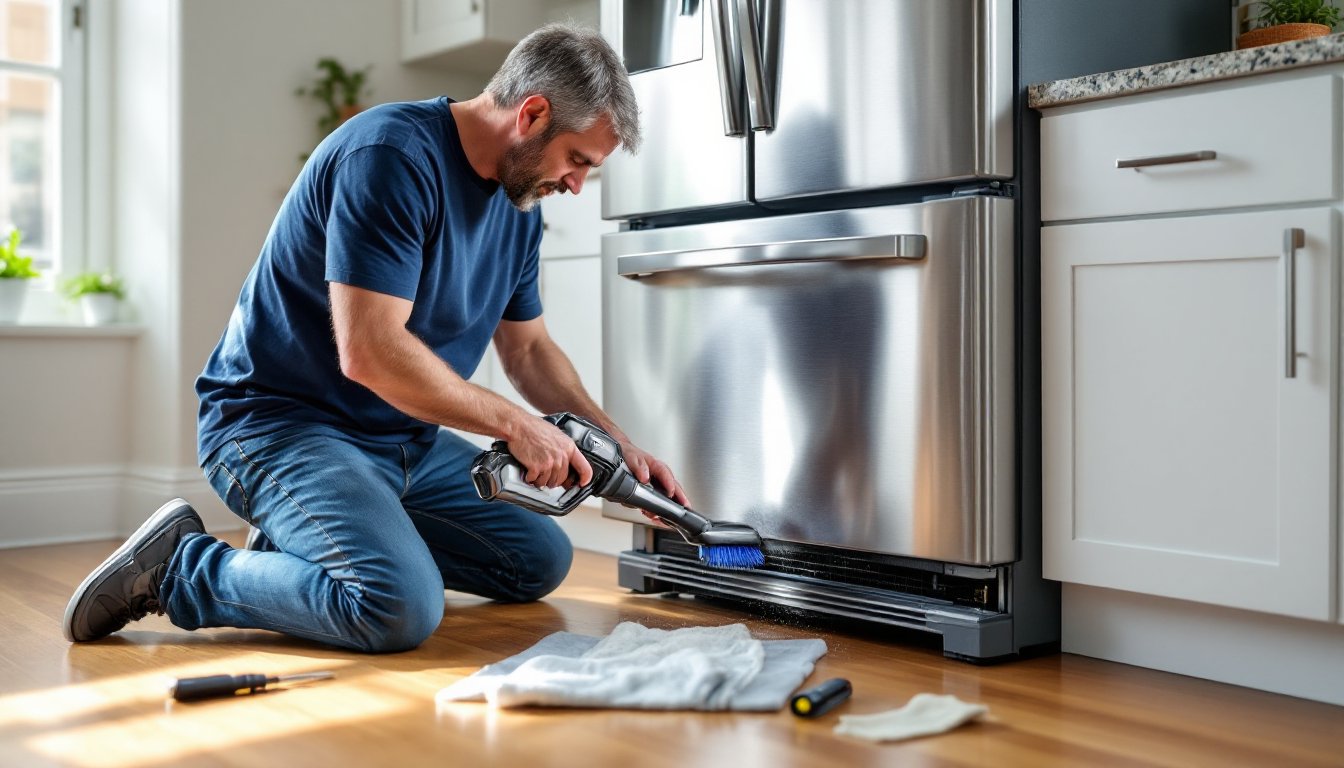
Can homeowners do any of this themselves? Some of it. You should be changing or cleaning filters every 1-3 months depending on system type and home conditions. Keeping the outdoor condenser clear of leaves, grass clippings, and debris is basic upkeep. Ensuring supply and return vents aren’t blocked by furniture or drapes improves airflow and efficiency.
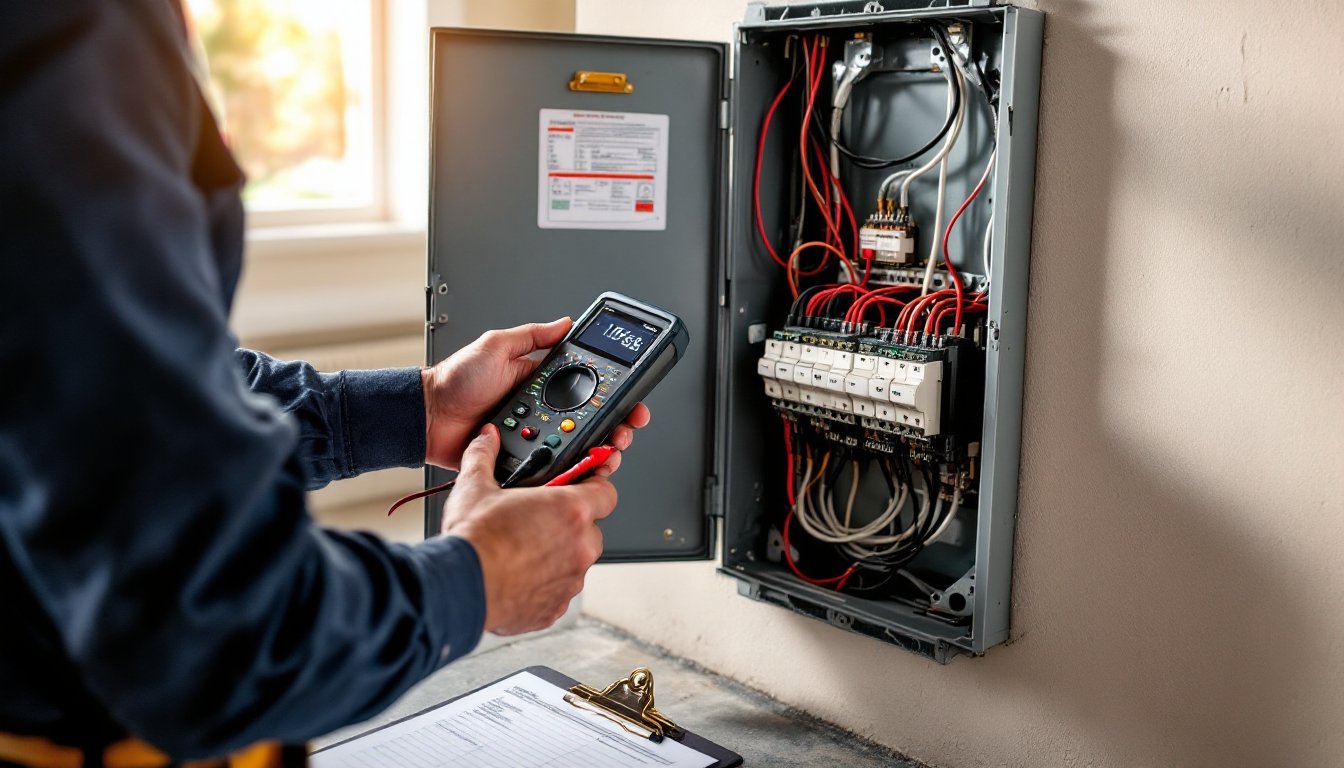
But refrigerant work, combustion testing, and electrical diagnostics require EPA certification, proper gauges, and diagnostic tools most DIYers don’t own. A refrigerant scale costs $300-$600. A digital manifold gauge set runs $400-$800. A combustion analyzer is $500-$1,500. Unless you’re servicing HVAC systems as a side business, hiring a pro makes sense.
Some jurisdictions require HVAC work to be performed by licensed contractors, especially anything involving refrigerants (EPA Section 608 regulations) or gas piping (which often falls under plumbing or mechanical codes). Check local rules before attempting anything beyond filter changes and coil cleaning.
If you’re managing multiple properties or just want to stay organized, using top maintenance checklists helps ensure nothing gets skipped. A checklist isn’t overkill, it’s how pros avoid callbacks and warranty claims.
For details on preventative maintenance best practices, review guidelines from Today’s Homeowner on scheduling and service expectations.