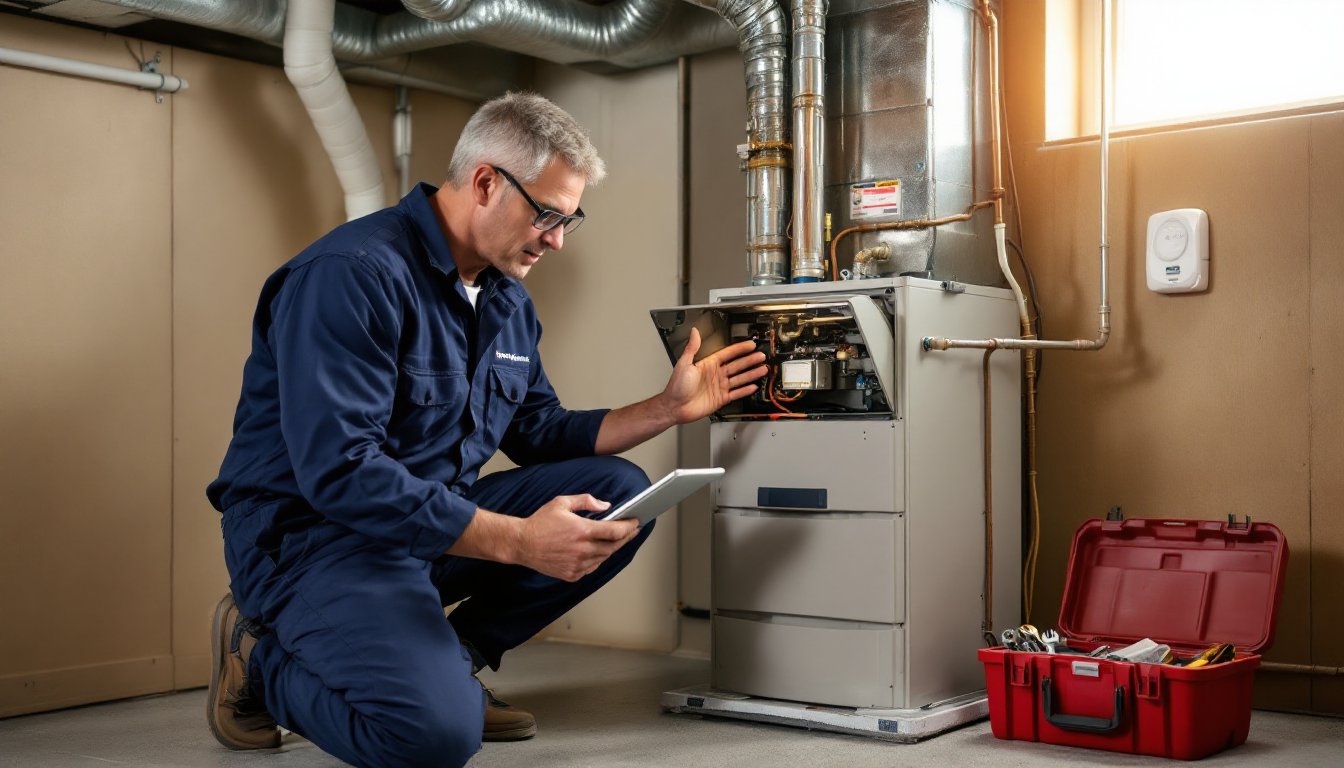
Houston’s brutal summers and unpredictable humidity place massive demands on air conditioning systems. Homeowners in the region run their HVAC units harder and longer than nearly anywhere else in the country, which makes proactive maintenance essential, not optional. A well-maintained system won’t just keep you comfortable when temperatures hit triple digits: it’ll cut energy bills by 15–20%, extend equipment life by years, and prevent expensive emergency repairs at the worst possible moment. Whether you’re a hands-on DIYer or someone who prefers calling in the pros, understanding what needs attention and when can save thousands of dollars over the life of your system.
Table of Contents
ToggleKey Takeaways
- HVAC maintenance in Houston is essential due to the region’s extreme heat and humidity, which forces systems to run 8–10 months per year and can reduce energy efficiency by 15% if filters become clogged.
- Homeowners can perform several critical DIY tasks—including monthly air filter changes, vent cleaning, and outdoor condenser unit debris removal—to keep systems running smoothly between professional tune-ups.
- Professional HVAC maintenance should be scheduled annually or biannually in spring and winter to check refrigerant levels, test electrical components, and clean coils before peak cooling season.
- Houston HVAC systems that display frozen coils, unusual noises, short-cycling, or continuous operation without reaching set temperatures require immediate professional attention to avoid expensive emergency repairs.
- When selecting an HVAC contractor in Houston, verify TDLR licensing, check online reviews and Better Business Bureau ratings, confirm transparent pricing, and prioritize companies offering 24/7 emergency service.
- Regular HVAC maintenance cuts energy bills by 15–20%, extends equipment lifespan, and improves indoor air quality by preventing mold growth and reducing the cost of emergency repairs in peak summer months.
Why Regular HVAC Maintenance Matters in Houston’s Climate
Houston’s climate is uniquely punishing to HVAC systems. The combination of extreme heat, high humidity, and extended cooling seasons creates conditions that accelerate wear on compressors, coils, and blower motors. Most Houston homes run their air conditioning 8–10 months per year, compared to 4–6 months in temperate climates.
Neglected systems lose efficiency fast. A clogged filter alone can reduce airflow by 15%, forcing the blower motor to work harder and driving up electricity costs. Dirty condenser coils reduce heat transfer efficiency, making the compressor run longer cycles to achieve the same cooling. Over time, this extra strain shortens component lifespan and increases the likelihood of mid-summer breakdowns when repair costs spike and technician availability drops.
The energy cost impact is real. According to the U.S. Department of Energy, routine maintenance keeps HVAC systems running at peak efficiency, which directly translates to lower utility bills. In a city where cooling costs can account for 50–70% of summer electric bills, that efficiency gain adds up quickly. Beyond the financial incentive, consistent maintenance helps catch small issues, refrigerant leaks, worn belts, failing capacitors, before they turn into expensive emergency repairs that professional HVAC services in Houston can cost hundreds or thousands to fix.
Houston’s air quality also plays a role. Pollen, dust, and humidity create ideal conditions for mold growth inside ductwork and on evaporator coils. Regular cleaning and filter changes aren’t just about efficiency, they’re about indoor air quality and preventing respiratory issues for your household.
Essential HVAC Maintenance Tasks Houston Homeowners Can DIY
Not every maintenance task requires a service call. Several critical jobs are straightforward enough for most homeowners to handle with basic tools and a little attention to detail. These tasks don’t just save money, they keep your system running smoothly between professional tune-ups.
Changing Air Filters and Cleaning Vents
This is the single most important DIY task, and it’s dead simple. Most residential systems use either 1-inch disposable filters or 4-inch pleated media filters. Check your filter monthly during heavy-use months (May through October in Houston) and replace it when it looks gray or clogged. If you have pets or live near construction, you may need to replace it every 30 days instead of the standard 60–90 days.
Locate the filter slot, usually at the return air handler or inside the return grille. Turn off the system at the thermostat before removing the old filter. Note the airflow direction arrows on the frame: the new filter must be installed the same way or airflow will be restricted. Disposable fiberglass filters (MERV 1-4) are cheap but offer minimal filtration. Pleated filters (MERV 8-11) trap more particles and are worth the extra few dollars for better air quality and coil protection. Avoid ultra-high MERV ratings (13+) unless your system is designed for them, they can restrict airflow and strain the blower motor.
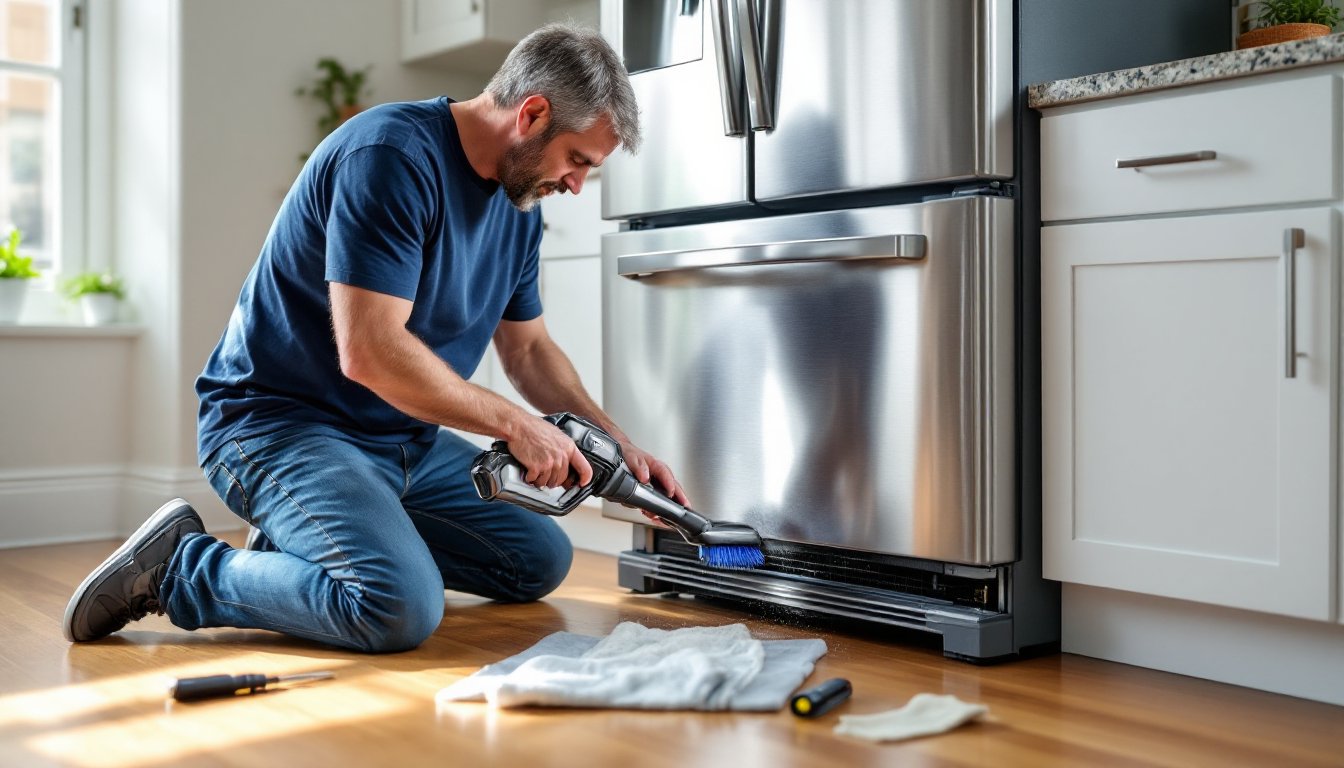
While you’re at it, vacuum or wipe down return and supply vents throughout the house. Dust buildup on grilles reduces airflow and gets pulled into the system. Use a vacuum with a brush attachment or a damp microfiber cloth. Don’t forget ceiling vents, those collect dust you can’t see from below.
Clearing Debris from Outdoor Units
The condenser unit outside does the heavy lifting of heat rejection, and it needs airflow to work efficiently. Over time, leaves, grass clippings, cottonwood seeds, and dirt accumulate around and inside the unit, blocking the condenser coil fins and reducing heat exchange.
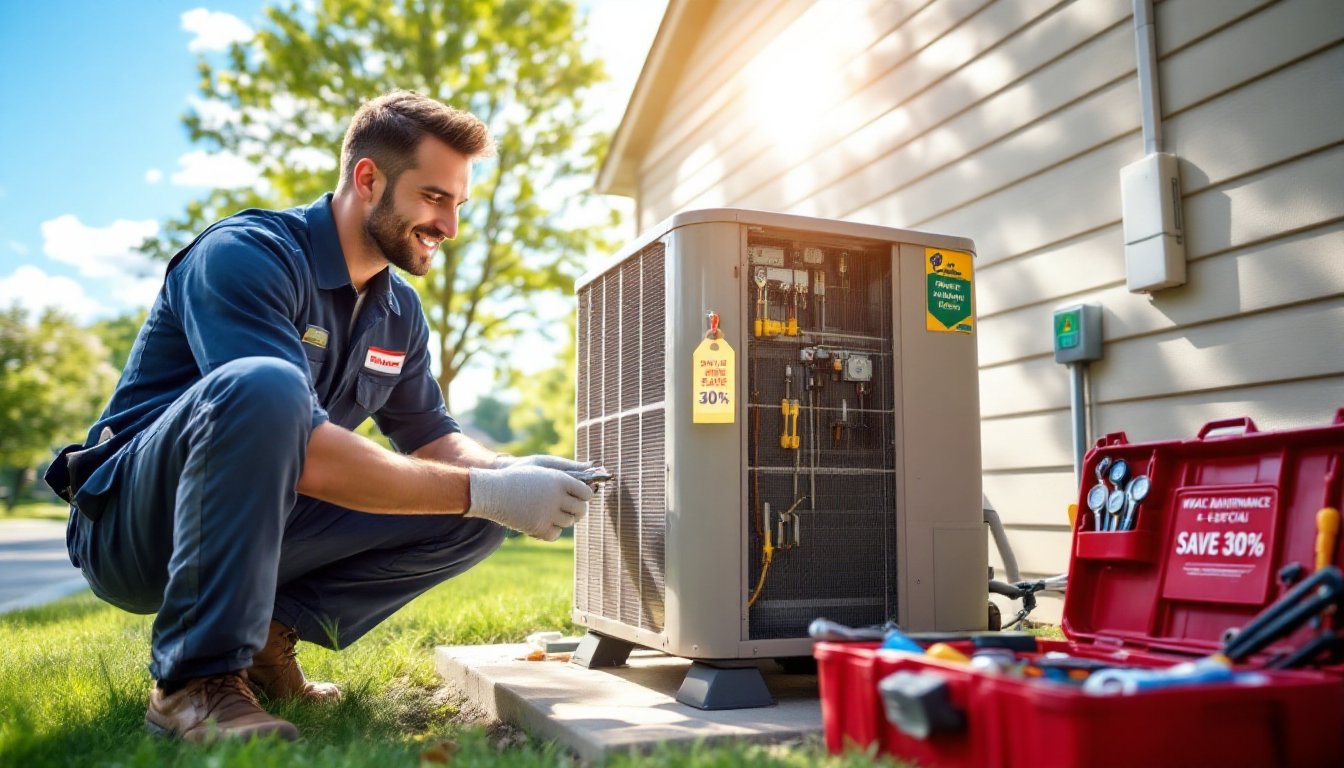
Start by shutting off power to the unit at the disconnect box (usually mounted on the wall near the condenser). Remove the top grille or fan guard, typically held by screws or clips, and clear out any debris inside. Use a shop vacuum or gloved hands: avoid bending the fins. Trim back any vegetation within 2 feet of the unit on all sides to maintain airflow. Shrubs, vines, and overgrown grass restrict air intake and cause the compressor to overheat.
Spray the coil fins gently with a garden hose from the inside out to push dirt through the fins, not deeper into them. Don’t use a pressure washer, the force can bend the delicate aluminum fins. If fins are already bent, you can carefully straighten them with a fin comb (available at hardware stores), but this is tedious work. A condenser coil cleaner (foaming spray) can help dissolve stubborn grime, but follow label directions and rinse thoroughly.
Check the concrete pad or mounting surface. If it has settled or tilted, the unit may not drain properly, leading to water pooling and potential compressor damage. Minor leveling can be done by shimming with composite shims, but significant settling may require professional help.
When to Call a Professional HVAC Technician in Houston
DIY maintenance covers the basics, but certain tasks require specialized tools, refrigerant handling licenses, and diagnostic expertise. Knowing when to call a pro prevents unsafe situations and protects your warranty.
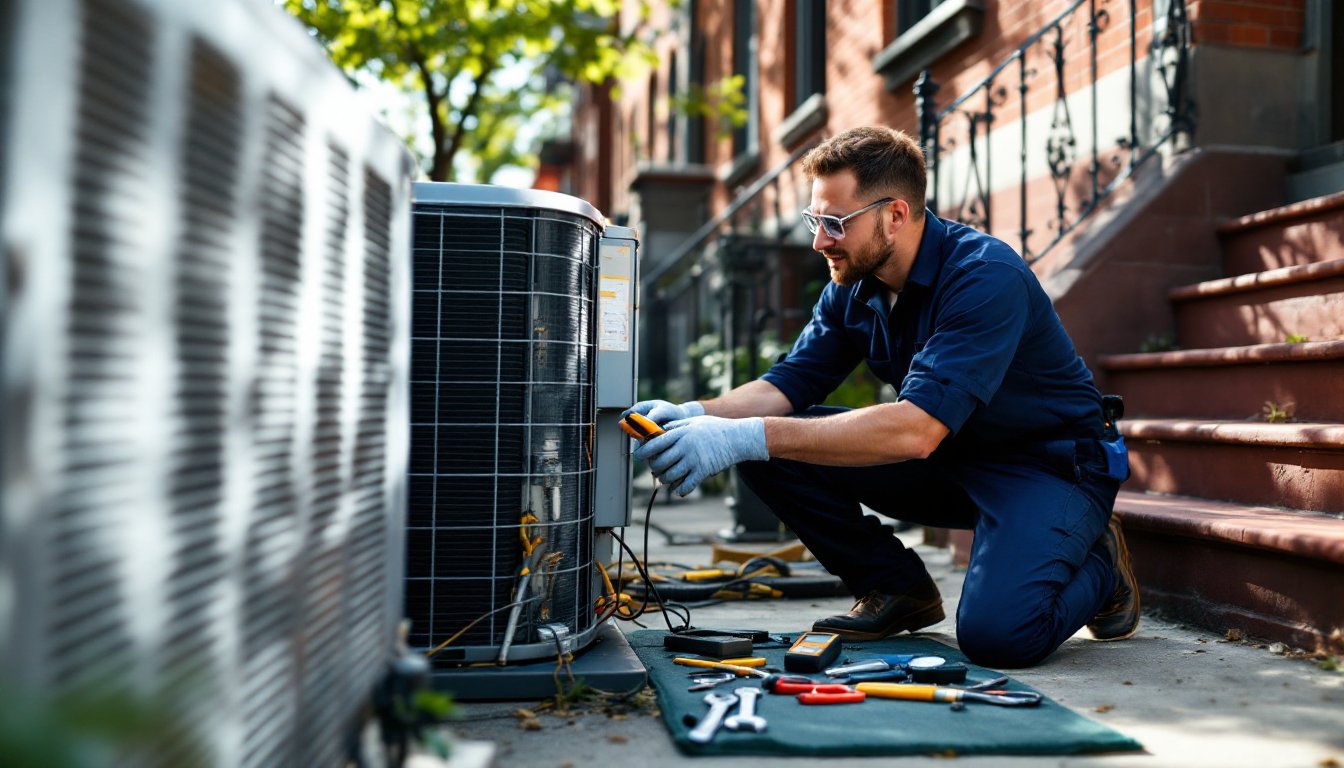
Annual or biannual professional tune-ups are non-negotiable. A licensed technician will check refrigerant levels (low refrigerant indicates a leak, which must be repaired before recharging), test capacitors and contactors, measure amp draw on the compressor and blower motor, inspect ductwork for leaks, clean the evaporator coil, and verify the thermostat calibration. These checks catch problems before they cause breakdowns.
Call immediately if you notice frozen evaporator coils, which indicate airflow restriction, low refrigerant, or a failing blower. Don’t try to chip ice off, you’ll damage the coil. Turn off the system and let it thaw, then call a technician.
Strange noises are red flags. Grinding or squealing from the indoor unit often means a failing blower motor or loose belt. Hissing can indicate a refrigerant leak. Banging or clanking from the condenser suggests a failing compressor or loose fan blade. None of these are DIY fixes.
If your system short-cycles (turns on and off every few minutes), that’s a sign of a failing compressor, bad thermostat, or refrigerant issue. Short-cycling wastes energy and accelerates wear. Similarly, if the system runs constantly without reaching the set temperature, something’s wrong, possibly a refrigerant leak, failing compressor, or undersized unit for your home’s load.
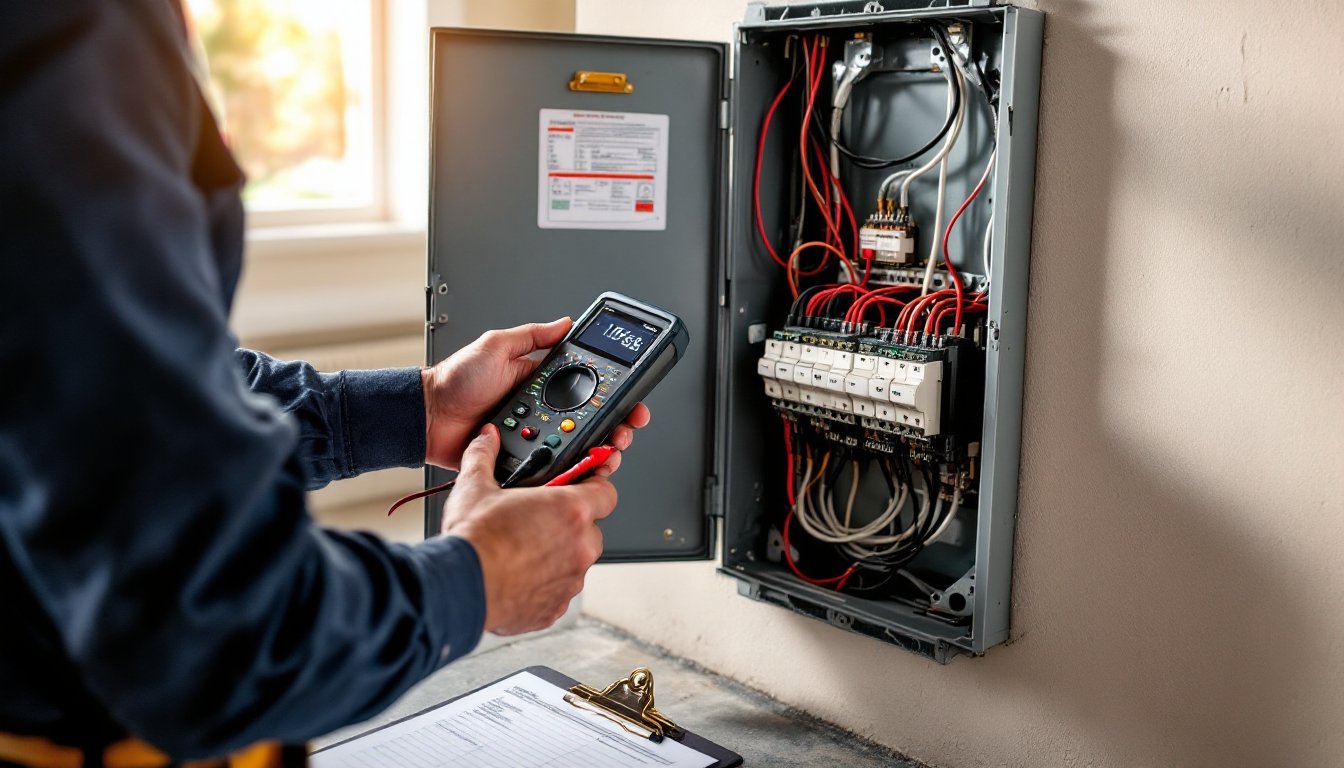
Any work involving electrical components beyond replacing a thermostat battery or resetting a breaker should go to a licensed electrician or HVAC tech. Capacitors store high voltage even when power is off and can deliver a fatal shock. Refrigerant work is regulated by the EPA: homeowners aren’t legally allowed to purchase or handle refrigerants without certification.
Many professional maintenance services cost between $75 and $200 for a standard tune-up, and scheduling during the off-season (late fall or early spring) often gets you a discount. For cost estimating and contractor matching, resources like HomeAdvisor can help connect homeowners with local HVAC professionals.
Seasonal HVAC Maintenance Checklist for Houston Homes
Houston’s extended cooling season and mild winters call for a maintenance rhythm that differs from northern climates. Here’s a practical checklist broken down by season.
Spring (March–April): Schedule a professional tune-up before the heat arrives. This is when techs check refrigerant, test the compressor, clean the evaporator coil, and verify electrical connections. Replace the air filter if you haven’t in the last 60 days. Clear debris from around the outdoor unit and trim back vegetation. Test the thermostat by setting it a few degrees below room temp and confirming the system kicks on promptly.
Summer (May–September): Check and replace air filters monthly. Inspect the condensate drain line (usually a PVC pipe near the indoor air handler) to ensure it’s draining freely. A clogged drain can cause water damage and system shutdowns. You can flush it with a 50/50 mix of vinegar and water or use a wet/dry vacuum to clear clogs. Monitor your energy bills, sudden spikes can indicate the system is struggling. Listen for unusual noises and watch for ice buildup on refrigerant lines or the indoor coil.
Fall (October–November): As temperatures moderate, this is a good time to clean the outdoor condenser coils if you didn’t in spring. Replace the filter again and consider a MERV 8 or higher pleated filter for better filtration during the drier fall months. If you use your heating system at all (rare in Houston, but some nights dip into the 40s), test it by setting the thermostat to heat mode and confirming warm air flows.
Winter (December–February): Even though cooling demands drop, don’t ignore the system. Check the filter every 60–90 days. Inspect the outdoor unit for debris or damage from winter storms. If you run the heat, listen for odd sounds from the air handler and ensure vents aren’t blocked by furniture or holiday decorations. This is also a smart time to schedule your second annual tune-up if you opted for a biannual maintenance plan.
Keep a simple maintenance log, a notebook or phone note with dates of filter changes, service calls, and any issues you noticed. This helps when talking to technicians and tracking patterns over time.
How to Choose the Right HVAC Maintenance Service in Houston
Not all HVAC contractors are created equal, and Houston’s market is crowded. Here’s how to separate the pros from the fly-by-night operators.
Licensing and insurance are baseline requirements. In Texas, HVAC contractors must hold a license from the Texas Department of Licensing and Regulation (TDLR). Ask for the license number and verify it online. Confirm they carry liability insurance and workers’ comp, if a tech gets hurt on your property and they’re uninsured, you could be liable.
Experience with your system type matters. If you have a high-efficiency variable-speed system, a geothermal heat pump, or a dual-fuel setup, make sure the contractor has experience with that technology. Not all techs are trained on newer equipment.
Transparent pricing is a must. Reputable companies provide clear estimates before work begins. Be wary of vague “diagnostic fees” that balloon into expensive repairs without your approval. Ask if they charge flat-rate pricing or time-and-materials, and get a written estimate for any proposed repairs.
Maintenance plans can be a good deal if you stay with the same company. Many offer annual or biannual plans that include tune-ups, priority scheduling, and discounts on repairs. Compare what’s included, some plans cover filter delivery, others include duct inspection or coil cleaning. Do the math: if two tune-ups per year cost $150 each and the plan costs $250 with added perks, it’s worth it.
Reviews and references tell you a lot. Check Google, Yelp, and the Better Business Bureau. Look for patterns, one bad review might be an outlier, but repeated complaints about upselling, no-shows, or shoddy work are red flags. Ask friends or neighbors for recommendations: word-of-mouth still matters in Houston’s tight-knit neighborhoods. Platforms like ImproveNet aggregate contractor reviews and can help identify trusted local HVAC companies.
Availability and response time are critical in Houston. When your AC dies in July, you need a company that answers the phone and can get a tech out fast. Ask about emergency service, after-hours rates, and typical response times during peak season. Companies that offer 24/7 emergency service often charge a premium, but it’s worth it when you’re sweltering at midnight.
Finally, trust your gut. If a salesperson is pushy, dismissive of your questions, or pushing an expensive system replacement when your unit is only five years old, get a second opinion. A good contractor educates, explains options, and respects your budget.