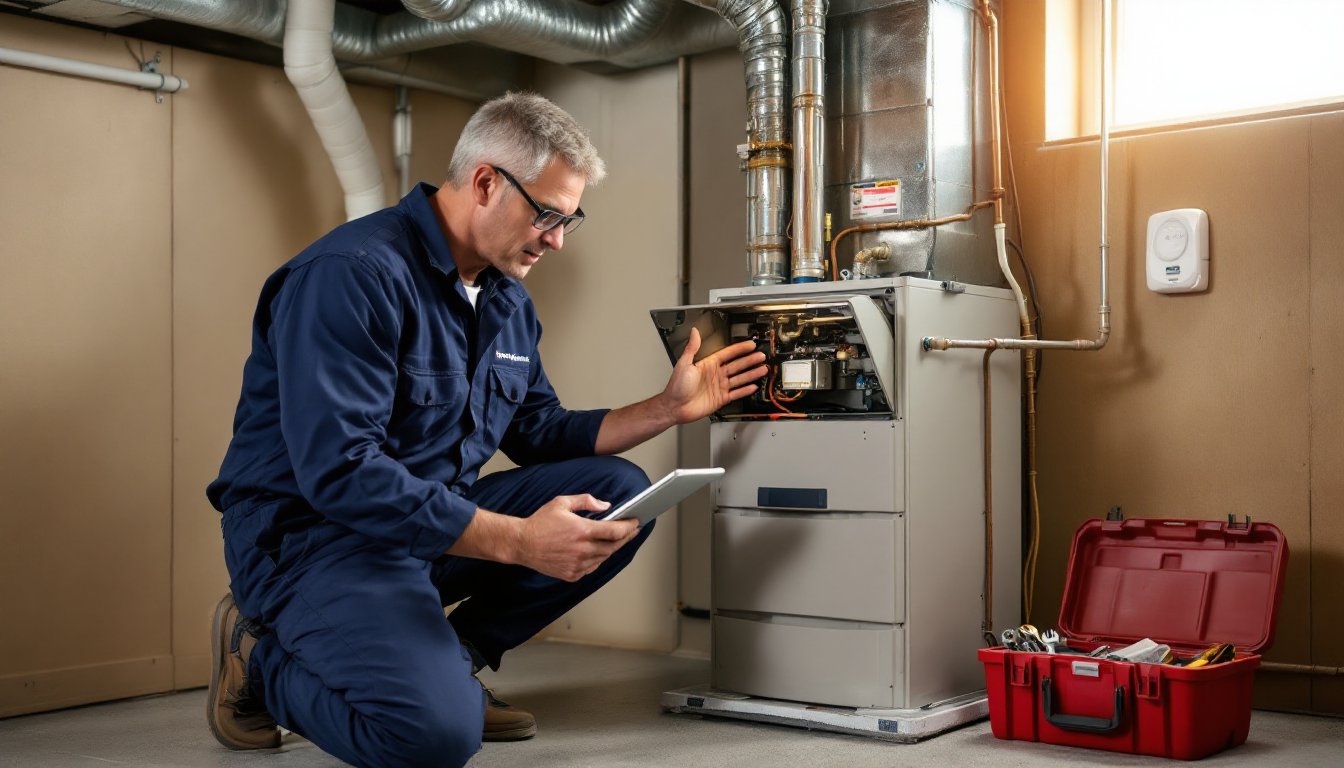
Heat pumps are workhorses, heating in winter, cooling in summer, and running year-round in many climates. But like any mechanical system, they need regular attention to keep efficiency high and breakdowns rare. Skip the annual tune-up, and you’re looking at higher energy bills, reduced lifespan, and the risk of a system failure on the coldest or hottest day of the year. This guide walks through what annual maintenance actually involves, what tasks homeowners can tackle themselves, and when it’s time to call in a pro.
Table of Contents
ToggleKey Takeaways
- Heat pump annual maintenance prevents efficiency losses of 10–25% and protects manufacturer warranty coverage, which often requires proof of professional service.
- Professional tune-ups include refrigerant checks, electrical inspections, coil cleaning, and ductwork assessments that catch problems before costly failures occur.
- Homeowners can perform DIY filter replacements and outdoor unit clearing between visits, but these tasks don’t replace the need for annual professional service.
- Schedule heat pump maintenance in spring or fall before peak heating and cooling seasons to ensure system readiness and avoid emergency service premiums.
- Common issues detected during annual maintenance—such as low refrigerant, worn capacitors, and frozen coils—can cost $1,500–$3,000 to repair if ignored.
- Unusual noises, short-cycling, reduced airflow, or ice buildup warrant immediate service calls to prevent compressor damage and system failure.
Why Annual Heat Pump Maintenance Matters
Heat pumps move a lot of air and refrigerant to condition your home, and that constant operation takes a toll. Dust clogs coils, refrigerant levels can drift, and electrical connections loosen over time. An annual service call catches these issues before they compound.
The efficiency hit is real. A neglected heat pump can lose 10–25% of its efficiency within a few years, which translates directly to higher utility bills. Dirty coils force the compressor to work harder, shortening its life. Low refrigerant reduces heating and cooling capacity, making the system run longer cycles to reach setpoint.
Beyond energy costs, regular maintenance protects your investment. Most heat pumps carry a 10-year compressor warranty, but many manufacturers require proof of annual professional service to honor it. Skipping maintenance can void that coverage, leaving you on the hook for a $1,500–$3,000 compressor replacement.
Finally, there’s safety and code compliance. Heat pump systems involve high-voltage electrical connections, refrigerant under pressure, and sometimes backup electric resistance heat. Loose wiring or refrigerant leaks aren’t just efficiency problems, they’re hazards. Annual inspections from professionals familiar with seasonal maintenance protocols help ensure safe operation.
What’s Included in a Professional Heat Pump Tune-Up
A thorough professional service goes well beyond what homeowners can do with a garden hose and a screwdriver. Expect the following during an annual visit:
Refrigerant Check and Adjustment
Techs measure refrigerant charge using gauges and superheat/subcooling calculations. If levels are low, they’ll locate and repair leaks before adding refrigerant. Overcharged or undercharged systems lose capacity and strain the compressor.
Electrical System Inspection
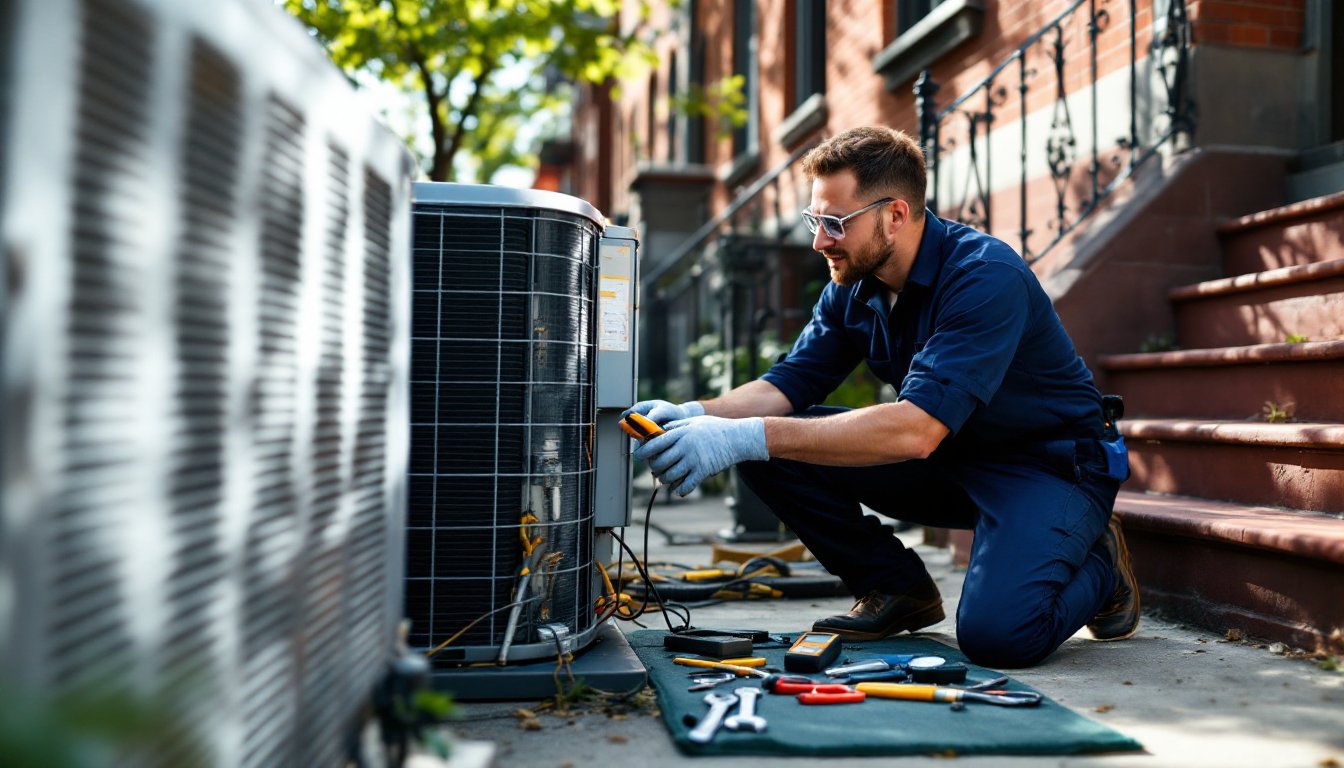
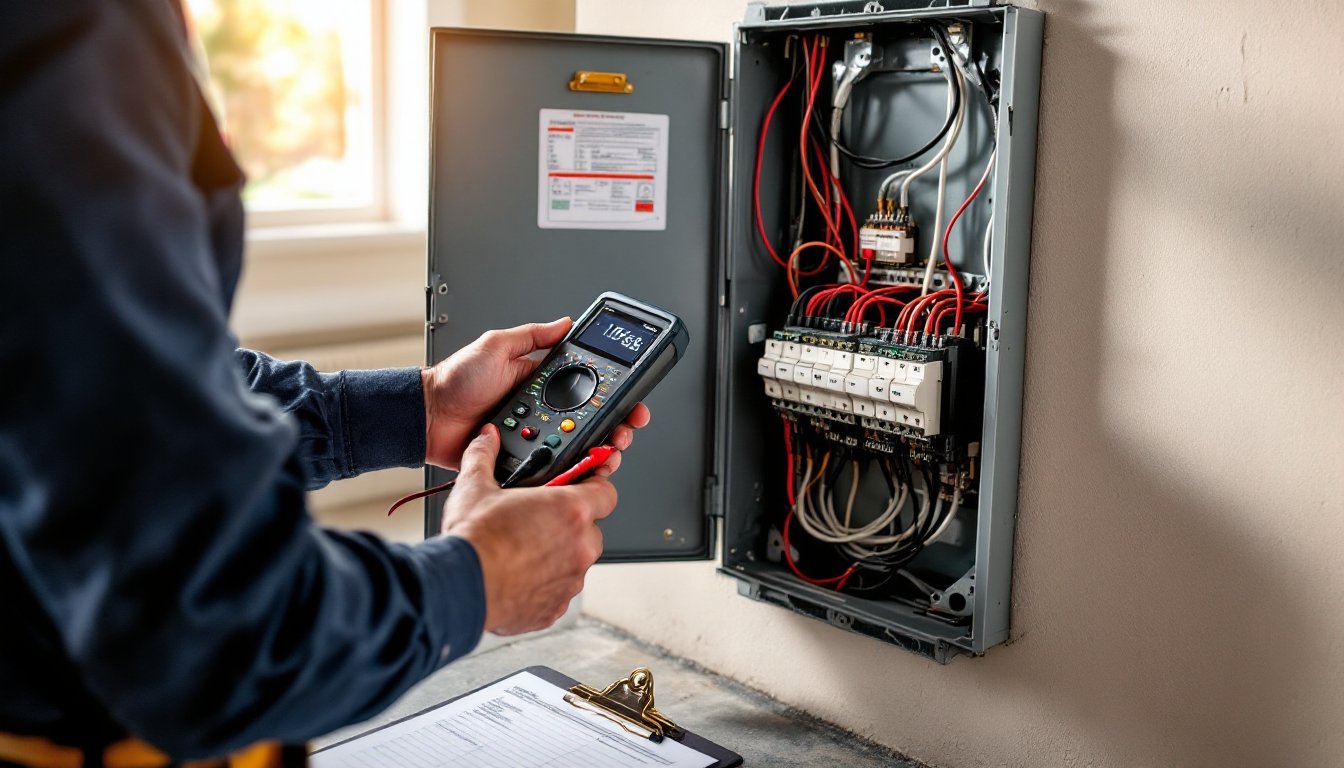
This includes tightening connections at the contactor, capacitor, and terminal blocks: testing amp draw on the compressor and fan motors: and checking the defrost control board and reversing valve operation. Faulty capacitors are a leading cause of compressor failure.
Coil Cleaning (Indoor and Outdoor)
Professionals use coil cleaner and specialized brushes to remove buildup from evaporator and condenser coils. Dirty coils reduce heat transfer, forcing longer run times. This is especially important in dusty, pollen-heavy, or coastal environments.
Condensate Drain Clearing
In cooling mode, heat pumps produce condensation. Techs flush the drain line and pan to prevent clogs that can cause water damage or humidity problems.
Airflow and Ductwork Assessment
They’ll measure static pressure and check for duct leaks, which can account for 20–30% of system energy loss in poorly sealed systems. Restricted airflow from dirty filters or closed vents stresses the blower motor.
Thermostat Calibration
Ensuring the thermostat accurately reads and responds to temperature prevents short-cycling and discomfort.
Most tune-ups take 60–90 minutes and cost $100–$200, though pricing varies by region and system complexity. Many HVAC companies offer annual service agreements that bundle the visit with priority scheduling and discounts on repairs.
DIY Heat Pump Maintenance Tasks You Can Handle
Homeowners can knock out several key tasks between professional visits. These don’t replace annual service, but they keep the system running smoothly and reduce wear.
Filter Replacement and Cleaning
The filter is your first line of defense against dust and debris entering the system. A clogged filter restricts airflow, which reduces efficiency and can cause the evaporator coil to freeze.
Frequency: Check filters monthly during heavy-use seasons (winter and summer). Replace or clean them every 1–3 months, depending on type and household conditions. Homes with pets, high dust, or allergy sufferers need more frequent changes.
Filter Types:
- Fiberglass disposable filters ($1–$5 each): Low cost, minimal filtration, replace monthly.
- Pleated filters ($8–$15 each, MERV 8–13): Better particle capture, replace every 2–3 months.
- Washable electrostatic filters ($50–$100): Reusable, rinse monthly with a hose, fully dry before reinstalling.
Always turn off the system at the thermostat before removing the filter. Note the airflow direction printed on the filter frame, install it so air flows toward the blower.
Outdoor Unit Care and Debris Removal
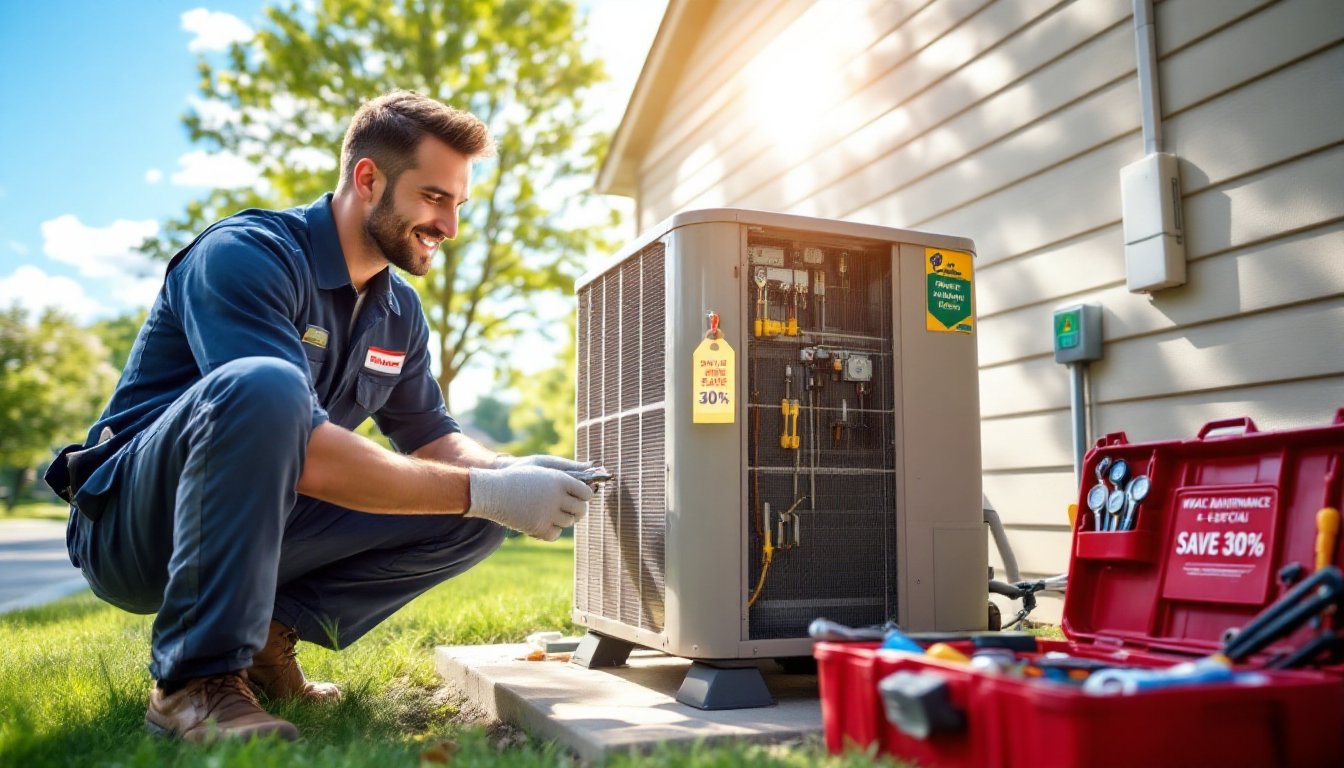
The outdoor condenser unit needs clear airflow on all sides. Leaves, grass clippings, cottonwood seeds, and shrub growth restrict airflow and reduce heat exchange.
Quarterly Tasks:
- Clear the perimeter: Remove leaves, mulch, and debris within 2 feet of the unit.
- Trim vegetation: Maintain at least 18–24 inches of clearance around the unit. Overgrown shrubs block airflow and trap moisture.
- Inspect the fan grille: Check for bent fins or obstructions. Straighten minor fin damage with a fin comb (available at hardware stores for $5–$10).
Twice-Yearly Deep Clean:
- Turn off power at the outdoor disconnect box (usually mounted on the house near the unit).
- Use a garden hose with a spray nozzle to rinse the coil fins from the inside out. Spray gently, high pressure can bend fins. Work from top to bottom.
- Clear the drain holes at the base of the unit.
- Restore power and verify the unit starts normally.
Winter Prep: In climates with heavy snow, ensure the unit is elevated above typical snow depth (most are mounted on a pad 4–6 inches high). Clear snow buildup promptly, blocked airflow triggers defrost cycles and reduces heating capacity. Never cover the unit with a tarp while it’s in heating mode: heat pumps run in winter and need ventilation.
Safety Note: Wear gloves and safety glasses when working around fins and electrical components. If you’re uncomfortable working near high-voltage equipment, stick to debris removal and leave coil cleaning to professionals.
When to Schedule Your Annual Service
Timing matters. The ideal window for professional maintenance is spring or early fall, before peak heating or cooling season, when HVAC techs have more availability and you’re less likely to discover a problem when you desperately need the system.
Spring Service (March–May): Schedule before cooling season if you live in a hot climate or use AC heavily. Techs can catch refrigerant issues, clean coils, and test the system under light load before the summer heat hits.
Fall Service (September–November): Best for cold climates where heating dominates. This timing ensures the defrost cycle, reversing valve, and backup heat are ready for winter.
Some homeowners in moderate climates split the difference and schedule service in late spring or early fall, ensuring the system is checked before both heating and cooling seasons.
Avoid scheduling during peak summer or winter. If your heat pump fails during a cold snap or heat wave, you’ll compete with emergency calls, face longer wait times, and potentially pay premium rates. Many service providers offering contractor scheduling platforms allow online booking and reminders to help homeowners stay on track.
If you’ve just had your system installed, don’t skip the first-year tune-up. New systems can have installation issues, improper refrigerant charge, loose connections, or ductwork problems, that show up after a few months of operation. Catching these early is critical, especially since installation costs for heat pumps can be significant.
Common Heat Pump Problems Caught During Maintenance
Annual service isn’t just about cleaning and adjusting, it’s about catching problems before they become expensive failures. Here’s what pros commonly find:
Low Refrigerant from Slow Leaks
Refrigerant doesn’t get “used up.” If it’s low, there’s a leak. Small leaks at flare fittings or valve cores worsen over time. Left unchecked, low refrigerant forces the compressor to work harder, eventually causing it to fail.
Worn Contactor or Capacitor
The contactor is a relay that switches the compressor and fan on and off. Pitted contacts cause arcing and hard starts. The capacitor provides the electrical boost to start the compressor and fan motors. When it weakens, the compressor struggles to start or won’t run at all. Replacing a capacitor costs $150–$250: a failed compressor costs $1,500–$3,000.
Dirty or Frozen Coils
Restricted airflow from dirty coils causes the evaporator to freeze in cooling mode or the outdoor coil to ice over in heating mode. Either scenario reduces capacity and can damage the compressor.
Defrost Control Malfunctions
In winter, heat pumps periodically reverse to defrost the outdoor coil. If the defrost board, sensor, or reversing valve fails, ice builds up and the system loses heating capacity. You’ll notice longer run times, reduced airflow, or the backup electric heat running constantly.
Duct Leaks and Airflow Restrictions
Leaky ducts waste conditioned air and force the system to run longer. Closed or blocked vents create pressure imbalances that strain the blower motor. A blower motor replacement runs $400–$600 in parts and labor.
If the tech finds any of these issues, address them promptly. Deferred repairs compound, what starts as a $200 capacitor replacement can become a $2,000 compressor job if the capacitor fails and the compressor runs unprotected.
When to Call for Service Between Annual Visits:
- Ice buildup on the outdoor unit in heating mode
- Unusual noises (grinding, squealing, or banging)
- Short-cycling (system turns on and off every few minutes)
- Reduced airflow or weak heating/cooling
- Tripped breakers or blown fuses
- Burning smell or visible sparks
Heat pumps are efficient, reliable systems when maintained properly. Stay on top of filter changes, keep the outdoor unit clear, and schedule that annual tune-up. It’s the easiest insurance policy you’ll ever buy for your HVAC system.