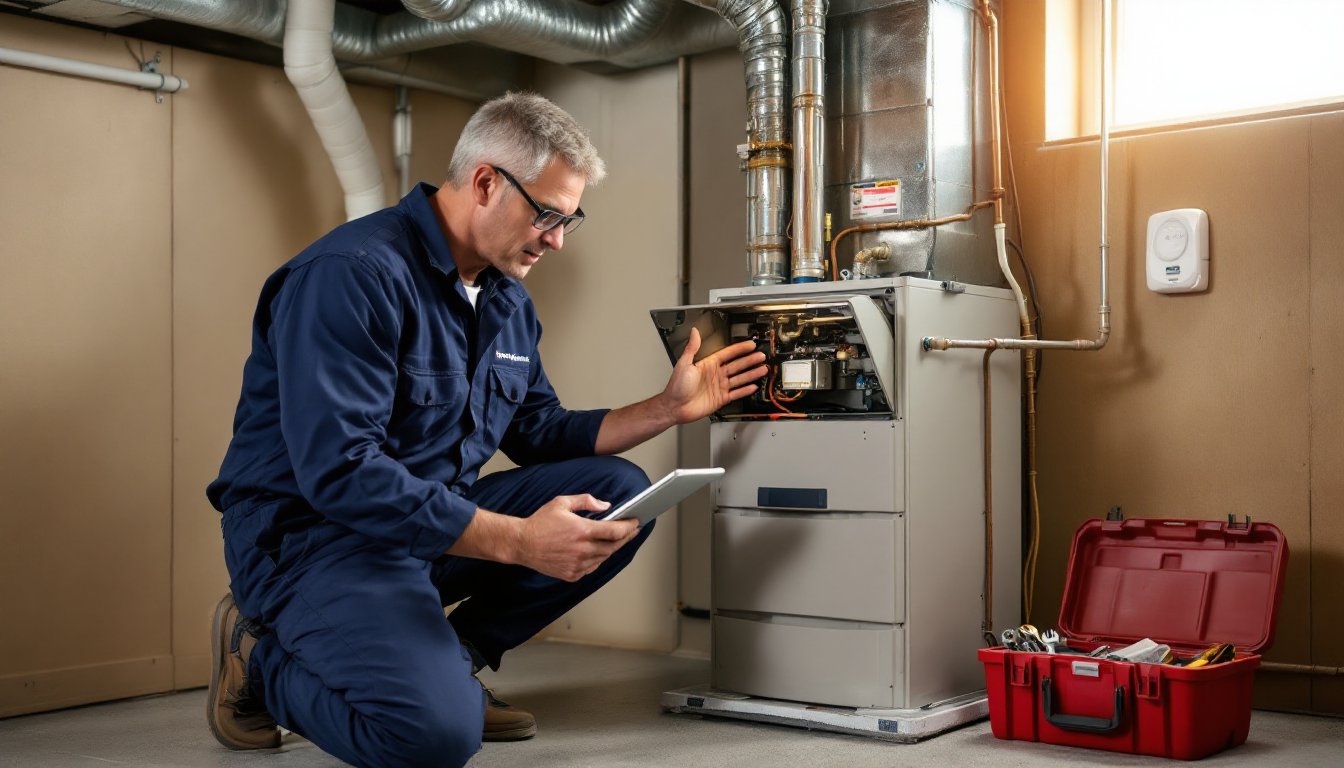
The best maintenance checklists save time, reduce costly repairs, and extend the life of equipment. Whether managing a single facility or overseeing a fleet of vehicles, a structured checklist ensures nothing falls through the cracks.
Without a clear system, maintenance tasks get missed. Small problems become expensive emergencies. Staff waste hours figuring out what needs attention next. A well-designed maintenance checklist solves these issues by providing a repeatable, reliable process anyone can follow.
This guide covers the essential types of maintenance checklists, how to build effective ones, and practical tips for successful implementation. By the end, readers will have a clear framework for creating checklists that actually work.
Table of Contents
ToggleKey Takeaways
- The best maintenance checklists reduce equipment failures by 25-30% through proactive inspections and documented processes.
- Effective checklists use clear, specific language with pass/fail criteria so technicians know exactly what to look for.
- Preventive maintenance checklists should be tied to calendar or meter-based schedules, covering visual inspections, lubrication, filter replacements, and fluid checks.
- Every checklist needs documentation fields for date, technician name, measurements, issues found, and actions taken.
- Successful implementation requires training, accessible tools, clear ownership, and regular reviews of completed checklists.
- Start with critical assets first, then expand your maintenance checklist program as your team masters the process.
Why Maintenance Checklists Matter
Maintenance checklists transform reactive firefighting into proactive asset management. They provide structure, accountability, and consistency across every inspection and repair task.
Here’s what organizations gain from using maintenance checklists:
- Reduced downtime: Equipment failures drop when teams catch problems early. A checklist ensures inspections happen on schedule, not just when something breaks.
- Lower repair costs: Fixing a worn belt costs far less than replacing a seized motor. Regular checklist-driven inspections identify wear before it causes damage.
- Improved safety: Missing a safety check can result in injuries or regulatory fines. Checklists create documentation that protects both workers and the organization.
- Consistent quality: Different technicians perform tasks the same way when following a checklist. This eliminates guesswork and reduces human error.
- Better asset lifespan: Equipment that receives regular maintenance lasts longer. Organizations get more value from their capital investments.
Studies show that preventive maintenance programs can reduce equipment failures by 25-30%. Maintenance checklists are the backbone of these programs. They turn good intentions into documented actions.
Without checklists, teams rely on memory. Memory fails. A technician might remember to check oil levels but forget to inspect filters. A facility manager might prioritize visible repairs while hidden issues worsen. Checklists eliminate these gaps by making every task explicit and trackable.
Essential Types of Maintenance Checklists
Different assets require different approaches. The best maintenance checklists match the specific needs of equipment, facilities, and operational schedules.
Preventive Maintenance Checklists
Preventive maintenance checklists focus on routine inspections and servicing. They schedule tasks based on time intervals, usage hours, or manufacturer recommendations.
A typical preventive maintenance checklist includes:
- Visual inspections for wear, corrosion, or damage
- Lubrication of moving parts
- Filter replacements
- Fluid level checks and top-offs
- Belt and hose condition assessments
- Calibration verification for sensors and gauges
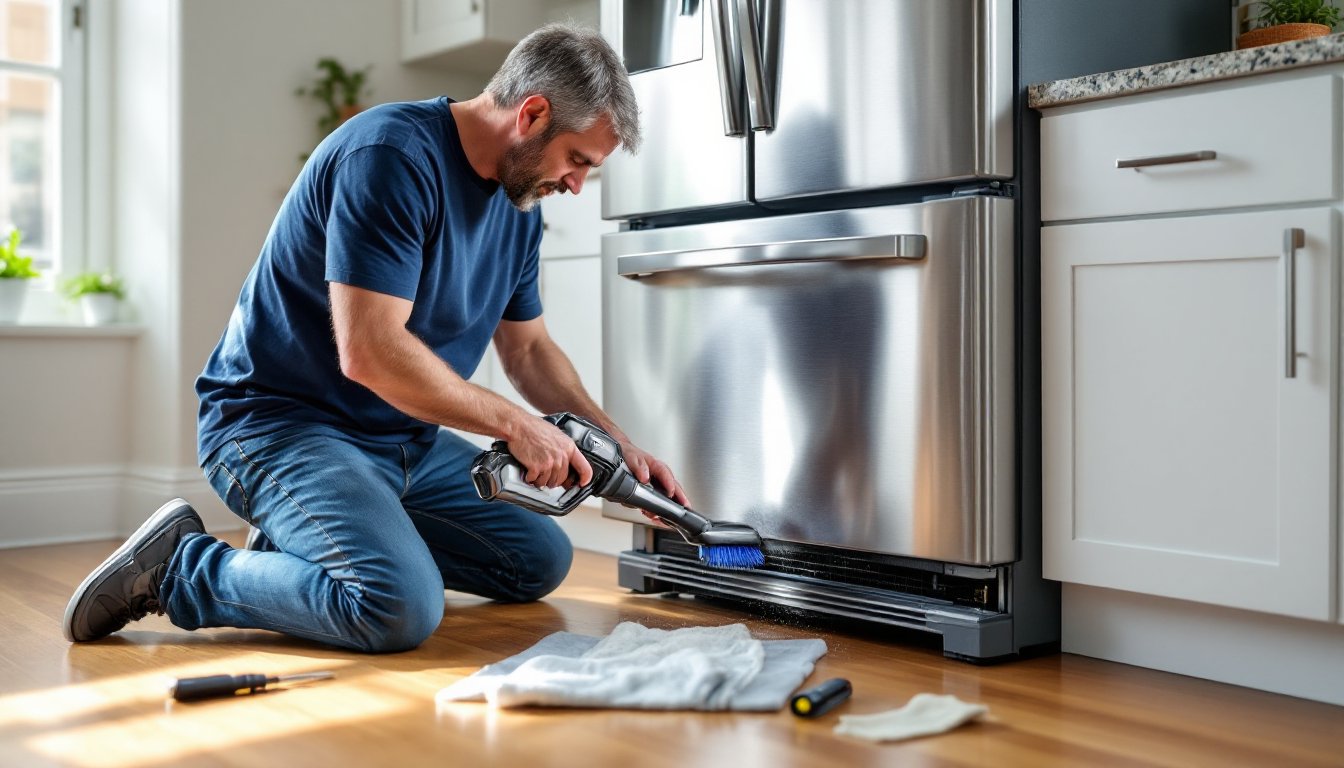
- Cleaning of vents, screens, and cooling systems
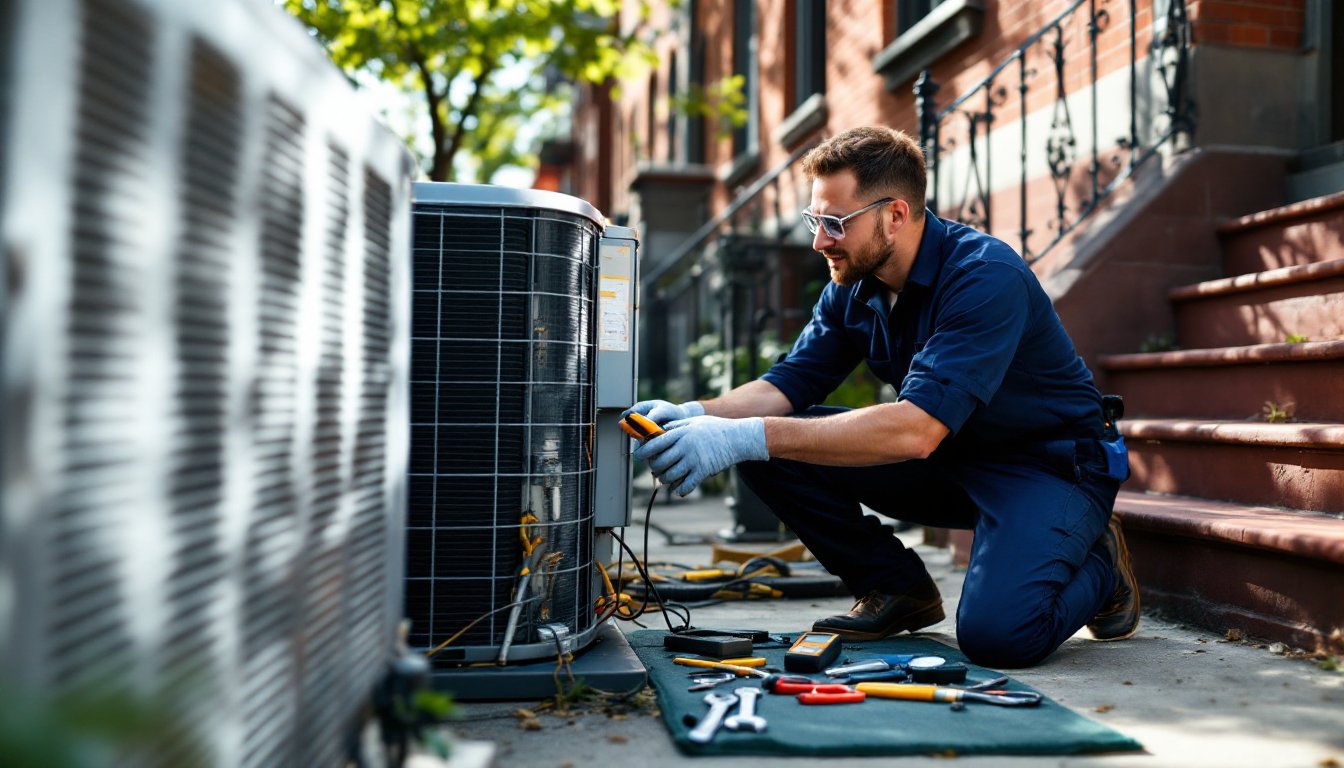
These checklists work best when tied to a calendar or meter-based schedule. For example, an HVAC system might have monthly filter checks, quarterly coil cleanings, and annual refrigerant inspections. Each task gets documented with dates, technician names, and any issues found.
Preventive maintenance checklists reduce unexpected breakdowns by catching problems during routine service windows. They’re essential for manufacturing equipment, fleet vehicles, and any asset where downtime carries significant costs.
Facility and Equipment Checklists
Facility checklists cover building systems and infrastructure. Equipment checklists target specific machines or devices.
Facility maintenance checklists typically address:
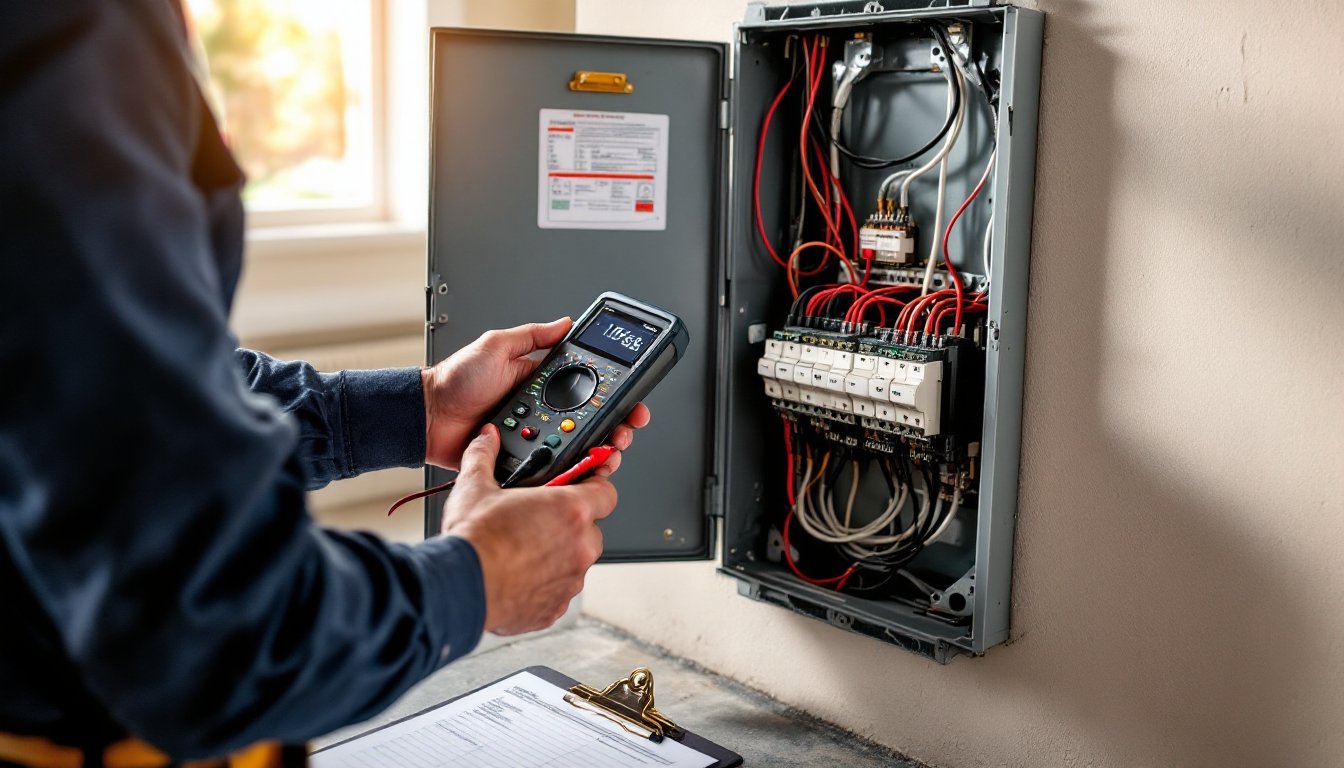
- Electrical systems (outlets, panels, emergency lighting)
- Plumbing (leaks, water pressure, drainage)
- HVAC performance and thermostat accuracy
- Fire safety equipment (extinguishers, alarms, sprinklers)
- Structural elements (roofs, floors, doors, windows)
- Grounds and exterior (parking lots, landscaping, signage)
Equipment checklists get more specific. A checklist for a CNC machine differs greatly from one for a commercial refrigerator. Each checklist should reflect the manufacturer’s maintenance requirements plus lessons learned from past failures.
The best maintenance checklists combine both approaches. Facility managers use building-wide checklists for general inspections while technicians follow equipment-specific checklists for detailed servicing.
How to Create an Effective Maintenance Checklist
Building a maintenance checklist that works requires more than listing tasks. The format, language, and structure all affect whether teams actually use it.
Start with manufacturer documentation. Equipment manuals contain recommended maintenance schedules and procedures. These form the foundation of any checklist. Ignoring manufacturer guidance can void warranties and lead to premature failures.
Add lessons from experience. What has broken before? Which components fail most often? Experienced technicians know where problems hide. Capture this knowledge in the checklist.
Use clear, specific language. “Check belt” is vague. “Inspect drive belt for cracks, fraying, or tension loss” tells the technician exactly what to look for. Good maintenance checklists leave no room for interpretation.
Include pass/fail criteria. Define what “acceptable” looks like. Specify measurements, tolerances, and thresholds. A technician should know immediately whether something passes inspection.
Organize tasks logically. Group items by location, system, or workflow sequence. If a technician inspects one area, they shouldn’t need to return to it later for a different task.
Build in documentation fields. Every checklist should capture:
- Date and time of inspection
- Technician name or ID
- Readings or measurements taken
- Issues found
- Actions taken or recommended
Keep it scannable. Walls of text don’t get read. Use checkboxes, numbered steps, and clear section headers. Technicians should find what they need in seconds.
Test and refine. No checklist is perfect on the first version. Have technicians use it, then gather feedback. Remove unnecessary items. Add missing ones. Update language that caused confusion.
Tips for Implementing Your Checklists Successfully
Even the best maintenance checklists fail without proper implementation. Success depends on training, tools, and follow-through.
Train everyone who uses the checklist. Walk through each item. Explain why it matters. Show technicians how to document findings correctly. Training takes time upfront but prevents errors and inconsistencies later.
Make checklists accessible. If technicians can’t find the checklist, they won’t use it. Digital systems work well, mobile apps put checklists in everyone’s pocket. Paper works too, as long as copies are available where work happens.
Set clear schedules and assignments. Each checklist needs an owner. Daily tasks need daily assignments. Monthly inspections need calendar reminders. Ambiguity about responsibility leads to missed maintenance.
Review completed checklists regularly. Don’t let documentation pile up unread. Managers should review submissions for patterns, recurring issues, and compliance gaps. This review closes the loop between field work and decision-making.
Update checklists when things change. New equipment arrives. Regulations update. Failure patterns shift. Maintenance checklists must evolve alongside operations. Schedule annual reviews at minimum.
Celebrate compliance, address gaps. Recognize teams that maintain consistent checklist completion. Address non-compliance directly. Building a culture of maintenance discipline takes reinforcement.
Start small, then expand. Organizations new to formal checklists should begin with critical assets. Master the process, then roll it out more broadly. Trying to carry out everything at once often leads to abandonment.