A functioning HVAC system isn’t optional, it’s the difference between a comfortable home and an expensive emergency repair call in July. Most system failures happen because of neglected routine care, not catastrophic breakdowns. Preventative maintenance plans address this by scheduling regular checkups before small issues turn into four-figure disasters. Whether someone hires a contractor or handles tasks themselves, a structured maintenance approach extends equipment life, reduces energy costs by 15-30%, and keeps warranty coverage intact. This guide walks through what these plans include, what homeowners can DIY, and how to choose the right option without overpaying.
Table of Contents
ToggleKey Takeaways
- An HVAC preventative maintenance plan scheduled twice yearly (spring and fall) catches worn components and minor issues before they become expensive four-figure emergency repairs.
- Regular HVAC preventative maintenance reduces energy costs by 15-30%, extends equipment lifespan from 10-12 years to 15-20 years, and keeps manufacturer warranty coverage intact with proper documentation.
- Professional maintenance plans typically cost $150–$500 annually and include refrigerant checks, coil cleaning, electrical inspections, and combustion analysis, though parts replacement is usually excluded.
- Homeowners can perform high-impact DIY tasks between professional visits, including monthly filter changes, outdoor unit cleaning, condensate line flushing, and register vacuuming, while deferring refrigerant and electrical work to licensed technicians.
- When selecting an HVAC maintenance plan, compare service frequency, parts/labor coverage, contractor credentials (state licenses and NATE certification), and transferability rather than price alone.
What Is an HVAC Preventative Maintenance Plan?
An HVAC preventative maintenance plan is a scheduled service agreement where a licensed technician inspects, cleans, and tunes up heating and cooling equipment at regular intervals, typically twice per year. One visit happens before cooling season (spring), the other before heating season (fall).
These plans differ from reactive service calls. Instead of waiting for a breakdown, technicians catch worn components, refrigerant leaks, electrical issues, and airflow problems while they’re still minor. Most professional maintenance plans include priority scheduling, discounted repairs, and waived trip fees.
Contracts vary by provider, but standard agreements cover labor for inspections and routine adjustments, not parts replacement. If a capacitor fails or a blower motor dies, the homeowner still pays for the component, though labor may be discounted. Read the fine print on what’s covered versus what triggers an additional invoice.
Typical annual costs run $150–$500 depending on region, system complexity (single-stage vs. variable-speed), and whether the plan covers one unit or separate furnace and AC systems. Multi-year contracts sometimes offer reduced per-visit pricing but lock homeowners into one provider.
Why Every Homeowner Needs an HVAC Maintenance Plan
Skipping maintenance doesn’t just risk discomfort, it voids most manufacturer warranties. Equipment warranties often require proof of annual professional service. Without documentation, a failed compressor at year three becomes a full-price replacement instead of a covered repair.
Energy efficiency degrades silently. A dirty evaporator coil forces the compressor to run longer, spiking electricity use by 20-30% without noticeable temperature changes. Clogged filters restrict airflow, causing the blower motor to work harder and wear faster. Regular tune-ups restore factory efficiency and cut monthly utility bills.
Systematic inspections catch safety hazards. Cracked heat exchangers leak carbon monoxide. Faulty electrical connections cause fires. Refrigerant leaks harm indoor air quality and violate EPA regulations. Technicians identify these risks before they escalate into emergencies or code violations.
Equipment lifespan depends heavily on care. A neglected furnace might last 10-12 years: a maintained one runs 15-20. The upfront cost of a maintenance plan is far cheaper than replacing a furnace at $3,000–$7,000 or an AC condenser at $2,500–$5,500. Tracking services with maintenance checklists ensures nothing gets overlooked across multiple systems.
What’s Included in a Professional HVAC Maintenance Plan
Professional plans break tasks into seasonal visits targeting each system before peak demand. Technicians follow standardized checklists, though scope varies by contract tier.
Spring and Summer Maintenance Tasks
Before cooling season, technicians focus on the air conditioning system and heat pump (if applicable). Tasks include:
- Refrigerant level check: Low charge reduces cooling capacity and damages the compressor. Technicians use gauges to verify pressures match manufacturer specs (typically 65-80 PSI suction side for R-410A systems).
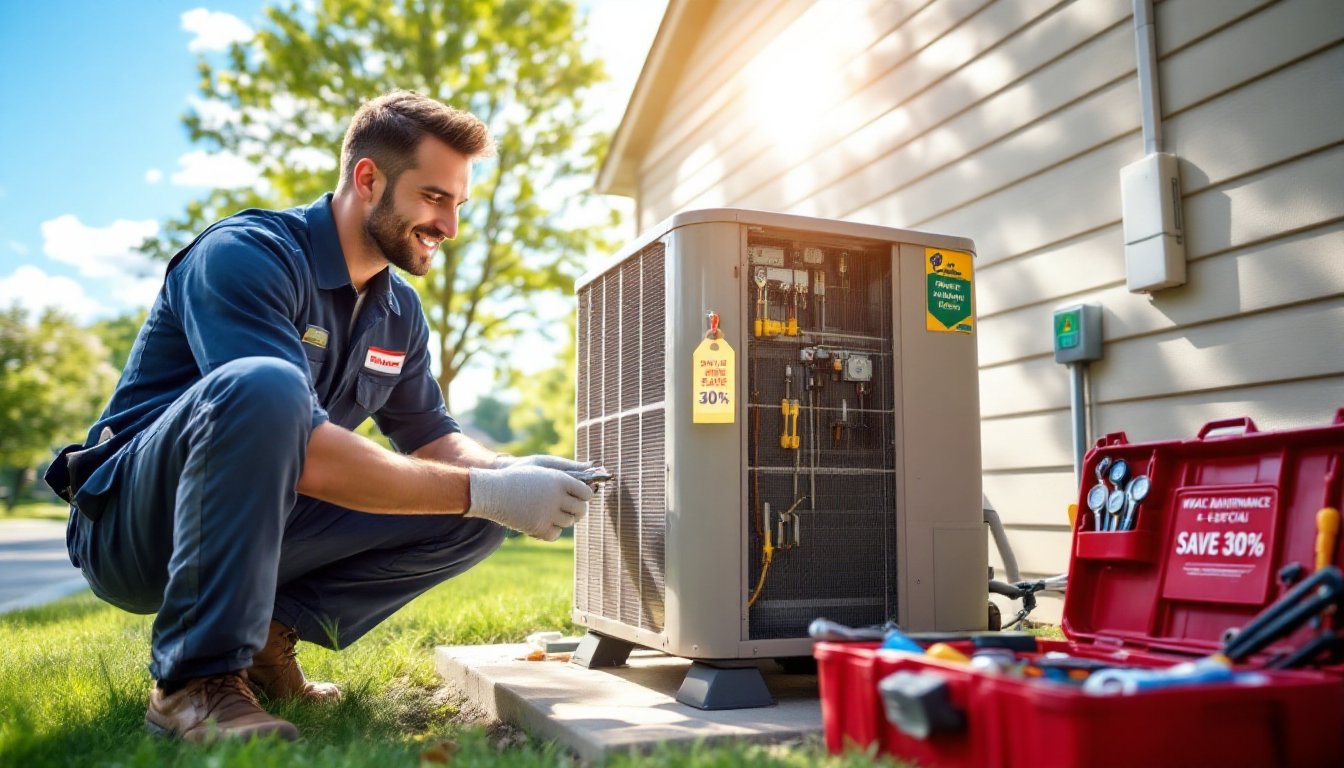
- Condenser coil cleaning: Outdoor coils collect pollen, grass clippings, and dirt. Technicians spray coils with coil cleaner and rinse with low-pressure water (never a pressure washer, it bends fins).
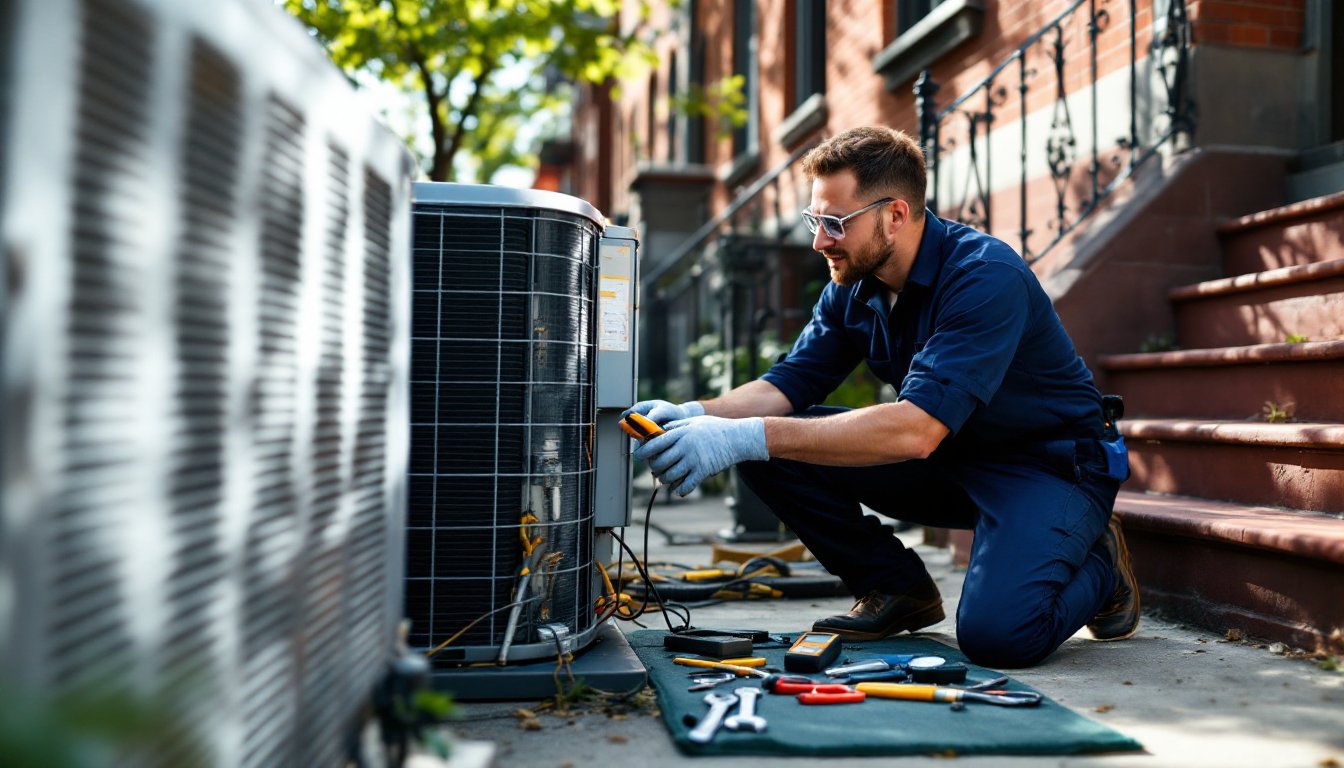
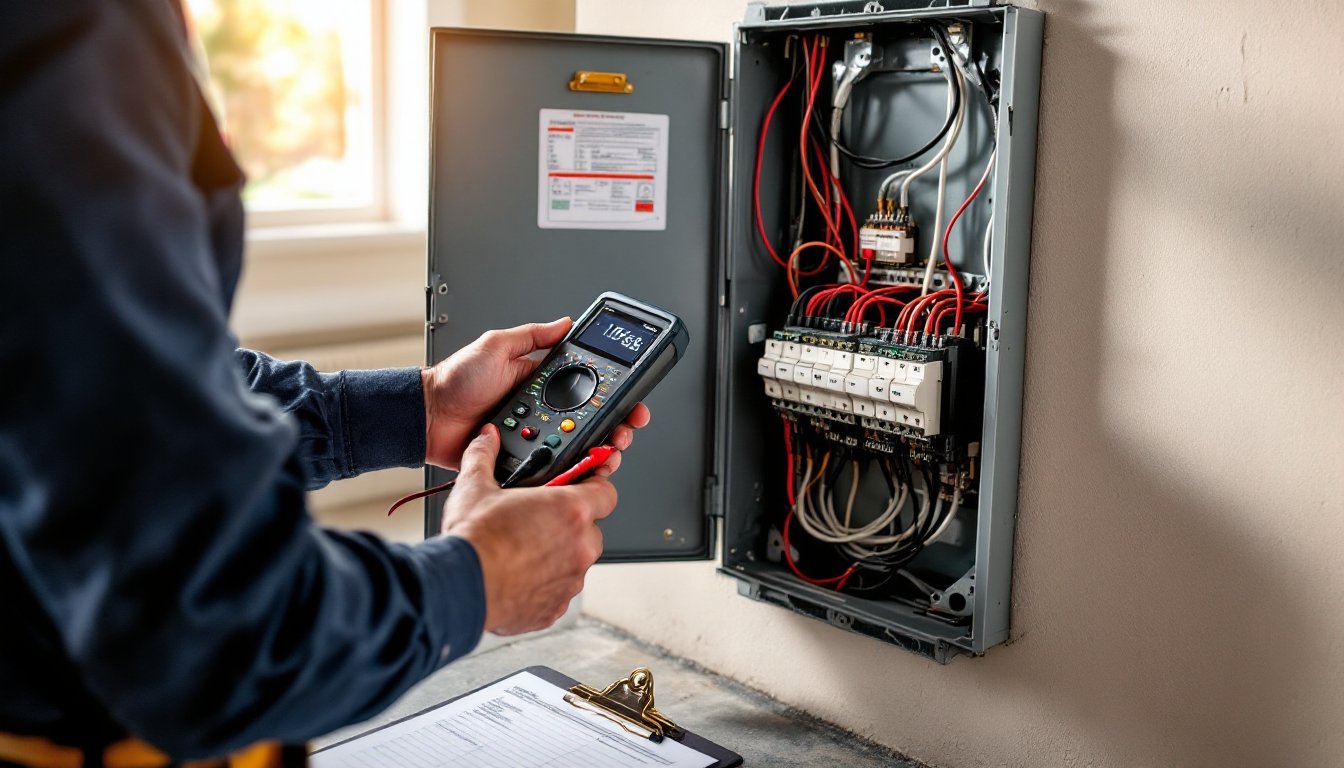
- Electrical connection inspection: Loose terminals cause arcing and component failure. Technicians tighten connections and measure voltage/amperage at the contactor, capacitor, and compressor.
- Condensate drain clearing: Algae and mold clog drain lines, causing water damage. Technicians flush lines with vinegar or specialized tablets and verify proper drainage slope.
- Thermostat calibration: Drift in thermostat accuracy wastes energy. Technicians compare thermostat readings to a calibrated thermometer and adjust or recommend replacement if needed.
AC-focused visits also include airflow measurement using a manometer or anemometer to ensure ductwork delivers the correct CFM (cubic feet per minute) per ton of cooling, typically 400 CFM per ton.
Fall and Winter Maintenance Tasks
Before heating season, attention shifts to furnaces, boilers, or heat pump heating modes. Core tasks include:
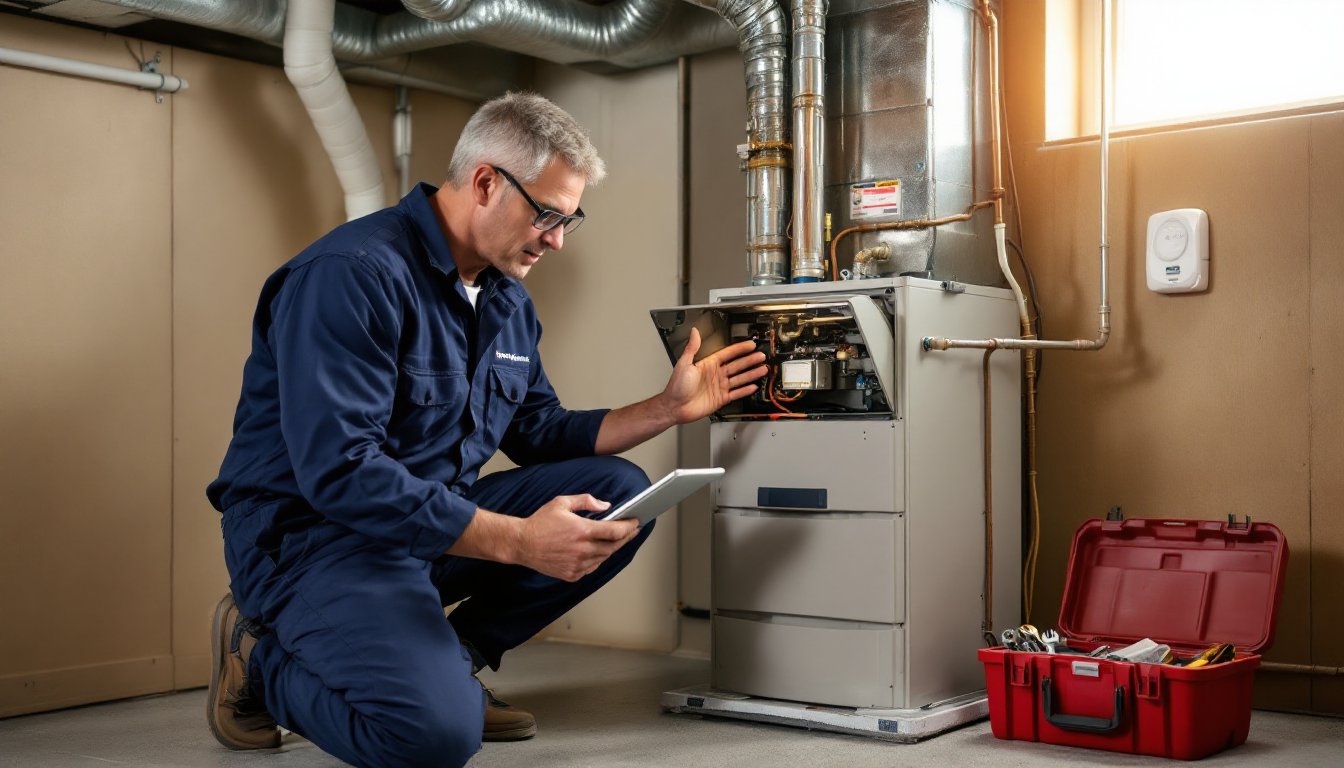
- Heat exchanger inspection: Cracks or rust allow combustion gases into living spaces. Technicians use mirrors and flashlights (or cameras on high-end visits) to examine exchanger surfaces for damage.
- Burner cleaning and adjustment: Soot buildup reduces efficiency and increases carbon monoxide output. Technicians vacuum burner assemblies, check flame color (should be steady blue, not yellow or orange), and adjust gas pressure to manufacturer specs.
- Blower motor and belt check: Belt-driven blowers need tension adjustment: worn belts squeal or snap. Direct-drive motors get bearing lubrication (if applicable) and amp draw testing to detect motor degradation.
- Flue and venting inspection: Blocked flues cause backdrafting. Technicians verify draft pressure, check for obstructions (bird nests, debris), and confirm proper clearance from combustibles per IRC G2426.
- Safety control testing: Limit switches, flame sensors, and pressure switches prevent dangerous malfunctions. Technicians simulate failure conditions to verify each control shuts the system down correctly.
Gas furnace visits should include a combustion analysis using a flue gas analyzer to measure CO, CO₂, and excess air. Proper combustion efficiency runs 80-85% for older furnaces, 90-98% for condensing models. Many homeowners use digital checklists to track completed tasks across multiple service visits.
DIY Maintenance Tasks You Can Handle Yourself
Homeowners can perform several tasks between professional visits, reducing service frequency and catching obvious problems early. These jobs don’t require EPA certification or specialized gauges.
Filter replacement is the highest-impact DIY task. Standard 1-inch fiberglass filters need monthly replacement: 4-inch pleated filters last 3-6 months. Check the actual filter size (often printed on the frame edge), nominal sizes like 16×20 may actually measure 15.5×19.5 inches. Dirty filters are the leading cause of no-heat and no-cool calls.
Outdoor unit care prevents airflow restrictions. Clear leaves, grass clippings, and debris from around the condenser. Maintain 24 inches of clearance on all sides. Trim shrubs back and remove anything stored against the unit. Hose off the coil fins gently once per season, spray from inside out to push debris away from the core.
Condensate line maintenance stops overflow damage. Pour 1/4 cup white vinegar or a condensate pan tablet into the drain pan monthly during cooling season. This prevents algae growth that clogs lines. If the line has a clean-out tee, flush it with a wet/dry vacuum to clear minor blockages.
Thermostat battery replacement applies to battery-powered models. Replace batteries annually before heating season. Low batteries cause erratic behavior or complete shutdown. Even hardwired thermostats with battery backup need fresh cells to retain programming during power outages.
Register and return vent cleaning improves airflow. Vacuum floor registers and cold-air returns monthly. Remove and wash them with dish soap and water twice yearly. Blocked returns starve the system of airflow, causing the heat exchanger to overheat or the evaporator coil to freeze.
Do not attempt refrigerant work, electrical repairs beyond thermostat wiring, or gas line adjustments. Those tasks require licensing and can void warranties or violate local codes. If someone needs ideas for organizing seasonal tasks, maintenance checklists provide structured templates.
Safety note: Always shut off power at the breaker and the equipment disconnect switch before touching any HVAC components. Capacitors store lethal voltage even when the system is off, leave capacitor work to professionals.
How to Choose the Right HVAC Maintenance Plan for Your Home
Not all maintenance plans deliver equal value. Compare contracts on coverage specifics, not just annual price.
Service frequency matters. Basic plans offer one visit per year: better plans provide two (spring and fall). Homes with both heating and cooling systems need seasonal attention for each. Single-visit plans often skip one system entirely or only inspect it superficially.
Parts and labor coverage varies widely. Some plans include discounts on replacement parts (10-20% off): others waive diagnostic fees or offer priority emergency service. High-tier plans may cover minor parts like contactors, capacitors, or igniters at no charge. Read what’s excluded, most plans don’t cover ductwork repairs, thermostat replacement, or structural issues like cracked heat exchangers.
Transferability and contract terms affect long-term value. Month-to-month agreements offer flexibility but cost more per visit than annual prepay contracts. Multi-year plans lock in pricing but tie the homeowner to one contractor. Check if the plan transfers to a new owner if selling the home, transferable plans can be a selling point.
Contractor reputation trumps price. A cheap plan from an unlicensed technician or fly-by-night company is worthless. Verify the contractor holds appropriate state HVAC licenses, carries liability insurance, and employs NATE-certified technicians. Check reviews on HomeAdvisor and local Better Business Bureau ratings. Ask neighbors or local building inspectors for recommendations.
System age and condition influence plan value. Newer systems under warranty may only need basic plans to satisfy warranty requirements. Older systems (10+ years) benefit from comprehensive plans that catch wear before breakdowns. If a system is 15+ years old and showing issues, putting money toward replacement instead of a premium maintenance plan might make more financial sense.
DIY capability should factor in. Homeowners comfortable with filter changes, coil rinsing, and basic troubleshooting can opt for lower-tier plans and handle routine tasks themselves. Those who prefer hands-off service or lack confidence with mechanical systems benefit from full-service agreements. Comparing different maintenance plan structures helps identify what tasks someone can realistically handle versus what requires professional expertise.
Get quotes from at least three contractors. Ask for a detailed list of what each visit includes, generic “tune-up” descriptions hide gaps in service. Compare apples to apples: same number of visits, same systems covered, same parts/labor terms. Beware of extremely low bids that skip essential tasks like combustion analysis or refrigerant checks.
Finally, track all service records. Keep invoices, technician notes, and photos of completed work. Documentation proves warranty compliance and helps diagnose recurring issues. Many contractors now use digital service tracking, but homeowners should maintain their own copies. Resources like Today’s Homeowner offer seasonal checklists and maintenance schedules to supplement professional service.
A well-chosen maintenance plan delivers reliable comfort, lower energy bills, and fewer emergency breakdowns. The key is matching the plan to the home’s specific equipment, the homeowner’s skill level, and realistic long-term budgeting.