Sacramento’s 300-plus sunny days and hot, dry summers put heat pumps through their paces. Unlike conventional HVAC systems, these dual-duty units run year-round, cooling homes when temperatures hit 100°F and handling the occasional chilly winter night. That constant workload makes routine maintenance non-negotiable. Neglect a heat pump in this climate, and efficiency drops, energy bills climb, and expensive repairs follow. This guide walks Sacramento homeowners through the maintenance tasks they can handle themselves, when to call a pro, and what to budget for keeping a heat pump running smoothly in California’s Central Valley heat.
Table of Contents
ToggleKey Takeaways
- Heat pump maintenance in Sacramento is essential due to the region’s 300+ sunny days and extreme heat, as neglected systems lose 5% efficiency annually and can waste $200-$400 extra in cooling costs.
- DIY maintenance tasks like monthly filter changes, quarterly outdoor unit clearing, and twice-yearly coil cleaning cost just $50-$100 annually and keep your system running at peak efficiency.
- Schedule professional heat pump service annually in spring before cooling season, and call immediately if you notice short-cycling, frozen coils, strange noises, or unexpected energy bill spikes.
- Common Sacramento issues like dust buildup, refrigerant leaks from thermal cycling, and premature capacitor failure in hot attics can be prevented through regular inspection and proactive maintenance.
- Regular heat pump maintenance delays costly replacement by 3-5 years, making the $120-$200 annual professional tune-up a smart investment compared to $5,000-$12,000 in system replacement.
Why Regular Heat Pump Maintenance Matters in Sacramento’s Climate
Sacramento’s Mediterranean climate creates unique demands. Summer afternoons regularly exceed 95°F from June through September, forcing heat pumps into cooling mode for extended periods. The dry air carries Valley dust, pollen from agricultural areas, and particulates from wildfire smoke, all of which clog filters and coat outdoor coils.
A well-maintained heat pump operates at 95% of its rated efficiency. Skip maintenance, and efficiency drops 5% annually. After three years without service, a unit that should deliver 16 SEER performance might function closer to 13 SEER, wasting 15-20% more electricity. In Sacramento’s scorching summers, that translates to $200-$400 in unnecessary annual cooling costs.
Heat pumps also handle heating during Sacramento’s mild winters, when overnight lows occasionally dip into the 30s. Because they move heat rather than generate it, they’re far more efficient than resistance heating, but only when coils stay clean and refrigerant levels stay optimal. Dirty coils force the compressor to work harder, shortening its lifespan from 15 years to under 10.
Building codes in Sacramento (governed by Title 24 energy standards) increasingly favor heat pumps for new construction and major renovations. Maintaining these systems isn’t just about comfort, it protects a significant home investment and keeps energy costs predictable.
Essential DIY Heat Pump Maintenance Tasks for Sacramento Homeowners
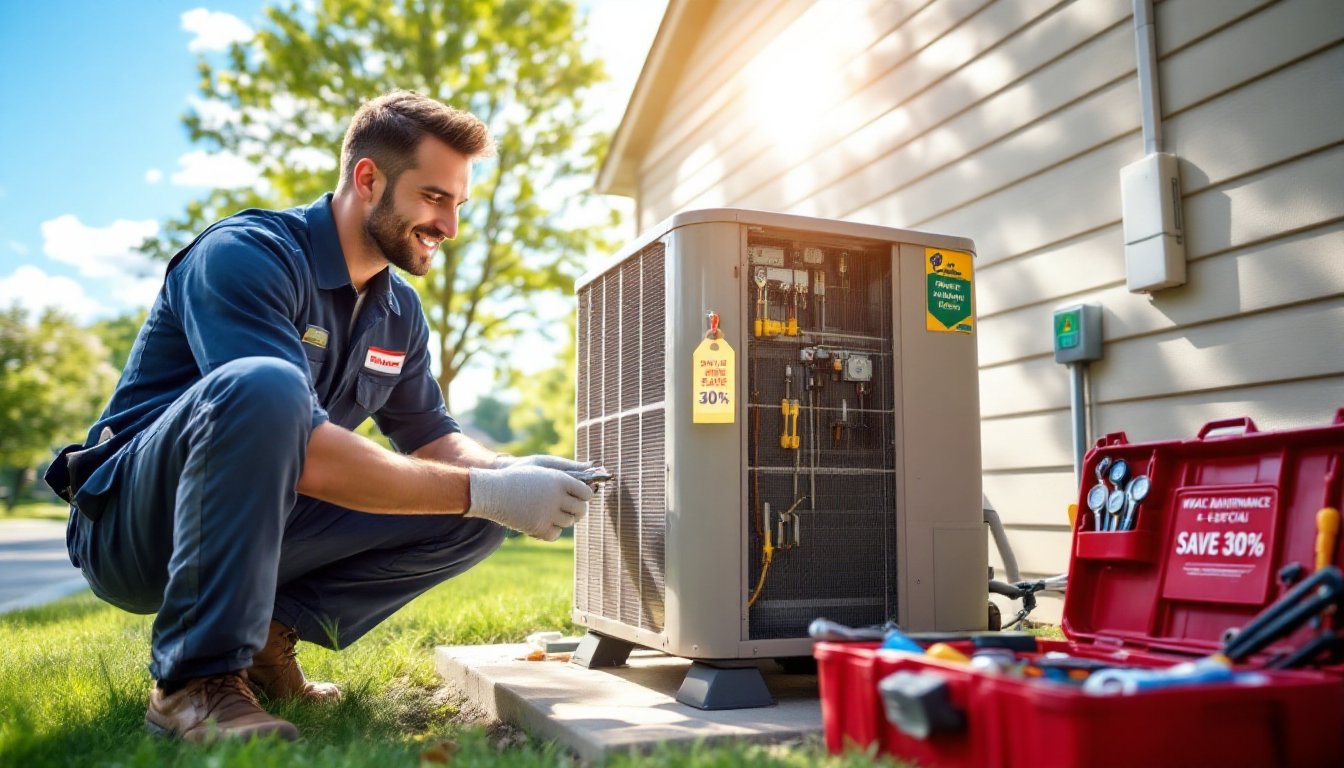
Most heat pump upkeep requires basic tools and an hour of time every few months. Homeowners can handle these tasks without specialized HVAC knowledge, though safety precautions apply.
Safety first: Always shut off power at the breaker before touching any components. Wear safety glasses and work gloves when cleaning outdoor units, coil fins are sharp and can cause nasty cuts.
Monthly and Seasonal Checks
Check and replace air filters every 30-60 days. Sacramento’s dust and wildfire season demand monthly checks from May through October. Use pleated filters rated MERV 8-11 for balanced airflow and particle capture. Higher MERV ratings (13+) can restrict airflow in older systems not designed for them. Filters cost $5-$15 each: mark your calendar or set a phone reminder.
Inspect the outdoor unit quarterly. Clear leaves, cottonwood fluff, grass clippings, and debris from around the condenser. Maintain 24 inches of clearance on all sides for proper airflow. Trim back shrubs and remove any items stored near the unit. Sacramento’s tree-lined neighborhoods and agricultural surroundings mean outdoor coils collect more organic debris than urban areas.
Clean condenser coils twice yearly, once before cooling season (late April) and once after (October). Turn off power, then gently spray coils from inside-out using a garden hose with a spray nozzle. Avoid pressure washers: they bend the fragile aluminum fins. For stubborn buildup, use a coil cleaner designed for HVAC systems (about $12-$18 per bottle). Spray on, let it foam for 10 minutes, then rinse thoroughly.
Straighten bent coil fins with a fin comb ($8-$15 at hardware stores). These inexpensive tools have multiple teeth spacings to match different fin densities (typically 10-20 fins per inch on residential units). Gently comb vertically to restore airflow.
Check the condensate drain line during cooling season. Heat pumps in cooling mode produce condensation that drains through a PVC line, usually routed to a floor drain or outdoors. Pour a cup of diluted bleach (1 part bleach to 10 parts water) down the drain line every three months to prevent algae buildup. If the drain pan has standing water or you notice leaks, the line may be clogged, a shop vac can clear minor blockages.
Inspect thermostat operation monthly. Programmable and smart thermostats save 10-15% on energy costs when used correctly. Replace batteries annually (typically in spring before heavy cooling starts). Many modern heat pumps integrate with platforms covered by smart home technology, allowing remote monitoring and automated scheduling tailored to Sacramento’s temperature swings.
When to Schedule Professional Heat Pump Service in Sacramento
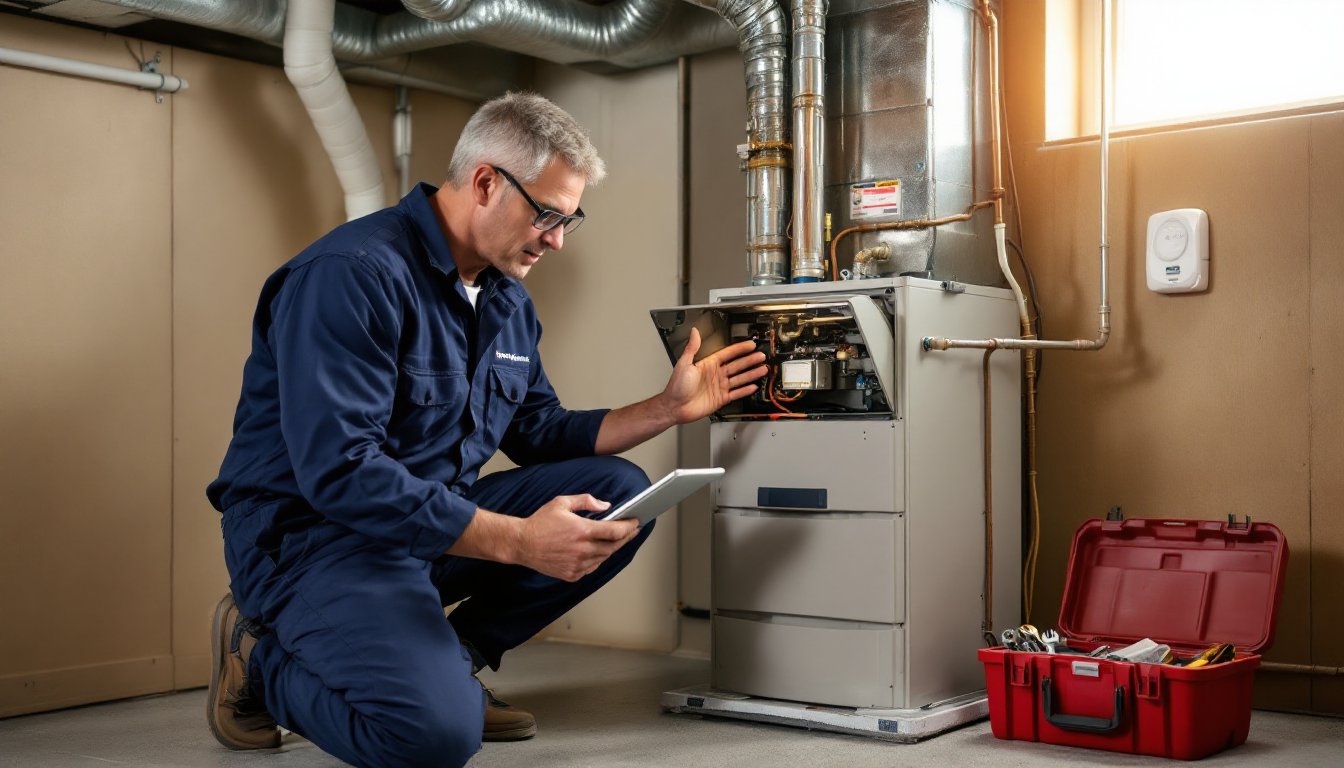
DIY maintenance handles the basics, but professional service addresses what homeowners can’t see or safely access. Schedule a tune-up annually, ideally in early spring (March or April) before Sacramento’s cooling season hits full force.
Professional service includes refrigerant level checks. Heat pumps use R-410A refrigerant (or newer R-32 in recent models), and levels must match manufacturer specs precisely. Low refrigerant signals a leak, which DIYers can’t legally repair, EPA regulations require certified technicians to handle refrigerant. Undercharged systems run constantly, waste energy, and risk compressor damage.
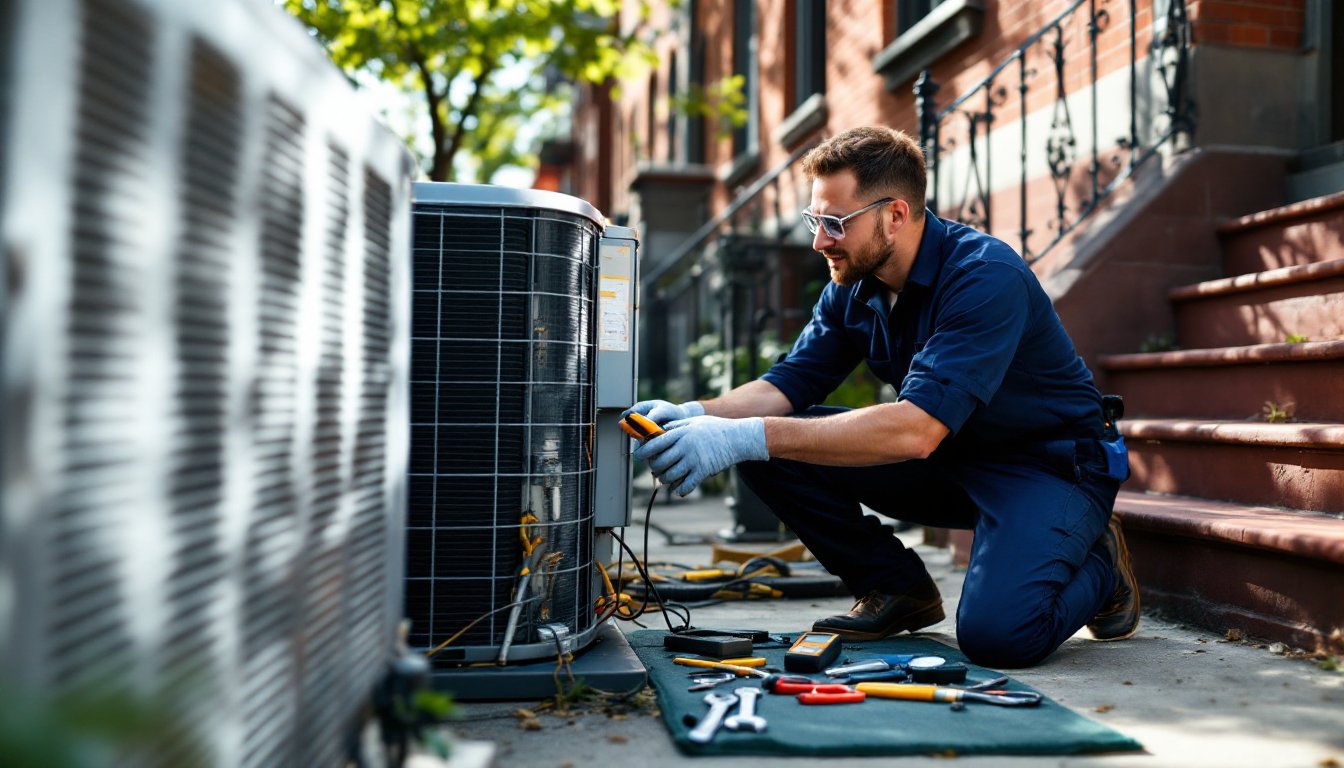
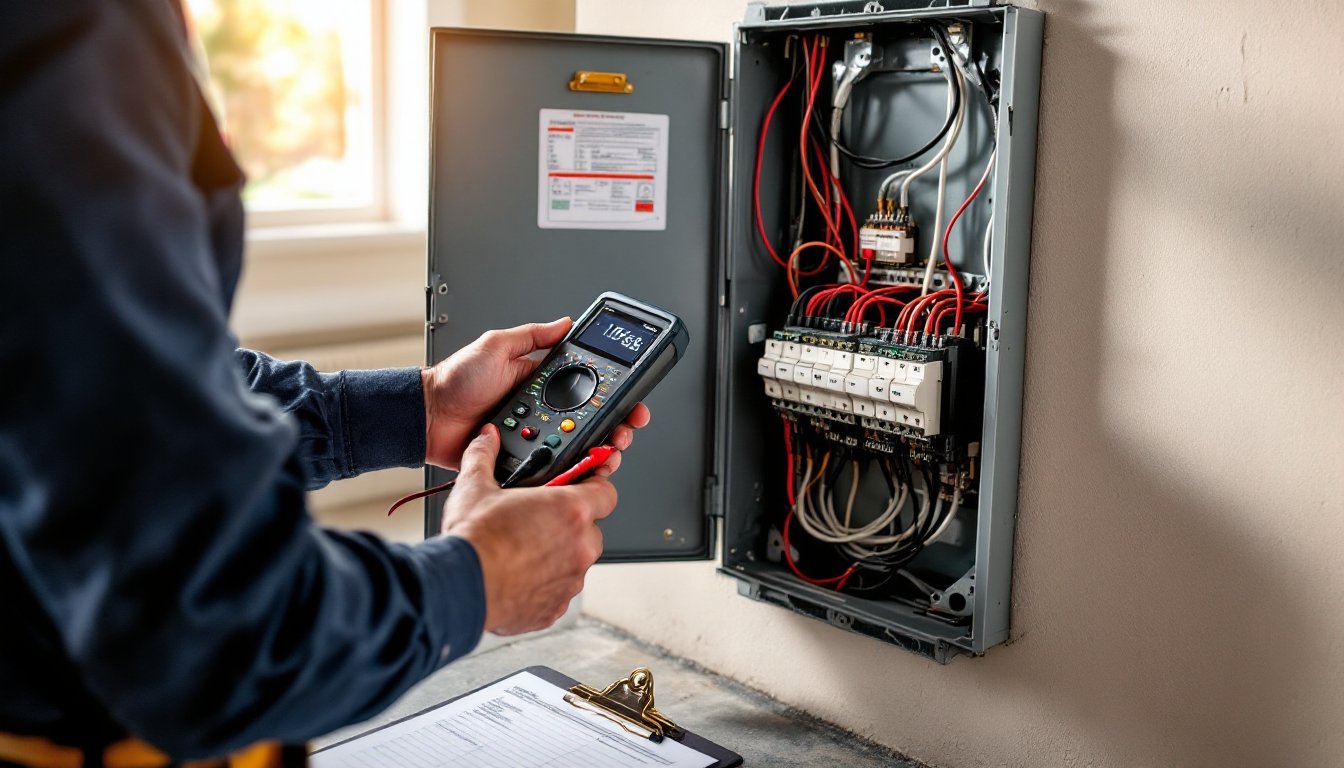
Techs also measure airflow and static pressure across the indoor coil. Restricted airflow from dirty coils or undersized ductwork reduces efficiency and comfort. They’ll check electrical connections, test capacitors (which help start the compressor and fan motors), and measure amp draw on motors. Failing capacitors are a leading cause of no-cool calls during Sacramento’s first 100°F day, catching them early costs $150-$250 versus $800-$1,200 for emergency compressor replacement.
Call a professional immediately if:
- The unit cycles on and off every few minutes (short-cycling)
- Ice forms on the outdoor coil during cooling mode
- Strange noises emerge (grinding, squealing, or banging)
- Airflow from registers drops noticeably
- Energy bills spike without increased usage
- The unit runs constantly but doesn’t cool adequately
Heat pumps require specialized knowledge. While homeowners can clean coils and change filters, anything involving refrigerant, electrical diagnostics, or internal components demands a licensed HVAC contractor. Sacramento’s summer heat makes a broken heat pump urgent, waiting days for DIY trial-and-error wastes money and comfort. Reputable contractors found through home service provider reviews typically offer emergency service and transparent pricing.
Common Heat Pump Issues in Sacramento and How to Prevent Them
Sacramento’s specific climate challenges lead to predictable failure patterns. Recognizing symptoms early prevents bigger problems.
Dust and debris buildup tops the list. The outdoor unit sits at ground level, exposed to lawn mowing, agricultural dust blown in from surrounding farmland, and cottonwood seeds in spring. A clogged condenser coil reduces airflow, causing the compressor to overheat and trip its safety limit. Prevention: Clean coils before and after cooling season, and hose down the unit after any major windstorm.
Refrigerant leaks often develop at connection points subjected to thermal cycling. Sacramento’s 40-50°F temperature swings between day and night cause metal to expand and contract repeatedly. Over years, this fatigues joints and causes pinhole leaks. Prevention: Annual professional inspections catch small leaks before refrigerant levels drop enough to damage the compressor.
Failing reversing valves plague heat pumps in climates with heavy cooling use. The reversing valve switches refrigerant flow direction between heating and cooling. Sacramento systems spend 70-80% of their annual runtime in cooling mode, cycling the valve thousands of times. Prevention: None, this is wear-and-tear. Budget for replacement after 10-12 years ($400-$700 installed).
Thermostat issues cause more service calls than actual equipment failure. Incorrect settings, dead batteries, or poor placement (near windows or heat sources) make systems run inefficiently. Many homeowners consult contractor matching services to verify proper thermostat installation when upgrading to smart models. Prevention: Read the manual, set appropriate temperature differentials (2-3°F), and replace batteries annually.
Frozen coils in cooling mode result from low refrigerant, blocked airflow, or running the system when outdoor temps drop below 60°F. Sacramento nights in spring and fall can dip into the 50s while days still hit 80°F, homeowners sometimes leave cooling mode on overnight. Prevention: Use programmable schedules, change filters regularly, and don’t run cooling if nighttime temps fall below 60°F.
Electrical component failure accelerates in hot attics and garages where air handlers often live. Sacramento attics reach 130-150°F in summer. Capacitors, control boards, and contactors rated for 105°F ambient temps fail prematurely in extreme heat. Prevention: Ensure adequate attic ventilation, consider relocating air handlers during major renovations, and replace capacitors proactively every 7-10 years.
Cost of Heat Pump Maintenance in Sacramento: What to Expect
Maintenance costs in Sacramento align with California’s higher labor rates and cost of living, but remain far cheaper than emergency repairs or premature replacement.
DIY maintenance runs $50-$100 annually for supplies: filters ($30-$60/year at monthly changes), coil cleaner ($12-$18), bleach for drain lines ($5), and occasional fin combs or tools ($10-$20). Budget an hour per month during peak season for filter changes and visual checks, plus 2-3 hours twice yearly for coil cleaning.
Professional tune-ups cost $120-$200 in the Sacramento area for a single heat pump system. This includes filter replacement, coil cleaning, refrigerant check, electrical testing, and performance measurements. Many contractors offer annual service agreements ($150-$300/year) that include one or two tune-ups plus discounts on repairs, worthwhile for homeowners who prefer hands-off maintenance.
Repair costs vary widely. Common fixes in Sacramento include:
- Capacitor replacement: $150-$250
- Contactor replacement: $100-$200
- Refrigerant leak repair and recharge: $400-$1,200 (depending on leak location and refrigerant quantity)
- Reversing valve replacement: $400-$700
- Fan motor replacement: $300-$600
- Compressor replacement: $1,500-$3,000 (often makes more sense to replace the entire outdoor unit)
Emergency service adds $100-$200 to any repair, and Sacramento summers make “no cooling” an emergency for most families. Avoid this premium by catching problems during scheduled maintenance.
Regional factors affect Sacramento pricing. Higher housing costs and contractor demand during peak season (May-August) can push prices up 10-20% compared to winter rates. Coastal California cities (San Francisco, Los Angeles) typically charge 15-25% more than Sacramento for identical services. Rural areas east of the city may offer slightly lower rates but fewer contractor options.
Compare costs to replacement: A new heat pump system runs $5,000-$12,000 installed, depending on size, efficiency rating, and ductwork condition. Regular maintenance extends equipment life from 12-15 years to 15-18 years. Spending $200 annually on maintenance delays a $10,000 replacement by 3-5 years, an excellent ROI.
Conclusion
Heat pump maintenance in Sacramento isn’t optional, it’s protection for a major home system working overtime in a demanding climate. Monthly filter checks, seasonal coil cleaning, and annual professional service keep efficiency high and breakdowns rare. The work isn’t complicated, the tools are inexpensive, and the payoff, lower bills, consistent comfort, and a system that lasts 15+ years, beats emergency repairs every time. Mark the calendar, stock up on filters, and give that outdoor unit the attention it deserves before the next 100-degree day arrives.