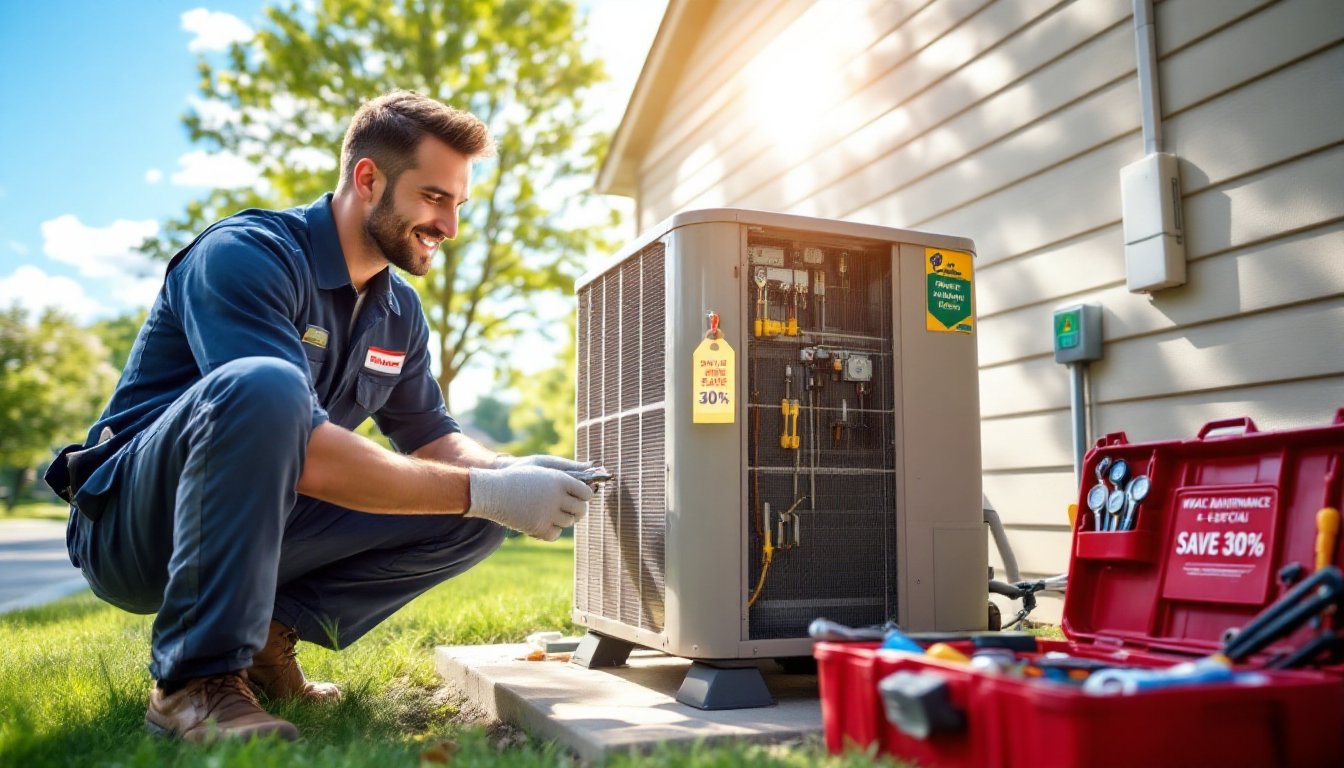
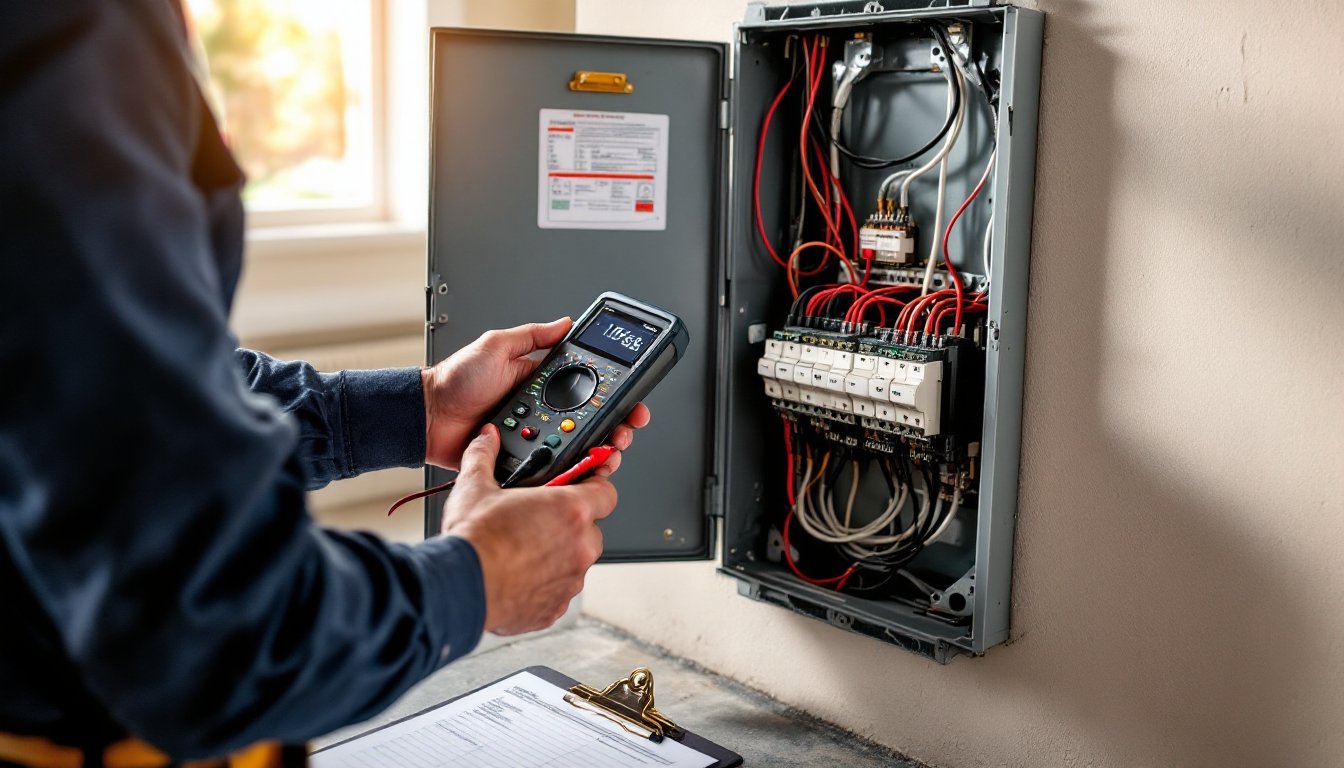
Maintenance checklists tools help teams track, schedule, and complete preventive maintenance tasks without missing critical steps. These digital solutions replace paper-based systems with organized, accessible workflows that reduce equipment failures and unplanned downtime.
Whether a facility manages HVAC systems, production machinery, or vehicle fleets, the right maintenance checklist software keeps operations running smoothly. This guide covers what these tools do, which features matter most, and how to select the best option for any team.
Table of Contents
ToggleKey Takeaways
- Maintenance checklists tools replace paper-based systems with digital workflows that reduce equipment failures and unplanned downtime.
- Mobile accessibility and offline functionality are essential features for technicians working in the field or remote locations.
- Automated scheduling ensures preventive maintenance tasks happen on time without manual tracking or reminders.
- Digital maintenance checklists tools improve accountability by logging who completed each task with timestamps and notes.
- Organizations using these tools can reduce unplanned downtime by 25% or more through consistent preventive maintenance.
- Evaluate integration options, mobile experience, and total cost of ownership before selecting maintenance checklist software for your team.
What Are Maintenance Checklist Tools?
Maintenance checklist tools are software applications that guide technicians through routine inspections, repairs, and preventive tasks. They provide step-by-step instructions, ensuring no task gets skipped or forgotten.
These tools store all checklists in one central location. Teams can access them from smartphones, tablets, or desktop computers. When a technician completes an inspection, the system logs the work automatically with timestamps and notes.
Traditional paper checklists create problems. They get lost, damaged, or filled out inconsistently. Digital maintenance checklists tools solve these issues by standardizing procedures across an entire organization.
Most maintenance checklist software integrates with larger Computerized Maintenance Management Systems (CMMS). This connection allows completed checklists to trigger work orders, update asset histories, and generate compliance reports.
Common uses include:
- Daily equipment inspections, Operators verify machines are safe before each shift
- Preventive maintenance routines, Technicians follow scheduled lubrication, filter changes, and calibrations
- Safety walkthroughs, Teams document hazards and confirm safety equipment is functional
- Quality control checks, Production staff verify products meet specifications
Maintenance checklists tools transform scattered inspection processes into consistent, trackable workflows.
Key Features to Look for in Maintenance Checklist Software
Not all maintenance checklists tools offer the same capabilities. Certain features separate basic apps from powerful workflow solutions.
Mobile Accessibility
Technicians work on factory floors, rooftops, and remote sites. The best maintenance checklist tools provide full functionality on mobile devices. Offline access matters too, teams should complete checklists even without an internet connection, with data syncing later.
Customizable Templates
Every facility has unique equipment and procedures. Good software lets teams build custom checklists from scratch or modify existing templates. Fields should support text entries, numeric values, pass/fail options, photo attachments, and signature captures.
Automated Scheduling
Maintenance checklists tools should trigger tasks based on time intervals, meter readings, or condition thresholds. Automated reminders ensure preventive work happens on schedule without manual tracking.
Real-Time Reporting and Analytics
Data from completed checklists reveals patterns. Effective tools generate reports showing completion rates, common failure points, and time spent on tasks. Managers use these insights to improve processes and allocate resources.
Integration Capabilities
Maintenance checklist software should connect with existing systems, CMMS platforms, ERP software, IoT sensors, and inventory management tools. Seamless integration eliminates duplicate data entry and keeps information consistent across platforms.
Audit Trails and Compliance Documentation
Regulated industries need proof that maintenance occurred. Quality maintenance checklists tools create automatic audit trails with timestamps, user identification, and attached photos or notes.
Benefits of Using Digital Maintenance Checklists
Organizations that switch from paper to digital maintenance checklists tools see measurable improvements across several areas.
Reduced Equipment Downtime
Consistent preventive maintenance catches problems before they cause failures. Studies show preventive maintenance programs can reduce unplanned downtime by 25% or more. Digital checklists ensure these programs actually get executed.
Improved Accountability
Every completed checklist includes a record of who did the work and when. This visibility motivates technicians to follow procedures carefully. Managers can identify training needs when specific tasks show frequent issues.
Faster Onboarding for New Technicians
Detailed checklists guide inexperienced workers through unfamiliar tasks. Instead of relying on tribal knowledge, new hires follow documented procedures from day one. This reduces errors and speeds up the learning curve.
Better Compliance and Audit Readiness
Industries like food processing, pharmaceuticals, and aviation require documented proof of maintenance activities. Maintenance checklists tools automatically generate the records auditors need. No more scrambling to locate paper forms before an inspection.
Data-Driven Decision Making
Paper checklists sit in filing cabinets, rarely analyzed. Digital maintenance checklists tools aggregate data across all inspections. Managers spot trends, like a pump that fails inspections repeatedly, and make informed decisions about repairs or replacements.
Cost Savings
Less downtime means higher productivity. Catching issues early prevents expensive emergency repairs. Better compliance avoids regulatory fines. These savings often exceed the cost of maintenance checklist software within the first year.
How to Choose the Right Tool for Your Team
Selecting maintenance checklists tools requires matching software capabilities to team needs. A few practical steps help narrow the options.
Assess Current Pain Points
Identify what’s broken in the existing process. Are checklists getting lost? Do technicians skip steps? Is reporting slow or inaccurate? The right tool should directly address these specific problems.
Consider Team Size and Technical Skill
Small teams may need simple, affordable tools with minimal setup. Larger organizations often require advanced features like role-based permissions, multi-site management, and enterprise integrations. Pick software that matches the team’s technical comfort level.
Evaluate Mobile Experience
Test how the tool works on smartphones and tablets. Clunky mobile interfaces frustrate technicians and reduce adoption. The app should load quickly, display clearly on small screens, and function offline.
Check Integration Options
List the systems already in use, CMMS, ERP, asset tracking, etc. Confirm the maintenance checklist software can connect with these platforms. Native integrations work better than workarounds.
Request a Trial Period
Most vendors offer free trials or demos. Have actual technicians test the software on real tasks. Their feedback reveals usability issues that sales presentations won’t show.
Calculate Total Cost of Ownership
Compare subscription fees, implementation costs, training time, and ongoing support expenses. The cheapest option upfront may cost more over time if it lacks critical features or requires extensive customization.