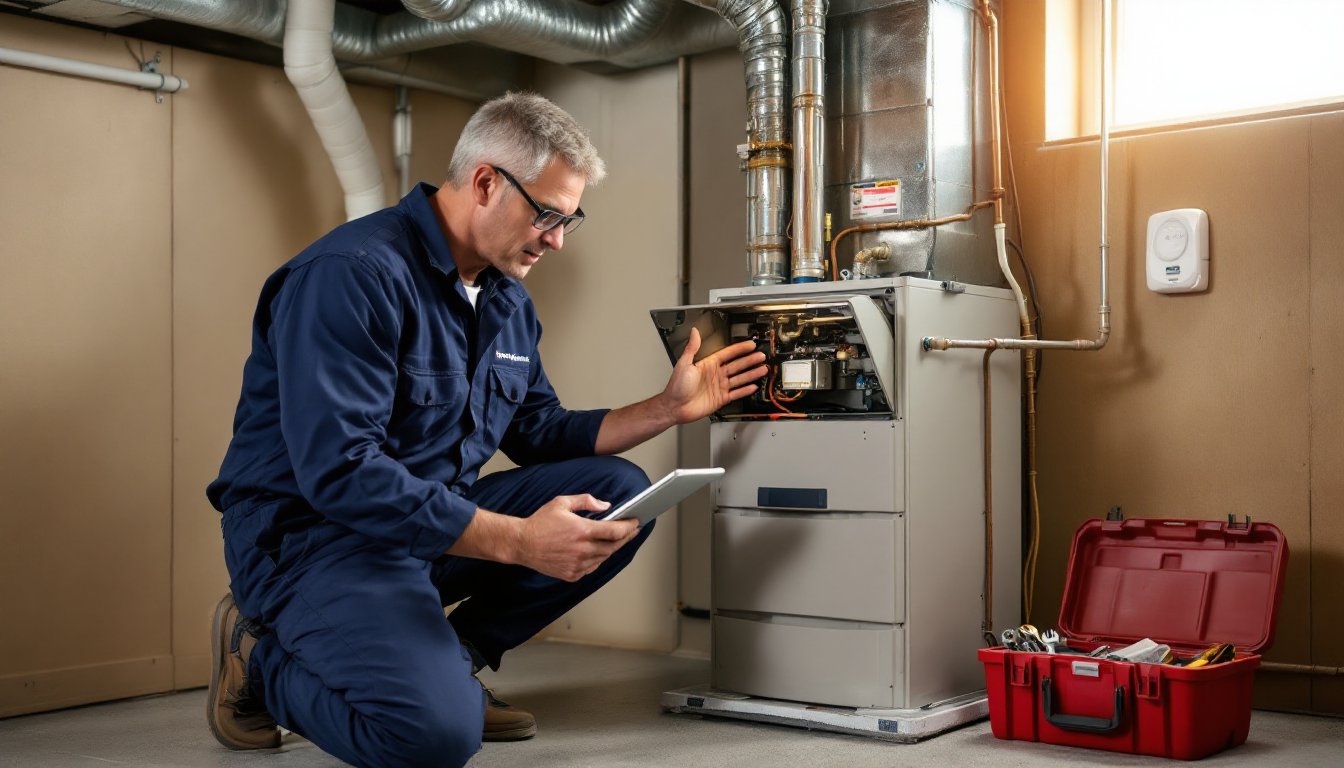
An HVAC system is one of the most expensive, and most critical, components of a home. It keeps a family comfortable through scorching summers and freezing winters. Yet most homeowners treat it like a dishwasher: forget it until it stops working. By then, a $200 repair has become a $5,000 replacement. A preventative maintenance program changes that equation. Instead of reacting to breakdowns, homeowners take control with scheduled inspections, routine cleaning, and minor adjustments that catch small issues before they cascade into major failures. This guide walks through what a maintenance program entails, why it matters, and how to build one that fits the home’s needs and the homeowner’s skill level.
Table of Contents
ToggleKey Takeaways
- An HVAC preventative maintenance program catches small issues before they become costly emergencies, transforming a potential $5,000 replacement into manageable maintenance costs.
- Regular filter changes, outdoor unit cleaning, and condensate drain maintenance are DIY tasks that cost $50–$150 annually and prevent most minor problems from escalating.
- Professional tune-ups twice yearly (spring and fall) verify refrigerant charge, test electrical components, and inspect for safety hazards like carbon monoxide leaks that homeowners cannot detect alone.
- Neglecting HVAC maintenance shortens equipment lifespan by 30% or more and increases energy consumption by 15–25%, wasting $200–$400 annually in electricity or gas.
- A hybrid approach combining DIY maintenance with two professional service visits per year maximizes equipment life, maintains manufacturer warranty coverage, and keeps repair costs predictable.
What Is an HVAC Preventative Maintenance Program?
An HVAC preventative maintenance program is a scheduled approach to inspecting, cleaning, and tuning heating, ventilation, and air conditioning equipment before problems develop. Think of it as the equivalent of changing oil in a car, regular attention that extends equipment life and prevents costly breakdowns.
The program includes tasks performed by the homeowner (filter changes, coil cleaning) and professional technician visits (refrigerant checks, electrical testing, combustion analysis). Some homeowners build their own schedules using maintenance checklists to track tasks. Others sign up for annual service contracts with HVAC companies that include spring and fall tune-ups.
A typical program addresses both the furnace or heat pump and the air conditioning system. It covers the air handler, condensing unit, ductwork, thermostat, and safety controls. The goal is consistent: identify wear, correct inefficiencies, and replace components on a planned schedule rather than during an emergency service call at 2 a.m. in July.
Why Your Home Needs a Preventative Maintenance Plan
Skipping maintenance shortens equipment lifespan by 30% or more. A well-maintained furnace or AC unit can last 15 to 20 years. Neglected systems often fail before their tenth birthday.
Energy efficiency degrades quietly. A dirty evaporator coil or clogged filter forces the system to work harder, increasing energy consumption by 15% to 25%. Over a year, that’s $200 to $400 in wasted electricity or gas, enough to pay for several professional tune-ups.
Safety matters, especially with combustion equipment. Furnaces with cracked heat exchangers or improperly vented flue pipes can leak carbon monoxide. Annual inspections catch these issues before they threaten occupants. Gas leaks, electrical shorts, and refrigerant leaks also pose risks that only trained eyes spot early.
Warranty compliance is often overlooked. Many manufacturers require proof of annual professional maintenance to honor warranty claims. A $1,500 compressor replacement might not be covered if the homeowner can’t produce service records.
Finally, consistent maintenance reduces the likelihood of breakdowns during peak demand, when HVAC contractors are slammed and replacement parts are backordered. A July heatwave is not the time to discover the blower motor is shot.
Essential Components of an Effective HVAC Maintenance Program
Seasonal Maintenance Tasks You Can Do Yourself
Homeowners can handle several routine tasks without specialized tools or training. Doing these consistently prevents most minor issues from escalating.
Filter replacement is the single most important DIY task. Check filters monthly, especially during heavy use seasons. Standard 1-inch pleated filters should be swapped every 30 to 90 days depending on household conditions (pets, allergies, construction dust). Thicker 4-inch media filters last 6 to 12 months. Mark filter changes on a calendar or set phone reminders.
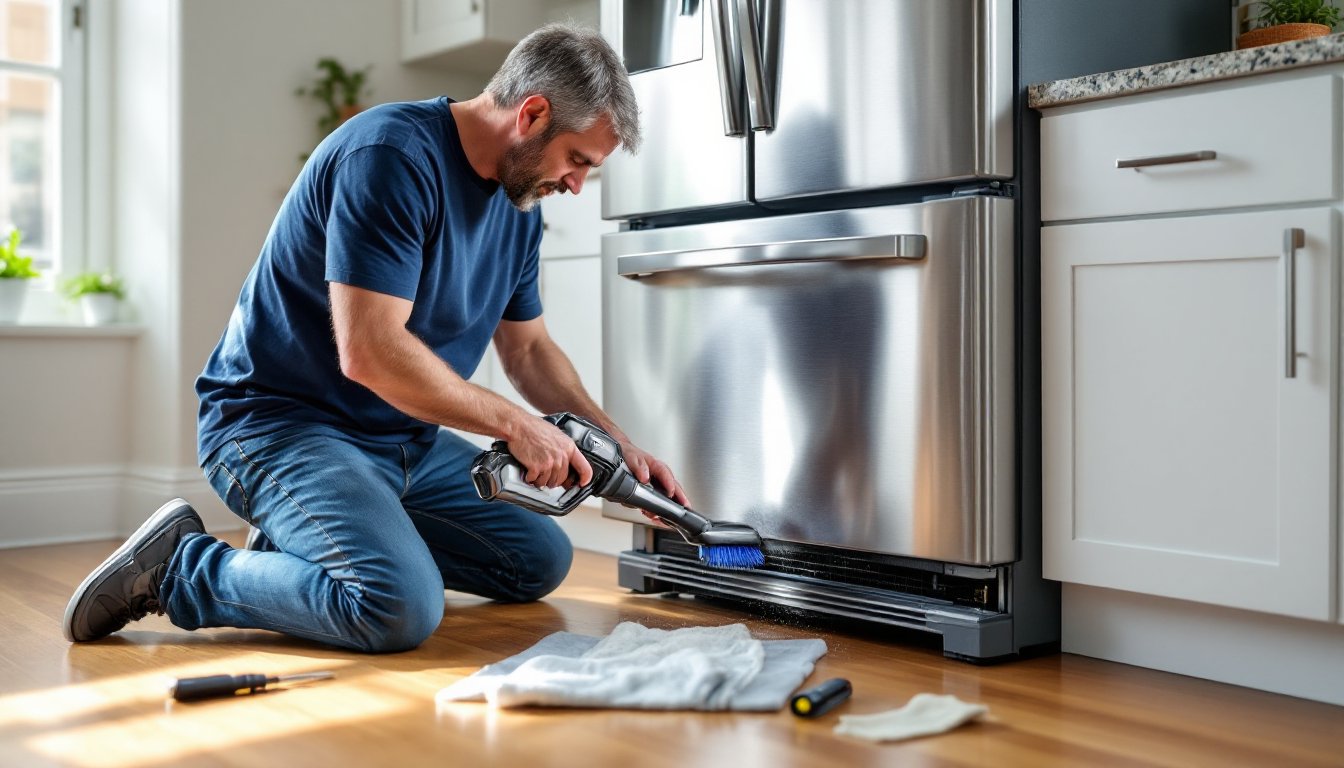
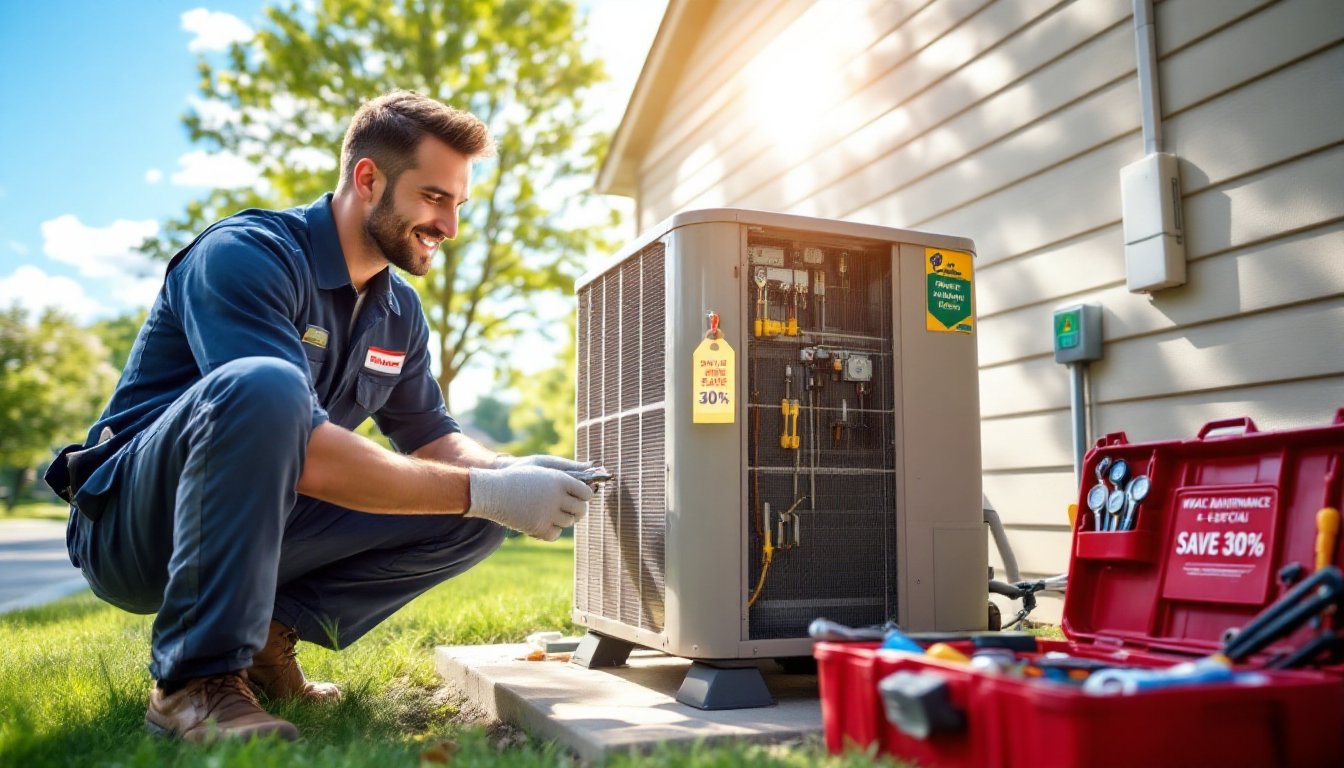
Outdoor condenser unit cleaning should happen twice a year. Turn off power at the disconnect box, then use a garden hose (not a pressure washer, which can bend fins) to rinse debris from the coil fins. Trim vegetation back at least 2 feet on all sides to maintain airflow. Remove leaves, cottonwood seeds, and grass clippings that accumulate in the base.
Indoor evaporator coil inspection requires removing the access panel on the air handler. If the coil looks dusty or matted, use a soft brush or coil cleaner spray (available at hardware stores). Be gentle, aluminum fins bend easily. Clear the condensate drain line by pouring a cup of white vinegar or a 50/50 bleach-water solution down the drain pan every few months to prevent algae buildup.
Thermostat calibration is simple but often skipped. Place an accurate thermometer next to the thermostat and compare readings. If they differ by more than 2°F, recalibrate following the manufacturer’s instructions, or replace the thermostat if it’s an older mechanical model.
Consult resources like Bob Vila for detailed photo guides on these tasks if it’s the first time tackling them.
Professional Service Requirements
Some tasks require gauges, specialized tools, EPA certification (for refrigerant work), or diagnostic equipment. Attempting these without training can damage equipment or violate federal regulations.
Refrigerant charge verification is a licensed technician’s job. Low refrigerant usually signals a leak, not normal depletion. The tech uses manifold gauges to check subcooling and superheat, then adjusts the charge if needed. DIY refrigerant kits sold at auto parts stores are not suitable for home HVAC systems.
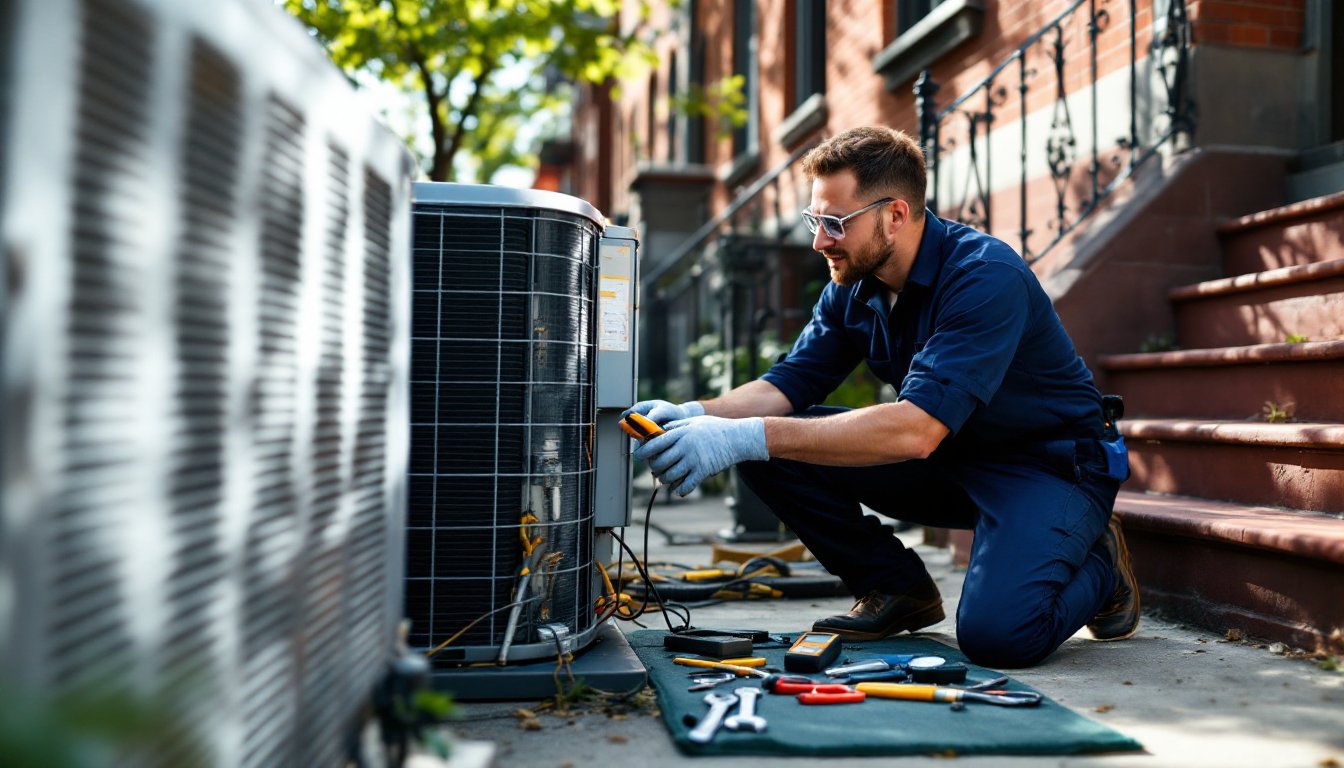
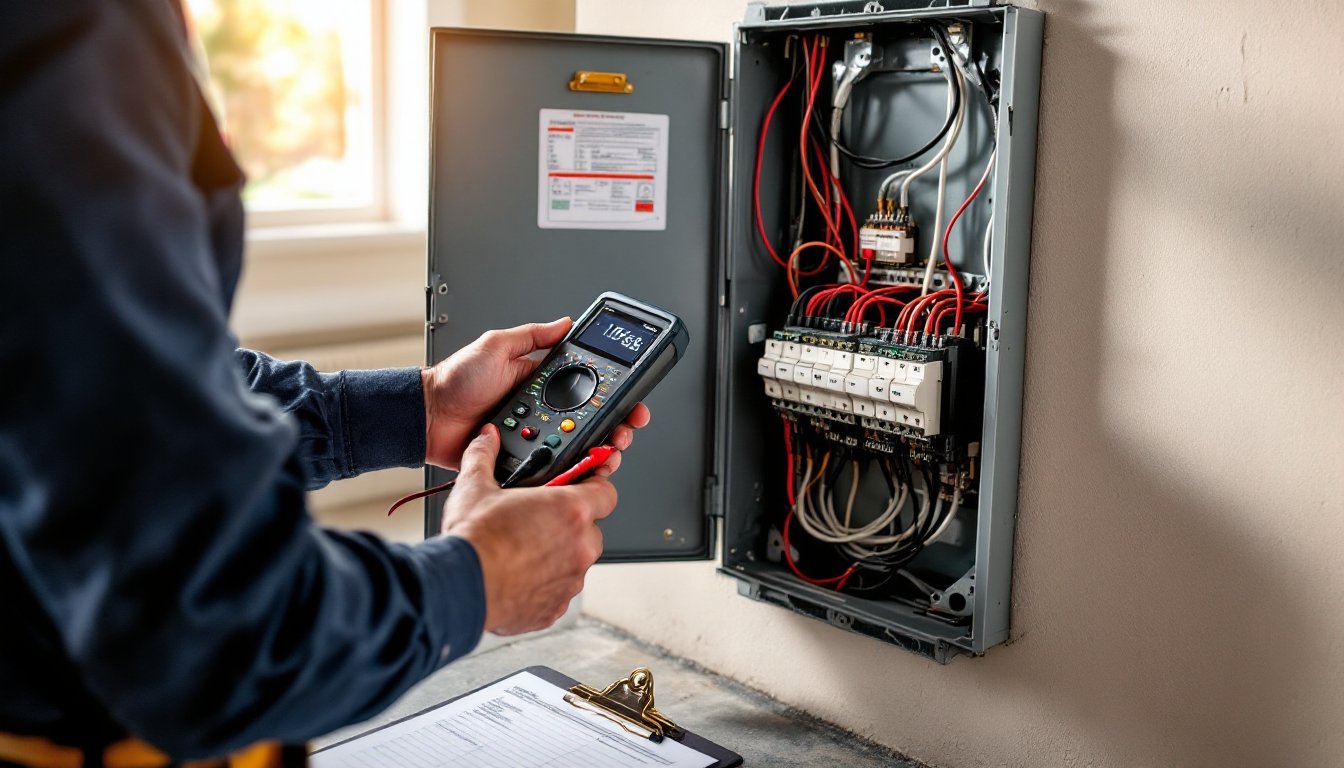
Electrical component testing includes checking capacitors, contactors, relays, and control boards. A failing run capacitor (typically rated 35 to 80 microfarads) causes the compressor or blower motor to overheat and fail. Technicians use a multimeter and capacitance meter to test these components under load.
Combustion analysis on gas furnaces measures flue gas composition to ensure complete combustion and proper venting. The tech checks for carbon monoxide, adjusts the air-fuel mixture, and inspects the heat exchanger for cracks. This is not optional, it’s a safety inspection.
Ductwork inspection identifies leaks, disconnected joints, and poor insulation. Leaky ducts waste 20% to 30% of conditioned air. A blower door test and duct leakage test (measured in CFM25) quantify the problem. Sealing ducts with mastic (not duct tape, which fails) improves efficiency significantly.
Blower motor lubrication and belt tension adjustment (on older belt-drive units) require accessing the air handler’s interior. Technicians also check amp draw on the blower motor to detect bearing wear before the motor seizes.
Most professional HVAC contractors perform these checks during seasonal tune-ups. Expect a spring visit for AC and a fall visit for heating. Each visit typically takes 60 to 90 minutes.
Creating Your Own HVAC Maintenance Schedule
A maintenance schedule doesn’t need to be complicated. Start with a simple spreadsheet or use a home maintenance tracking tool to log tasks and due dates.
Monthly tasks:
- Inspect and replace air filters
- Check thermostat operation
- Listen for unusual noises (grinding, squealing, banging)
Quarterly tasks:
- Clean condensate drain line
- Inspect outdoor unit for debris
- Test safety controls (high-pressure switch, flame sensor)
Spring checklist (before cooling season):
- Schedule professional AC tune-up
- Clean evaporator coil
- Test thermostat in cooling mode
- Inspect refrigerant lines for damage or missing insulation
Fall checklist (before heating season):
- Schedule professional furnace tune-up
- Inspect flue pipe and chimney (if applicable)
- Test carbon monoxide detectors
- Check pilot light or ignitor operation
Annual tasks:
- Replace whole-house humidifier pad (if equipped)
- Inspect ductwork for visible leaks or damage
- Review energy bills for unusual spikes
Set reminders on a phone calendar or tie tasks to seasonal events. “Change the filter when daylight saving time starts” is easier to remember than “change the filter on March 10th.”
Keep a service log with dates, tasks completed, parts replaced, and technician notes. This documentation proves invaluable for warranty claims and helps new HVAC contractors understand the system’s history. Store manuals, wiring diagrams, and equipment spec sheets in a labeled folder near the air handler.
Cost Considerations: DIY vs. Professional Service Plans
Homeowners face a choice: piece together maintenance themselves, pay per visit, or subscribe to an annual service plan.
DIY maintenance costs are minimal. Filters run $5 to $30 each depending on MERV rating. Coil cleaner costs $10 to $15 per can. Condensate drain tablets are around $8 for a year’s supply. Total annual DIY expense: roughly $50 to $150. But, this assumes the homeowner has time, basic tools (screwdrivers, flashlight, garden hose), and comfort working with electrical panels.
Per-visit professional service typically costs $80 to $150 for a tune-up in most markets. That includes a multi-point inspection, cleaning, and minor adjustments. Expect to pay this twice a year, once in spring, once in fall, for a total of $160 to $300 annually. If the technician finds a failing capacitor or worn contactor, parts and labor add another $150 to $300 to the bill.
Annual service plans from HVAC contractors usually cost $150 to $400 per year and include two seasonal visits plus perks like priority scheduling, discounts on repairs (typically 10% to 20% off parts and labor), and waived diagnostic fees. Some plans cover filter delivery every few months. For homeowners who forget maintenance or lack time, these plans make sense.
Break-even analysis: If a service plan costs $250 and includes two tune-ups ($300 value) plus a 15% repair discount, it pays for itself if even one small repair is needed during the year. The real value is peace of mind and extended equipment life.
Manufacturer and utility company rebates sometimes cover maintenance costs. Many power companies offer $50 to $100 annual rebates for enrolling in a maintenance program. Check with the local utility and HVAC contractor for current promotions.
Regardless of approach, the worst option is doing nothing. A $200 annual investment in maintenance can prevent a $1,500 compressor replacement or a $6,000 system swap. Sites like Today’s Homeowner provide detailed breakdowns of typical repair costs and lifespan expectations to help homeowners weigh options.
Bottom line: Combine DIY filter changes and basic cleaning with professional tune-ups twice a year. This hybrid approach maximizes equipment life, maintains efficiency, and keeps repair costs predictable. Keep receipts and service records organized, they’re proof of care that protects the investment and may be required for warranty claims down the road.