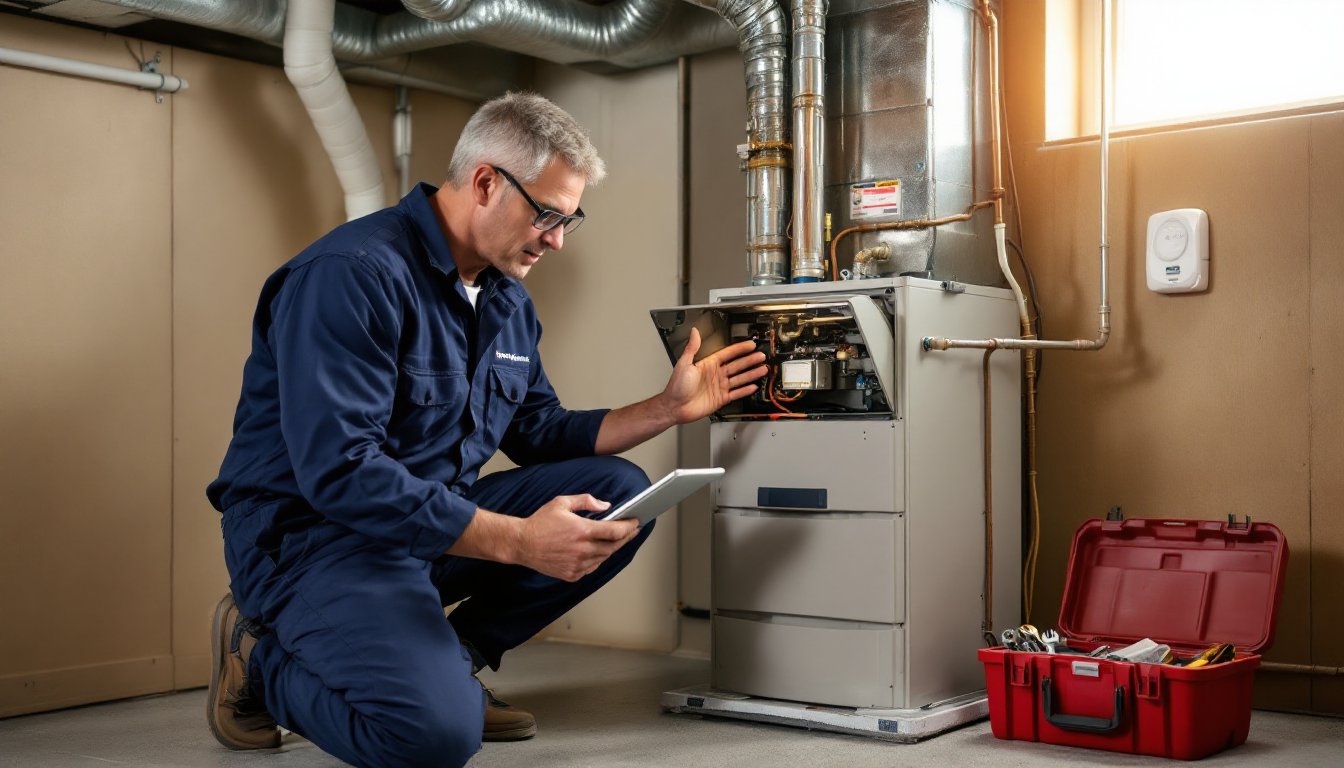
A furnace that quits on the coldest night of the year isn’t just inconvenient, it’s a safety risk and an expensive emergency. Most furnace failures don’t happen out of the blue. They’re the result of months or years of neglected maintenance, clogged filters, and ignored warning signs. The good news? A little consistent attention keeps your system running efficiently, cuts energy bills, and adds years to its lifespan. This guide walks homeowners through the monthly, seasonal, and professional maintenance tasks that prevent breakdowns and keep heating costs in check.
Table of Contents
ToggleKey Takeaways
- Regular furnace maintenance prevents costly breakdowns, improves energy efficiency by up to 5% annually, and protects your manufacturer warranty against expensive repairs.
- Monthly tasks including filter inspections, thermostat accuracy checks, and visual inspections take just 10 minutes and catch small problems before they require emergency service calls.
- A clogged filter is the most critical maintenance item—it restricts airflow and can crack the heat exchanger, so replace standard filters every 30 days and pleated filters every 60-90 days during heating season.
- Schedule an annual professional furnace tune-up in September or October for combustion analysis, heat exchanger inspection, and blower testing, typically costing $80-150 and extending your system’s lifespan to 18-20 years.
- Warning signs like yellow flames, frequent short-cycling, unusual odors, or sudden energy bill increases require immediate professional attention to prevent safety hazards or system failure.
- Consistent furnace maintenance through sealed ductwork, proper airflow management, and documented service history can extend your heating system’s lifespan by 6-10 years compared to neglected units.
Why Year-Round Furnace Maintenance Matters for Homeowners
Furnaces don’t take summers off. Even when they’re not running, dust accumulates, seals dry out, and components settle. Waiting until the first cold snap to check your system is a gamble, you’re hoping nothing failed during months of inactivity.
Regular maintenance catches small problems before they cascade. A dirty flame sensor might cause nuisance shutdowns in October but complete failure by December. A loose blower motor mount creates vibration that wears bearings prematurely. Catching these issues early means a $40 part instead of a $600 service call.
Efficiency matters, too. The U.S. Department of Energy estimates that a neglected furnace can lose 5% efficiency per year. On a $1,200 annual heating bill, that’s $60 wasted the first year, $120 the second, and climbing. Clean filters, calibrated thermostats, and proper airflow keep your system running at its rated AFUE (Annual Fuel Utilization Efficiency).
Consistent care also protects your warranty. Most manufacturers require proof of annual professional maintenance to honor coverage. Skipping tune-ups can void a warranty that would otherwise cover a $1,500 heat exchanger replacement.
Essential Monthly Furnace Maintenance Tasks You Can Do Yourself
Monthly tasks take 10 minutes and prevent most common failures. Set a phone reminder for the first of each month during heating season (October through March in most climates) and check these items.
Visual inspection: Look for water pooling around the base (condensate drain clogs), soot or scorch marks (combustion issues), or rust on the exterior (moisture problems). Any of these requires immediate professional attention.
Thermostat accuracy: Compare the thermostat reading to a standalone thermometer placed nearby. If they’re off by more than 2°F, recalibrate or replace the thermostat. A faulty thermostat causes short-cycling, which wastes energy and stresses components.
Listen for unusual sounds: Normal operation is a soft whoosh and steady blower hum. Grinding, squealing, or banging signals worn bearings, loose hardware, or blower wheel issues.
Filter Checks and Replacement Guidelines
Filters are the single most important maintenance item. A clogged filter restricts airflow, forcing the blower motor to work harder and potentially causing the heat exchanger to overheat and crack, a failure that often means furnace replacement.
Check frequency: Inspect filters monthly during heating season. Homes with pets, smokers, or occupants with allergies need more frequent checks.
Replacement timing: Standard 1-inch fiberglass filters last 30 days. Pleated filters rated MERV 8-11 can go 60-90 days in average conditions. Measure your filter slot before buying, common sizes are 16x20x1, 20x25x1, and 16x25x1, but dozens of sizes exist.
Installation direction: Filters have an airflow arrow printed on the frame. Install with the arrow pointing toward the furnace (away from the return duct). Backward installation reduces effectiveness by 40%.
Avoid washable filters unless you’re committed to monthly cleaning. Most homeowners forget, and a dirty washable filter is worse than a disposable one. If your furnace uses a whole-house filter cabinet with a 4-inch or 5-inch media filter, those typically last 6-12 months but cost $30-60 each.
Seasonal Furnace Maintenance: What to Do and When
Break deeper tasks into seasonal windows to stay ahead of problems without overdoing it.
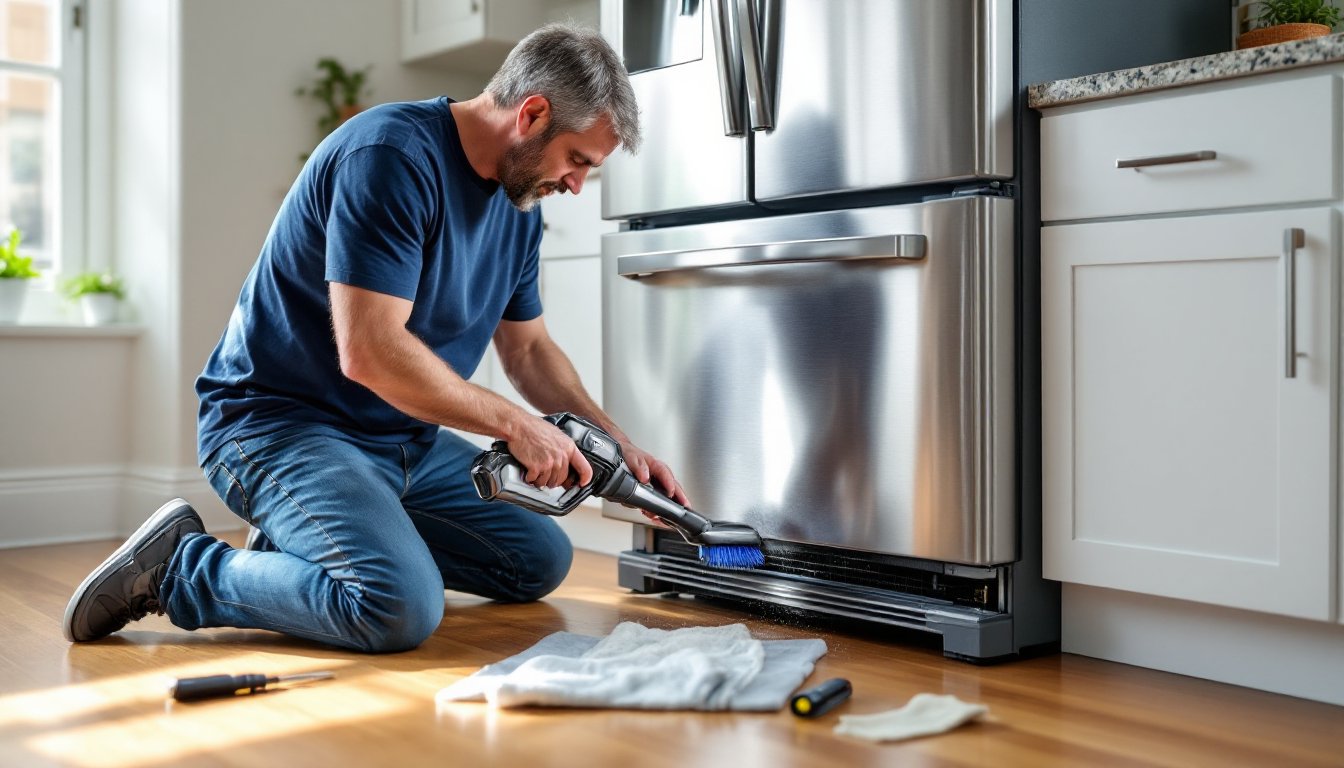
Spring (March-April): After heating season ends, vacuum the blower compartment and surrounding area. Use a shop vac with a brush attachment to remove dust from the blower wheel fins, buildup here reduces airflow and creates imbalance. Check the condensate drain line (on high-efficiency furnaces) by pouring a cup of water mixed with a tablespoon of bleach down the drain to prevent algae growth during dormant months.
Fall (September-October): This is prime time for the annual professional tune-up (covered in the next section). Before the tech arrives, clear the area around the furnace, you need 30 inches of clearance on all sides per most local codes, and it’s a fire hazard to store paint cans or cardboard boxes nearby. Test your smoke and carbon monoxide detectors: replace batteries even if they seem fine.
Winter (December-January): Mid-season check-in. Inspect your outdoor intake and exhaust vents (on high-efficiency models with PVC pipes through the wall). Snow, ice, or bird nests can block these pipes, causing the furnace to shut down or vent exhaust into the home, a serious carbon monoxide risk. Brush away any obstructions and ensure pipes slope downward to drain condensation.
Summer (June-August): If you have a humidifier attached to your furnace, turn off its water supply and clean the panel or drum. Mineral deposits reduce effectiveness and can harbor mold. Check the furnace’s pilot light area (on older standing-pilot models) for dust accumulation.
Professional Furnace Tune-Ups: When to Call the Experts
Some tasks require specialized tools, gauges, and training. Schedule an annual tune-up every fall, ideally in September or early October before HVAC companies get slammed with emergency calls.
What a professional inspection includes:
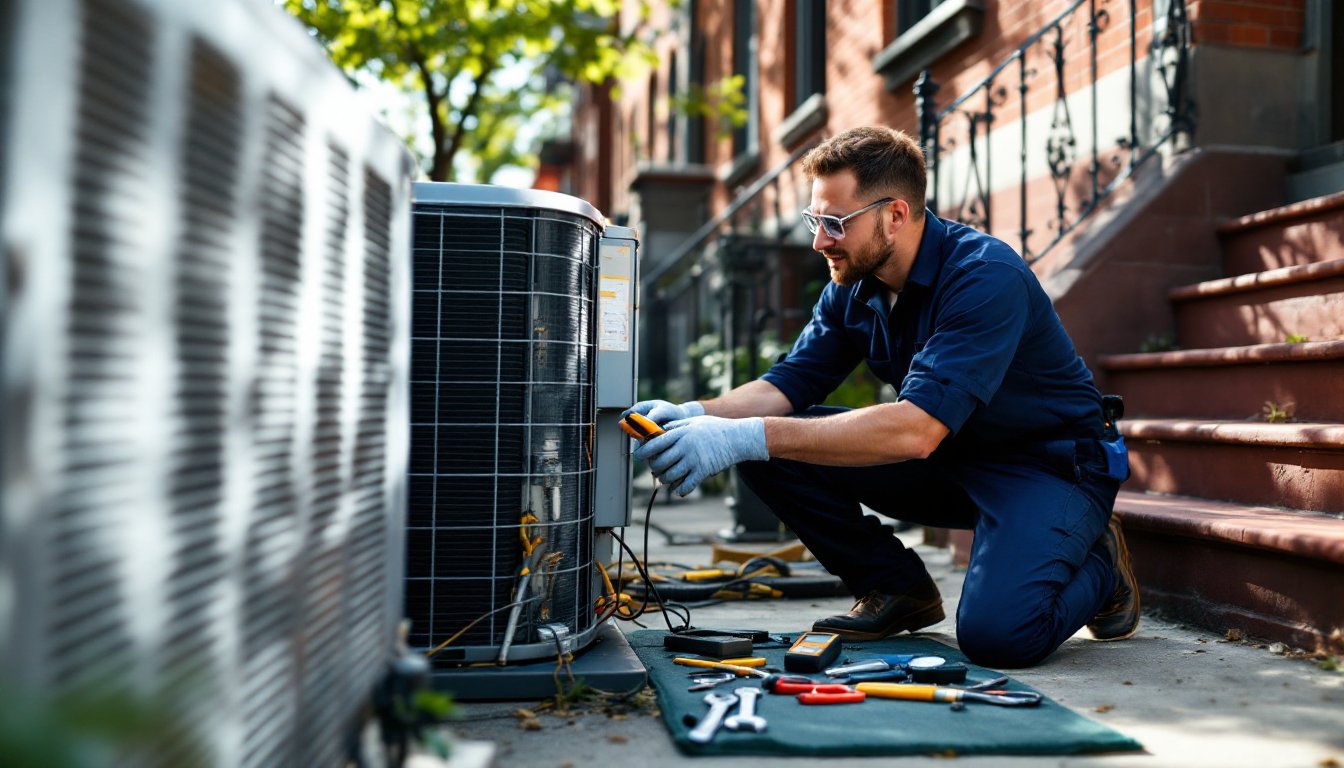
- Combustion analysis: Techs use a flue gas analyzer to measure oxygen, carbon monoxide, and combustion efficiency. Improper combustion wastes fuel and creates dangerous exhaust.
- Heat exchanger inspection: Cracks or holes allow carbon monoxide to mix with household air. Inspection requires removing panels and sometimes using a camera scope.
- Gas pressure testing: Natural gas and propane systems need inlet and manifold pressure checked with a manometer. Incorrect pressure causes poor combustion or component damage.
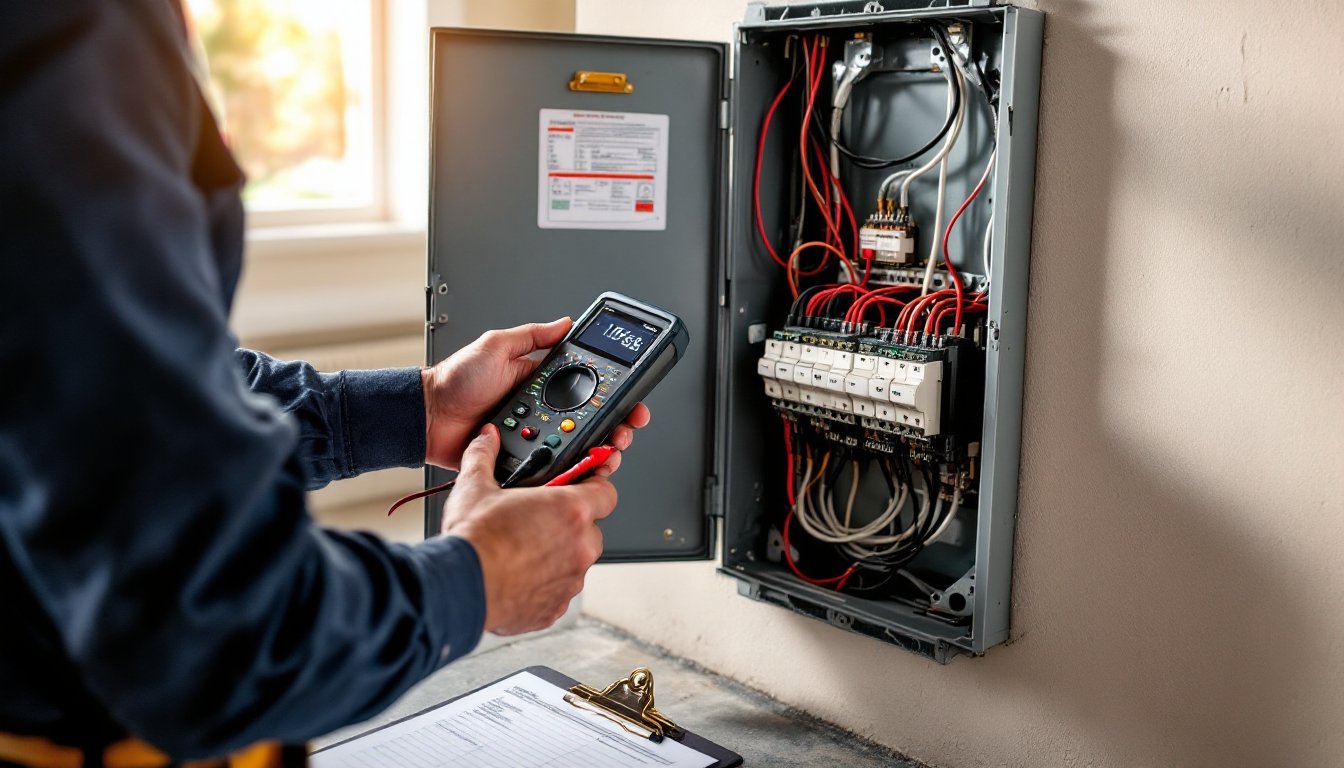
- Blower motor amp draw: Techs measure current to spot motors nearing failure. A motor drawing too many amps will trip breakers: too few indicates worn bearings.
- Flame sensor cleaning: This safety device shuts off gas if it doesn’t detect flame. A dirty sensor causes nuisance shutdowns, but over-cleaning can damage it, pros know the right technique.
- Limit switch calibration: High-limit switches prevent overheating. Faulty switches either fail to protect the system or shut it down prematurely.
Expect to pay $80-150 for a standard tune-up in most markets, though costs fluctuate based on region and company. Some HVAC service providers offer maintenance plans that bundle annual tune-ups with priority service and discounts on repairs.
Don’t wait for a breakdown to establish a relationship with a contractor. Finding a reliable tech in an emergency often means settling for whoever can show up, not who does the best work.
Warning Signs Your Furnace Needs Immediate Attention
Some symptoms indicate problems that won’t wait for the next scheduled maintenance. Shut down the furnace and call a professional if you notice any of these.
Yellow or flickering flame: Gas furnace flames should be steady and blue. A yellow, orange, or dancing flame indicates incomplete combustion and possible carbon monoxide production. This is a safety emergency.
Frequent cycling: If the furnace turns on and off every few minutes (short-cycling), it’s either overheating due to airflow restriction, dealing with a faulty thermostat, or suffering from a failed control board. Short-cycling triples wear on components.
Unusual odors: A brief dusty smell when you first fire up the furnace in fall is normal. Persistent burning smells, sulfur (rotten eggs), or chemical odors are not. Rotten egg smell with natural gas or propane means a gas leak, evacuate immediately and call the gas company.
Rising energy bills: A sudden 20-30% jump in heating costs with no change in usage or rates signals declining efficiency. Common causes include a failing blower motor, leaking ductwork, or a heat exchanger problem.
Visible soot or rust: Soot around burners or on the heat exchanger indicates poor combustion. Rust on the exterior or inside the cabinet suggests a condensate leak or flue gas condensation issue.
Age plus performance issues: Furnaces typically last 15-20 years with proper care. If your system is over 15 and experiencing multiple issues, repairs often cost more than they’re worth. Most pros use the 50% rule: if a repair costs more than half the price of replacement, replace the unit. When researching costs and contractor options, platforms like HomeAdvisor and Angi provide ballpark estimates and verified contractor reviews to help with decision-making.
Extending Your Furnace Lifespan Through Consistent Care
A well-maintained furnace routinely hits 18-20 years. Neglected systems fail at 10-12. The difference comes down to friction, heat stress, and component fatigue, all accelerated by poor maintenance.
Keep it clean: Dust is abrasive. When it coats blower wheels, motors, and bearings, it acts like sandpaper. A furnace room that doubles as storage for rarely-used items accumulates more dust. Keep the area swept and consider a standalone air purifier if your furnace room is in a dusty basement.
Maintain steady airflow: Closed vents in unused rooms seem like energy savers but actually increase static pressure in ducts, forcing the blower to work harder. Keep at least 80% of vents open. If you have rooms you truly don’t heat, consult an HVAC tech about dampers and zoning, DIY vent-closing often backfires.
Address ductwork leaks: Leaky ducts waste 20-30% of heated air in a typical home. During your annual tune-up, ask the tech to inspect accessible ductwork. Sealing leaks with mastic (not duct tape, which fails quickly) improves efficiency and reduces furnace runtime.
Upgrade your thermostat: Programmable and smart thermostats reduce runtime by lowering temperatures during sleep and work hours. Less runtime means less wear. A 7-day programmable thermostat costs $30-80 and installs in under an hour for most homeowners. Smart thermostats ($120-250) learn your schedule and adjust automatically.
Document everything: Keep a maintenance log in a notebook near the furnace or in a phone app. Record filter changes, tune-up dates, and any repairs. This history helps techs diagnose patterns and proves maintenance if you need warranty service. When you sell the home, a documented maintenance history adds value and reassures buyers.