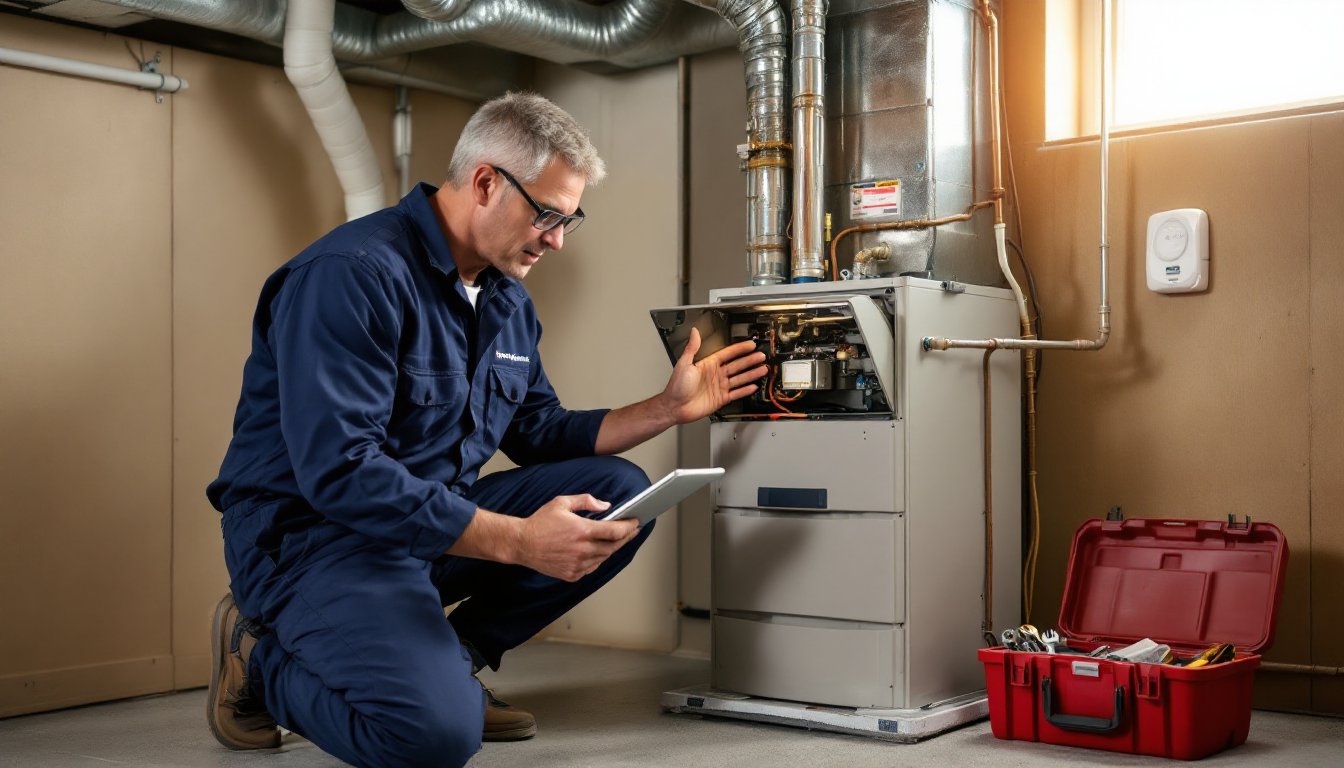
When the leaves start turning and temperatures drop, your heating system becomes the hardworking backbone of home comfort. But if your furnace or heat pump hasn’t been touched since last winter, you’re gambling with efficiency, comfort, and potentially expensive mid-season breakdowns. Fall HVAC maintenance isn’t optional, it’s the difference between a system that hums along all winter and one that fails on the coldest night of the year. Some tasks take 10 minutes and zero experience, while others require a licensed tech with specialized equipment. Here’s what homeowners need to tackle now, what to leave to the pros, and why skipping this work will cost you later.
Table of Contents
ToggleKey Takeaways
- Fall HVAC maintenance prevents 15–25% energy bill spikes and costly mid-season breakdowns by keeping filters, coils, and airflow clean and efficient.
- Homeowners can DIY critical fall HVAC maintenance tasks like replacing air filters, cleaning vents and registers, inspecting ductwork, and checking thermostats in under an hour.
- Professional inspection of gas furnaces, refrigerant testing on heat pumps, and electrical diagnostics are essential and require licensed EPA-certified technicians who ensure safety and warranty compliance.
- A $100–$150 annual fall HVAC tune-up protects multi-thousand-dollar systems, prevents carbon monoxide hazards, and keeps manufacturer warranties intact—skipping it can void coverage on repairs costing $1,200 to $3,500.
- Scheduling fall HVAC service in September or early October guarantees better technician availability, lower pricing, and time to address issues before winter heating season demands spike.
Why Fall HVAC Maintenance Matters for Your Home
A neglected HVAC system doesn’t just blow cold, it burns money. Dirty filters and clogged coils force your furnace or heat pump to work harder, spiking energy bills by 15–25% over the heating season. Dust buildup on blower motors and heat exchangers reduces airflow, creating hot spots, cold zones, and uneven comfort throughout the house.
Beyond efficiency, there’s safety. Gas furnaces with cracked heat exchangers can leak carbon monoxide into your living space. A heat exchanger is the metal chamber that separates combustion gases from the air circulating through your home, cracks develop from thermal stress and corrosion over time. You can’t see them without pulling panels and using inspection tools, which is why annual professional inspection is non-negotiable if you have a gas furnace.
Reliability matters too. HVAC service calls spike in November and December when systems fire up after months of dormancy. Waiting until the first freeze to discover a failed igniter, seized blower motor, or refrigerant leak means you’re competing with every other unprepared homeowner for a same-day appointment. Proactive fall maintenance catches small issues before they cascade.
Finally, most HVAC manufacturers require proof of annual maintenance to honor warranties. Skip it, and a failed compressor or heat exchanger replacement, typically $1,200 to $3,500, comes out of pocket. A $100–$150 tune-up protects a multi-thousand-dollar system and keeps your coverage intact.
DIY Fall HVAC Maintenance Tasks Every Homeowner Can Handle
Not every HVAC task requires a service call. Homeowners with basic tools and a Saturday morning can knock out several high-impact items that improve performance and extend equipment life.
Replace or Clean Your Air Filters
Air filters are the single most neglected component in residential HVAC systems, and swapping them is the easiest way to boost efficiency and airflow. Disposable fiberglass filters (typically rated MERV 1-4) should be replaced monthly during heating and cooling seasons. Higher-efficiency pleated filters (MERV 8-13) capture more dust, pollen, and pet dander but need replacement every 60–90 days, depending on household conditions.
Locate your filter, it’s usually in the return air grille, the blower compartment, or a dedicated slot between the return duct and furnace cabinet. Note the airflow direction arrow printed on the filter frame: it must point toward the blower motor, not the return duct. Installing it backward collapses the pleats and kills airflow.
If you have a washable electrostatic filter, pull it out and rinse both sides with a garden hose until water runs clear. Let it dry completely, 24 hours minimum, before reinstalling. A damp filter breeds mold and restricts airflow. Don’t skip this step.
Avoid ultra-high MERV filters (14+) unless your system is specifically rated for them. Dense media increases static pressure, which can overheat blower motors and reduce system lifespan. Check your furnace or air handler manual for the maximum recommended MERV rating.
Inspect and Clean Your Vents and Registers
Supply registers and return grilles get clogged with dust, pet hair, and debris that chokes airflow and creates pressure imbalances. Walk through every room and remove floor, wall, and ceiling registers. Most lift out or are held by a single screw.
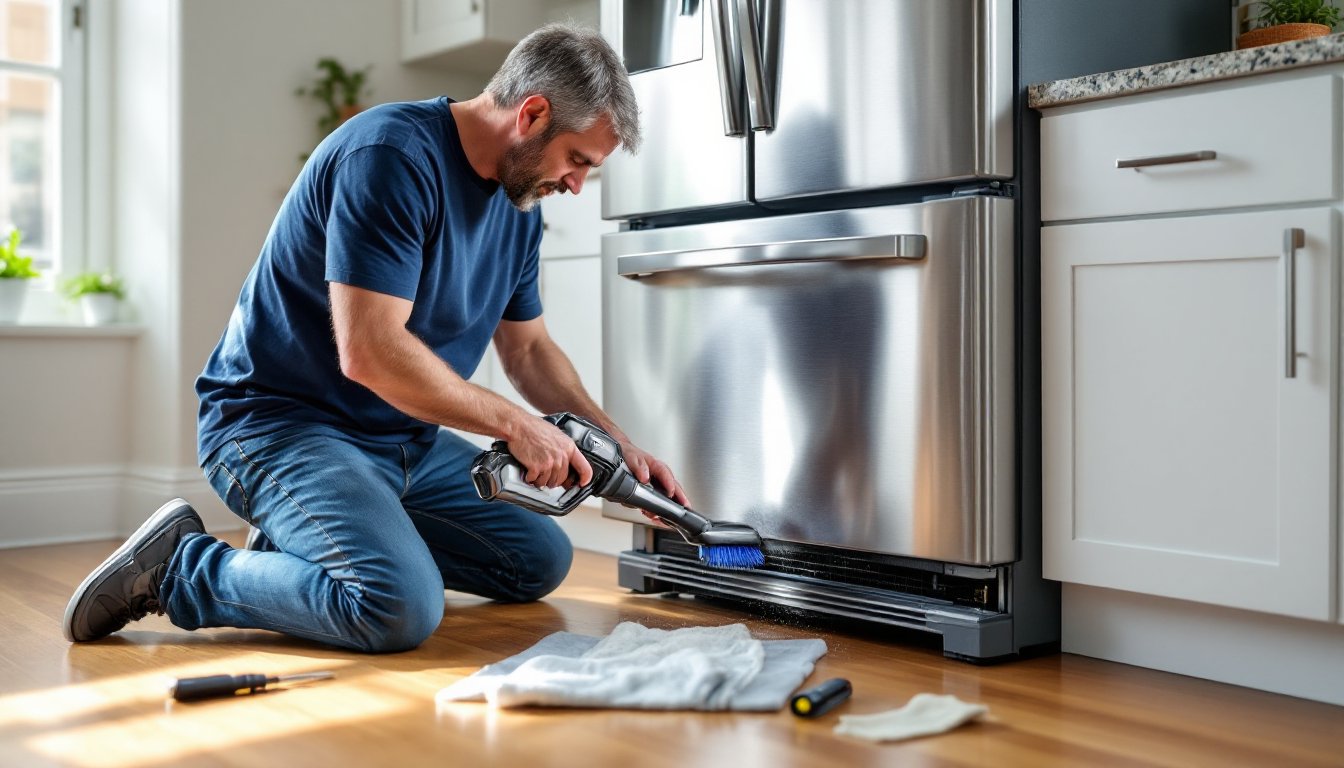
Vacuum the register louvers and the first 6–12 inches of visible ductwork using a brush attachment. For stubborn grime, wash metal registers in warm soapy water, rinse, and dry completely before reinstalling.
Check that dampers, adjustable levers inside some registers, are fully open. Closing too many registers forces conditioned air into unintended zones, increases duct leakage, and strains the blower.
Make sure furniture, rugs, or storage bins aren’t blocking airflow. A couch shoved against a return grille can reduce system capacity by 20% or more. Minimum clearance: 6 inches in front of returns, 12 inches in front of floor supplies.
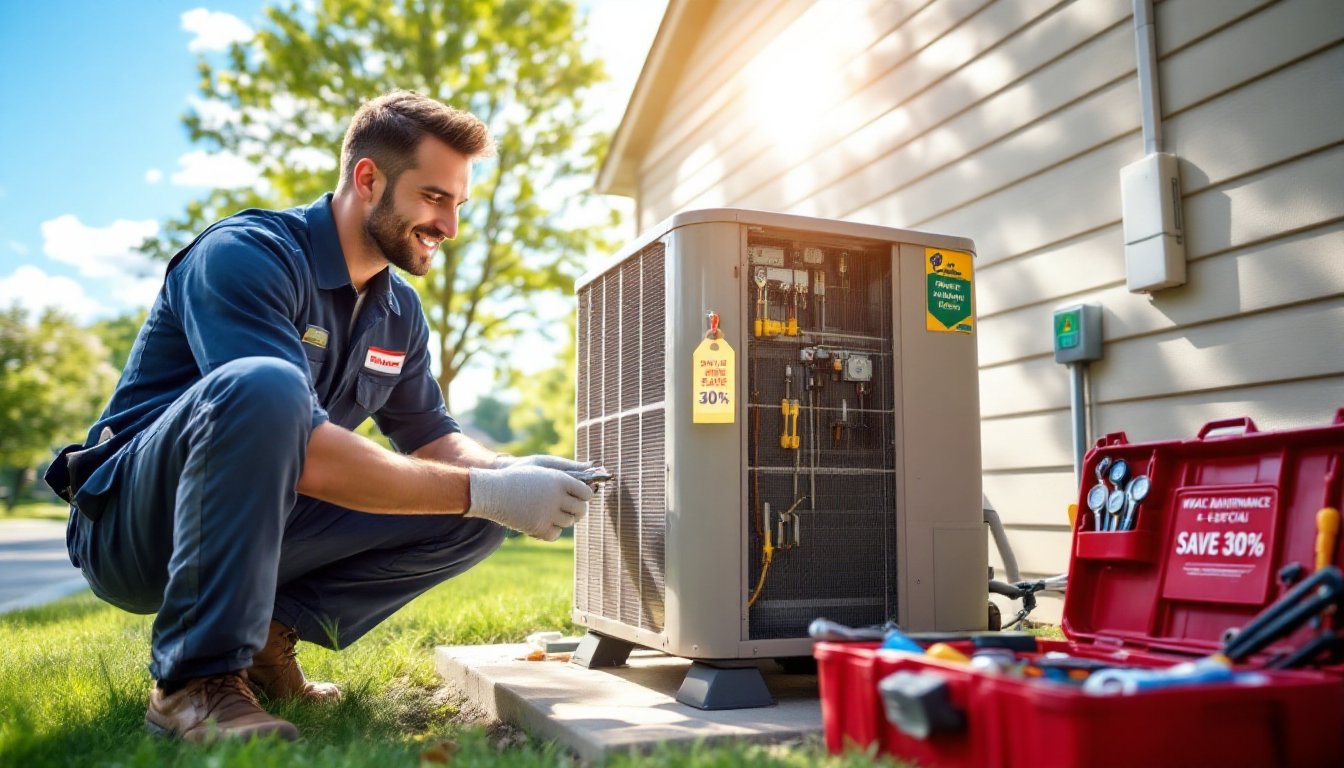
While you’re at it, inspect the area around your outdoor heat pump or AC condenser unit. Clear leaves, grass clippings, and debris within a 2-foot radius. Trim back shrubs and vegetation, airflow matters just as much outside as inside.
When to Call a Professional for Fall HVAC Service
Some maintenance tasks are DIY-friendly. Others require EPA-certified technicians, specialized gauges, and diagnostic tools homeowners don’t own. Here’s when to hand off the work.
Gas furnace inspection and combustion analysis should happen annually, ideally before heating season. A qualified tech will inspect the heat exchanger for cracks, test the igniter and flame sensor, confirm proper gas pressure, and use a combustion analyzer to measure carbon monoxide and efficiency. DIYers can’t safely or legally perform these checks.
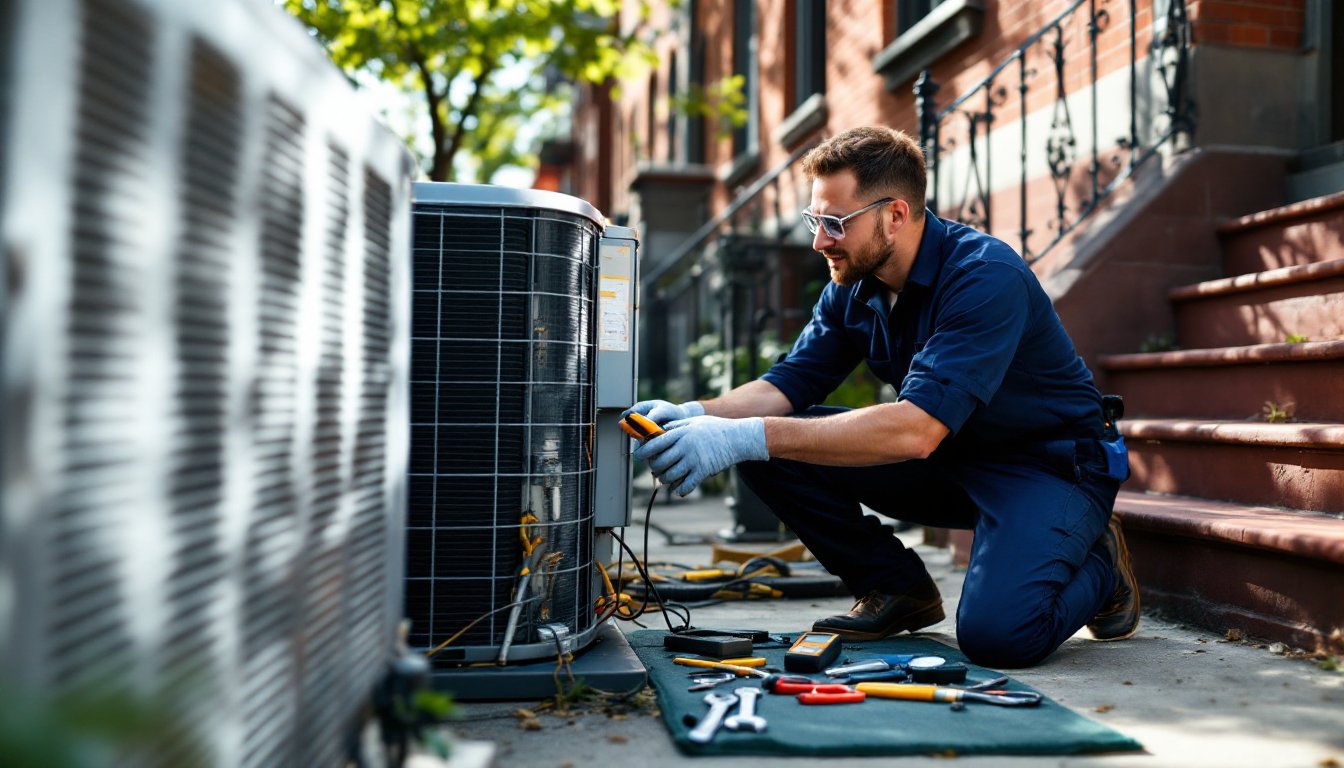
Refrigerant charge and leak testing on heat pumps requires EPA Section 608 certification. Undercharged systems lose capacity and efficiency: overcharged systems risk compressor damage. Only licensed HVAC techs can legally purchase, handle, and add refrigerant.
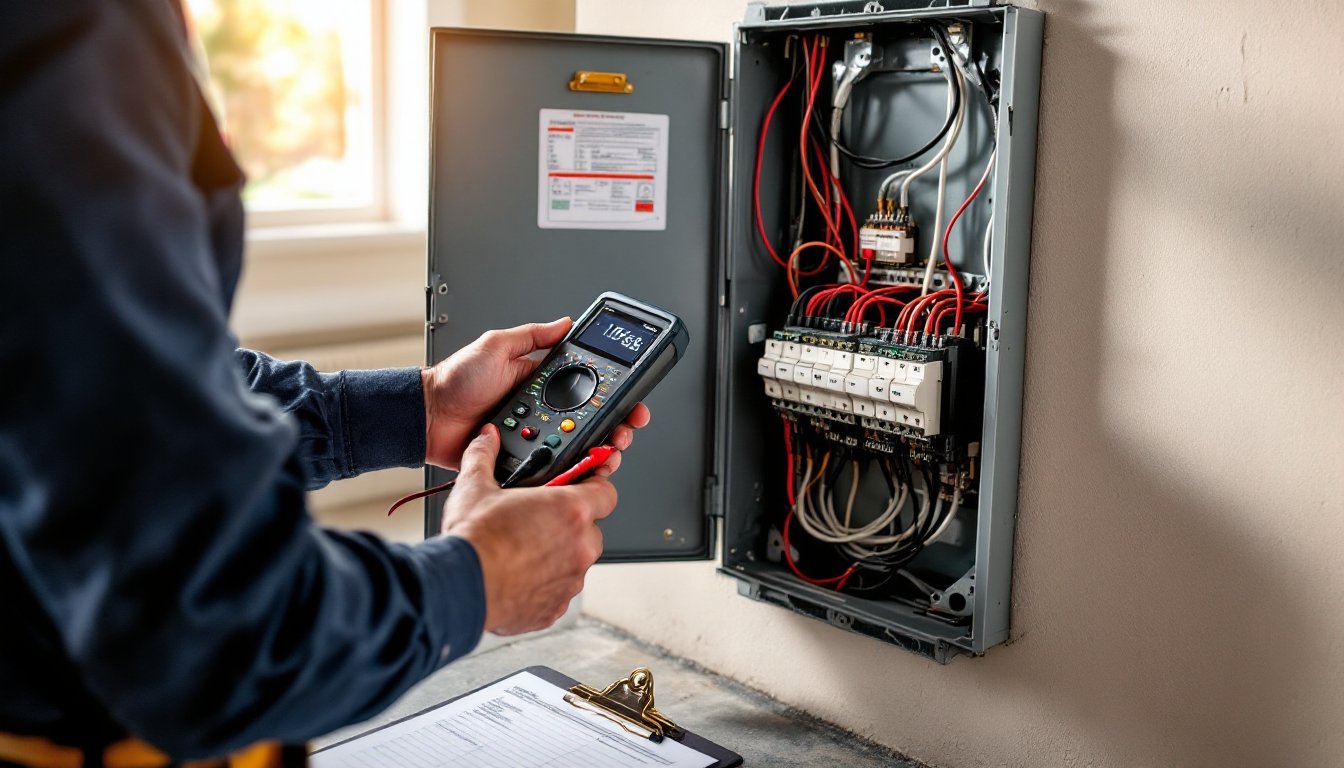
Electrical component testing, capacitors, contactors, relays, and control boards, requires a multimeter and knowledge of typical voltage and amperage ranges. Misdiagnosing a failed capacitor as a bad compressor can lead to a $2,000 mistake.
Blower motor lubrication and belt tensioning (on older belt-drive systems) is straightforward for mechanically inclined homeowners, but many modern direct-drive motors are sealed and maintenance-free. If you’re unsure which type you have, let a pro handle it.
When hiring, look for contractors who are licensed, insured, and carry certifications like NATE (North American Technician Excellence). Many HVAC companies offer seasonal tune-up packages in the $100–$180 range, often bundled with priority service and discounts on repairs. Scheduling in September or early October, before the rush, gets you better availability and sometimes lower pricing. For help finding qualified contractors in your area, platforms like Angi and HomeAdvisor offer reviews, cost guides, and side-by-side comparisons.
If your system is 12+ years old, ask the technician to evaluate remaining lifespan and efficiency. Furnaces and heat pumps typically last 15–20 years, but a unit limping along at 60% efficiency may cost more to run than a mid-efficiency replacement would. Get the data, then decide.
Essential Fall HVAC Maintenance Tasks for Maximum Efficiency
Beyond filters and vents, a few additional tasks round out a complete fall HVAC prep. These don’t require advanced skills, but they do demand attention to detail.
Test your thermostat. Switch from cooling to heating mode and bump the setpoint 5°F above room temperature. The furnace or heat pump should kick on within seconds. If it doesn’t, check breaker panels (both main and any secondary disconnect), replace thermostat batteries, and confirm the thermostat is level and securely mounted. Loose mounting can break wire connections.
For programmable and smart thermostats, review your heating schedule. A common mistake: leaving summer settings active, which can trigger heating during the day when no one’s home. Aim for 68°F when occupied, 62–65°F overnight or when away. Every degree below 70°F saves roughly 3% on heating costs.
Inspect ductwork in accessible areas. Crawl spaces, attics, and basements often reveal disconnected or poorly sealed ducts leaking conditioned air into unconditioned spaces. Look for gaps at seams and boot connections. Seal leaks with mastic sealant or aluminum foil tape (not cloth duct tape, which degrades). Insulate ducts running through unheated zones with R-6 or R-8 duct insulation wrap to prevent heat loss and condensation.
Check and clean the condensate drain. Furnaces and high-efficiency heat pumps produce condensation that drains through a plastic tube, usually ¾-inch PVC. If the drain clogs, water backs up and triggers a safety switch that shuts down the system. Locate the drain line (it typically runs from the furnace to a floor drain or sump pit), disconnect it, and flush with a 50/50 mix of white vinegar and water. Pour a cup down the line every few months to prevent algae and slime buildup.
Lubricate moving parts if your system has oil ports. Older blower motors have small oil caps on each end of the motor shaft. Add 2–3 drops of electric motor oil (not general-purpose 3-in-1 oil) per port. Don’t over-oil: excess attracts dust and gums up bearings.
Test your carbon monoxide and smoke detectors. Gas furnaces, boilers, and water heaters all produce combustion byproducts. CO detectors should be installed on every level of the home, especially near sleeping areas. Replace units older than 7 years and batteries annually. This isn’t HVAC maintenance per se, but it’s life-safety prep that belongs on your fall checklist alongside tasks like those in a comprehensive September home maintenance guide.
Conclusion
Fall HVAC maintenance isn’t glamorous, but it’s one of the highest-return investments a homeowner can make. An hour of filter swaps, vent cleaning, and thermostat checks, plus a $150 pro tune-up, buys months of reliable heat, lower energy bills, and peace of mind when the first polar vortex rolls in. Skip it, and you’re betting against Murphy’s Law with your family’s comfort on the line.