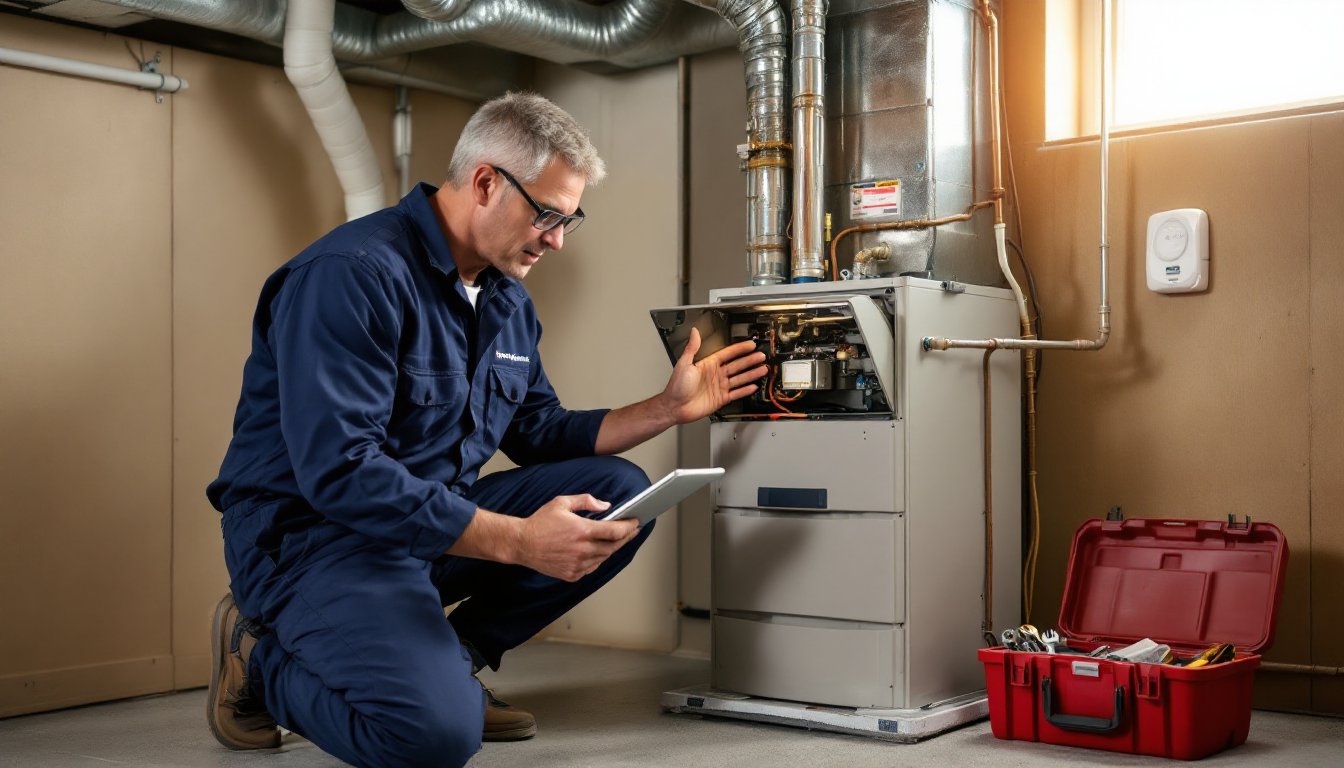
Your air conditioner fails at 3 p.m. on a 95-degree Saturday. The furnace sputters out during a January cold snap. A strange hissing sound emanates from your ductwork at 2 a.m. These aren’t hypotheticals, they’re the panicked calls HVAC maintenance technicians field every day. These professionals keep your heating, ventilation, and air conditioning systems running efficiently year-round, preventing breakdowns and extending equipment life. Whether you’re considering hiring one, becoming one, or wondering if you can skip professional service altogether, understanding what HVAC technicians actually do, and what you’re paying for, matters for every homeowner.
Table of Contents
ToggleKey Takeaways
- An HVAC maintenance technician performs preventive inspections and tune-ups including refrigerant checks, coil cleaning, and electrical testing to keep systems running efficiently and extend equipment life by 5-10 years.
- Annual HVAC maintenance prevents costly breakdowns, improves energy efficiency by up to 20-30%, and is often required to maintain manufacturer warranties on expensive components.
- A thorough maintenance visit takes 60-90 minutes and should include a written report with specific measurements like refrigerant pressures and temperature readings—anything shorter likely skips critical steps.
- Choose an HVAC maintenance technician with proper EPA Section 608 certification, state licensing, proof of insurance, and verified reviews; avoid technicians who pressure same-day decisions or claim routine refrigerant top-offs are needed.
- Homeowners can DIY filter replacements, condenser cleaning, and drain line maintenance, but refrigerant work, electrical diagnostics, and furnace repairs require a certified professional to avoid safety hazards and legal violations.
- Professional maintenance costs $80-$150 per visit or $150-$350 annually for service agreements, which cost less than emergency repairs ranging from $500-$5,000 caused by system neglect.
What Does an HVAC Maintenance Technician Do?
HVAC maintenance technicians inspect, clean, test, and tune heating and cooling systems to prevent failures and maintain efficiency. They’re not emergency repair specialists, though many also handle repairs, they’re the preventive care providers of climate control.
A qualified technician carries an EPA Section 608 certification for handling refrigerants, plus state or local licensing depending on jurisdiction. Their toolkit includes multimeters, refrigerant gauges, combustion analyzers, and specialized vacuum pumps. They work on residential systems (split systems, heat pumps, ductless mini-splits) and light commercial equipment.
During routine maintenance, technicians measure refrigerant levels, test electrical connections with voltage readings, inspect heat exchangers for cracks, clean condenser coils, check airflow at supply registers, calibrate thermostats, and verify proper condensate drainage. They also evaluate the static pressure across filters and ductwork, high pressure indicates restricted airflow that forces your system to work harder.
Many technicians specialize. Some focus on residential service, others handle commercial buildings, and a few work exclusively on geothermal or high-efficiency systems. The work involves crawling through attics, kneeling on rooftops, and lifting equipment weighing 50+ pounds. It’s physical, technical, and requires understanding both mechanical systems and building science.
Why Regular HVAC Maintenance Matters for Your Home
Neglected HVAC systems fail prematurely, waste energy, and sometimes create safety hazards. Annual maintenance extends equipment life by 5-10 years on average and keeps efficiency near factory ratings.
Dirty coils reduce heat transfer, forcing the compressor to run longer cycles. A clogged evaporator coil can drop system efficiency by 20-30%, turning a 16 SEER unit into a 12 SEER performer. That’s real money, $200-$400 annually on a typical 2,500-square-foot home.
Cracked heat exchangers in gas furnaces can leak carbon monoxide. Annual inspections catch these before they become life-threatening. Technicians use combustion analyzers to measure CO levels in flue gases: readings above 100 ppm indicate incomplete combustion that needs immediate attention.
Refrigerant leaks don’t just reduce cooling capacity, they release greenhouse gases and indicate failing components. The 2020 EPA regulations phasing out R-22 (Freon) mean leaks in older systems now cost $150+ per pound to refill. Catching leaks early saves serious cash.
Manufacturer warranties often require proof of annual maintenance. Skip service, and you might void coverage on a $1,200 compressor replacement. Read your warranty card, most specify professional service intervals.
What to Expect During a Professional HVAC Maintenance Visit
A thorough maintenance visit takes 60-90 minutes. Anything shorter probably skips critical steps. Here’s what actually happens.
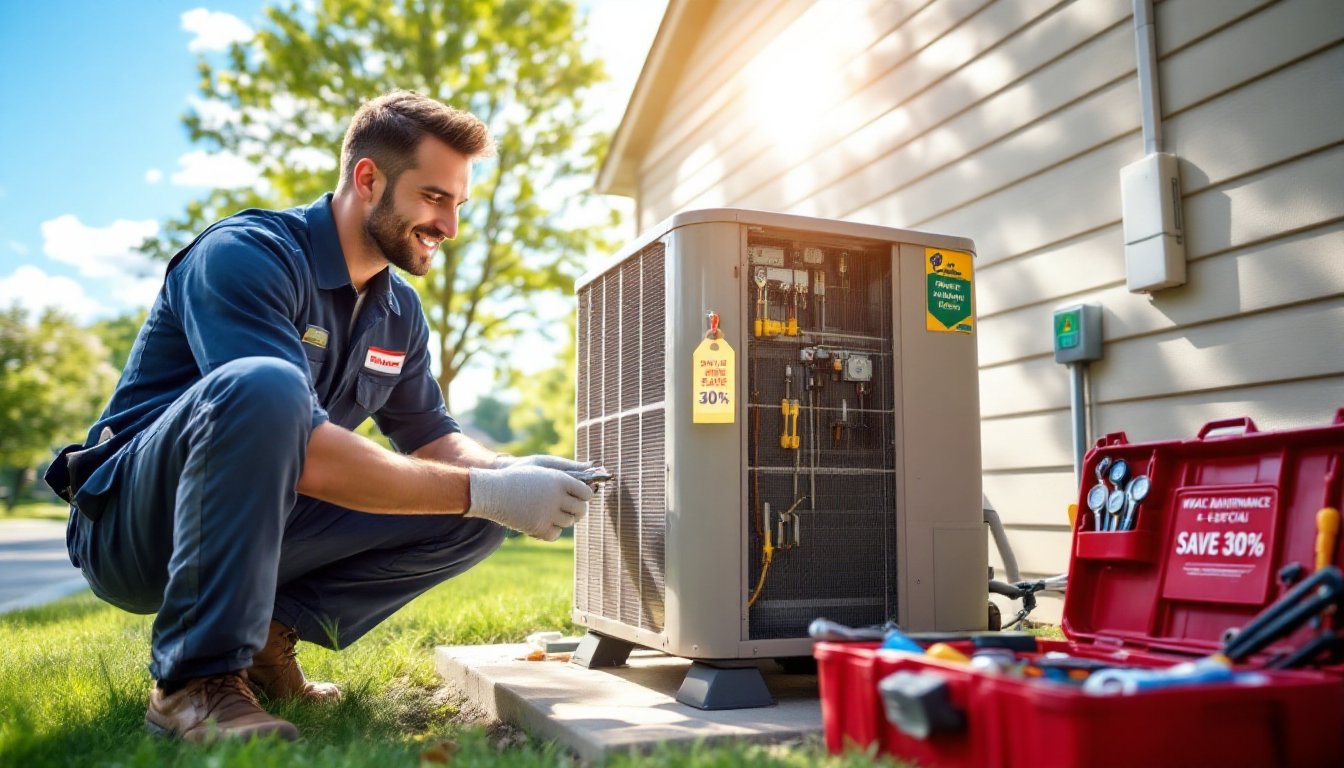
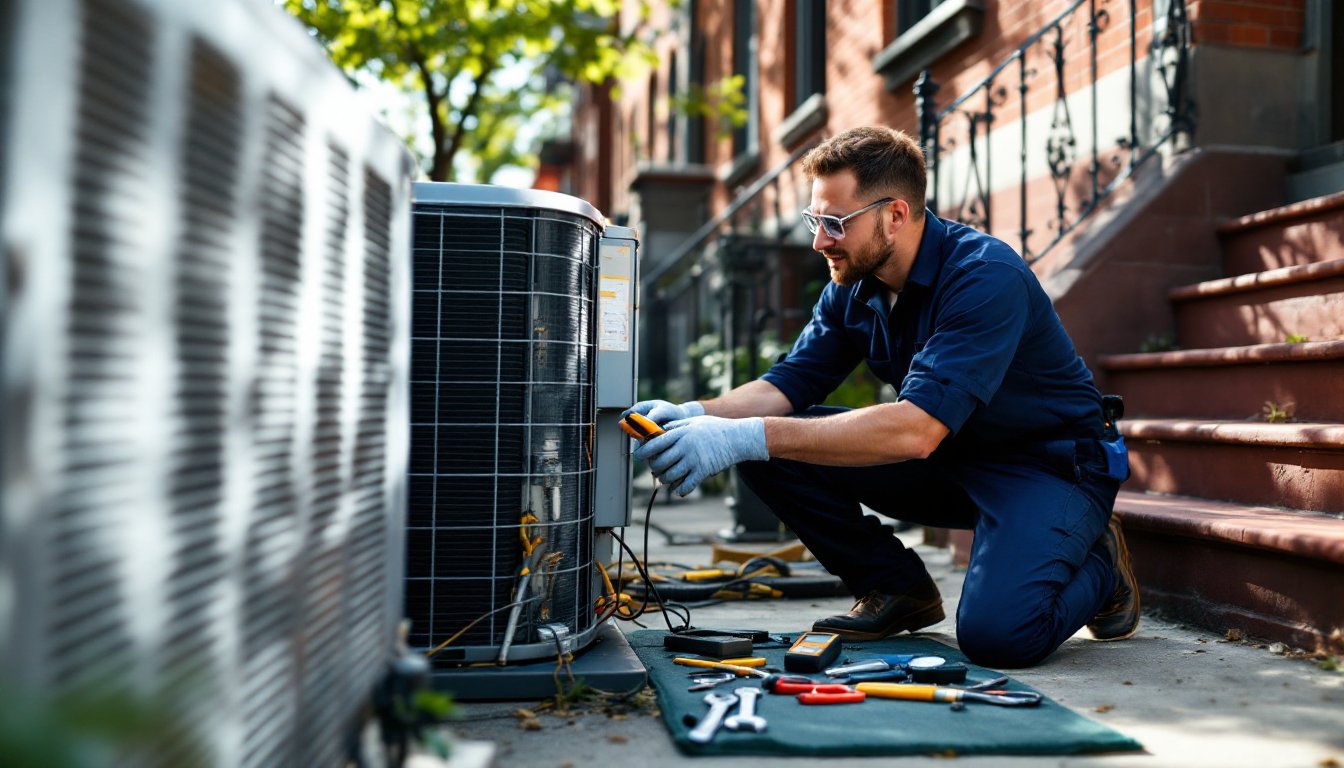
The technician starts at the outdoor condenser unit, shutting off power at the disconnect box. They clean the condenser coils with a soft brush or coil cleaner, check the fan motor bearings, measure capacitor microfarads with a multimeter, and inspect refrigerant lines for oil stains (leak indicators). They verify the unit sits level, a tilted pad causes refrigerant flow issues.
Inside, they pull the blower assembly, clean the evaporator coil, check the blower wheel for dust buildup, test the run capacitor, and measure amp draw on the motor. They inspect the drain pan and condensate line, flushing it with a wet/dry vac or compressed air. A clogged drain backs up water into your air handler or ceiling.
For gas furnaces, they inspect the heat exchanger with a flashlight and mirror, test the igniter, check burner flame color (should be steady blue, not yellow or orange), measure temperature rise across the heat exchanger (typically 40-70°F depending on furnace size), and verify flue draft with a manometer.
They replace the air filter if it’s disposable, check thermostat calibration, measure supply and return temperatures at registers, and test all safety controls, high-pressure cutoffs, rollout switches, and limit switches.
You should receive a written report listing refrigerant pressures, voltage readings, temperature differentials, and any recommended repairs. No report means you didn’t get a full service.
How to Choose the Right HVAC Maintenance Technician
Licensing and certification aren’t optional. Verify the technician holds proper state licenses (requirements vary, some states require a master license for independent work, others mandate company-level licensing). EPA Section 608 certification is federally required for anyone handling refrigerants.
Ask how long the company’s been in business and whether they carry general liability and workers’ compensation insurance. A technician injured on your property without workers’ comp can sue you. Request proof of insurance, legitimate companies provide it without pushback.
Look for contractors who provide upfront pricing for maintenance agreements. Annual contracts typically cost $150-$300 and include one or two visits (spring for AC, fall for heating). Some bundle filter replacements and priority emergency service.
Check reviews, but read them critically. One bad review among fifty isn’t a pattern. Multiple complaints about upselling, incomplete work, or no-shows are red flags. Platforms like contractor review sites verify licenses and compile service records.
Red Flags to Watch For
Run if a technician shows up without tools or uses a generic truck with no company markings. Legitimate service companies invest in equipment and branding.
Refusing to provide written estimates or pressuring for same-day replacement decisions signals trouble. A failing compressor doesn’t require an instant $4,000 decision, get a second opinion.
Beware of refrigerant upselling on systems less than 10 years old. Modern systems rarely need refrigerant added unless there’s a leak. If a tech says you need 3 pounds annually, you have a leak that needs repair, not endless top-offs at $75/pound.
Vague language about “efficiency issues” or “system imbalances” without measurements (temperatures, pressures, amp draws) often precedes unnecessary equipment sales. Ask for specific numbers.
Common HVAC Maintenance Tasks You Can DIY vs. When to Call a Pro
Homeowners can handle several maintenance tasks safely, saving $100-$200 annually on service calls. But some jobs require certification, specialized tools, or risk voiding warranties.
You can DIY:
- Replace disposable filters monthly (or every 3 months for pleated filters). Standard 1-inch filters fit in a slot at the return duct or air handler. Check the arrow, it points toward the blower.
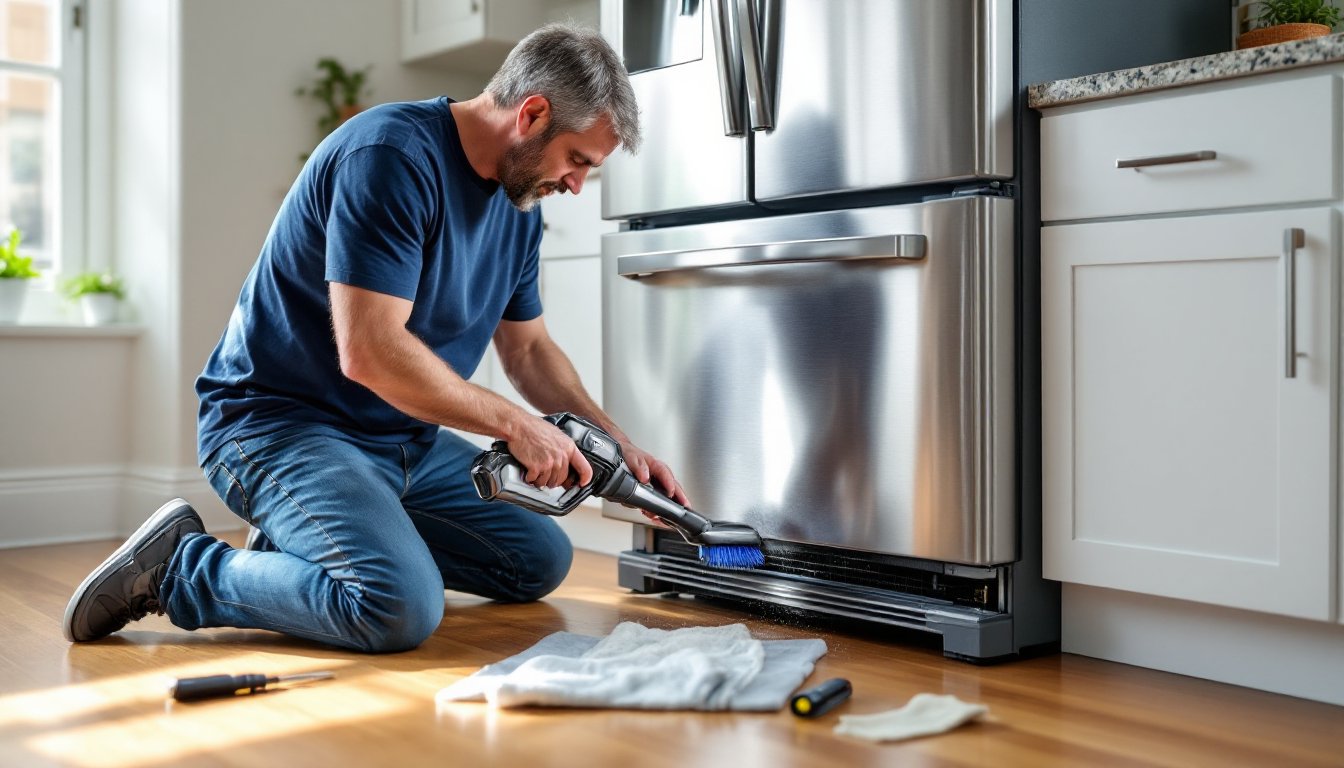
- Clean condenser fins with a garden hose (power off at disconnect first). Spray from inside out to push debris away from coils. Straighten bent fins carefully with a fin comb.
- Clear debris, leaves, and vegetation 2 feet around the outdoor unit.
- Check and clean the condensate drain line. Pour a cup of white vinegar down the line quarterly to prevent algae buildup.
- Vacuum return vents and supply registers. Dusty registers restrict airflow.
- Test thermostat accuracy with a separate thermometer. If readings differ by more than 2°F, recalibrate or replace.
Call a pro for:
- Anything involving refrigerant. Federal law requires EPA certification. DIY refrigerant work is illegal and dangerous, pressures exceed 400 psi.
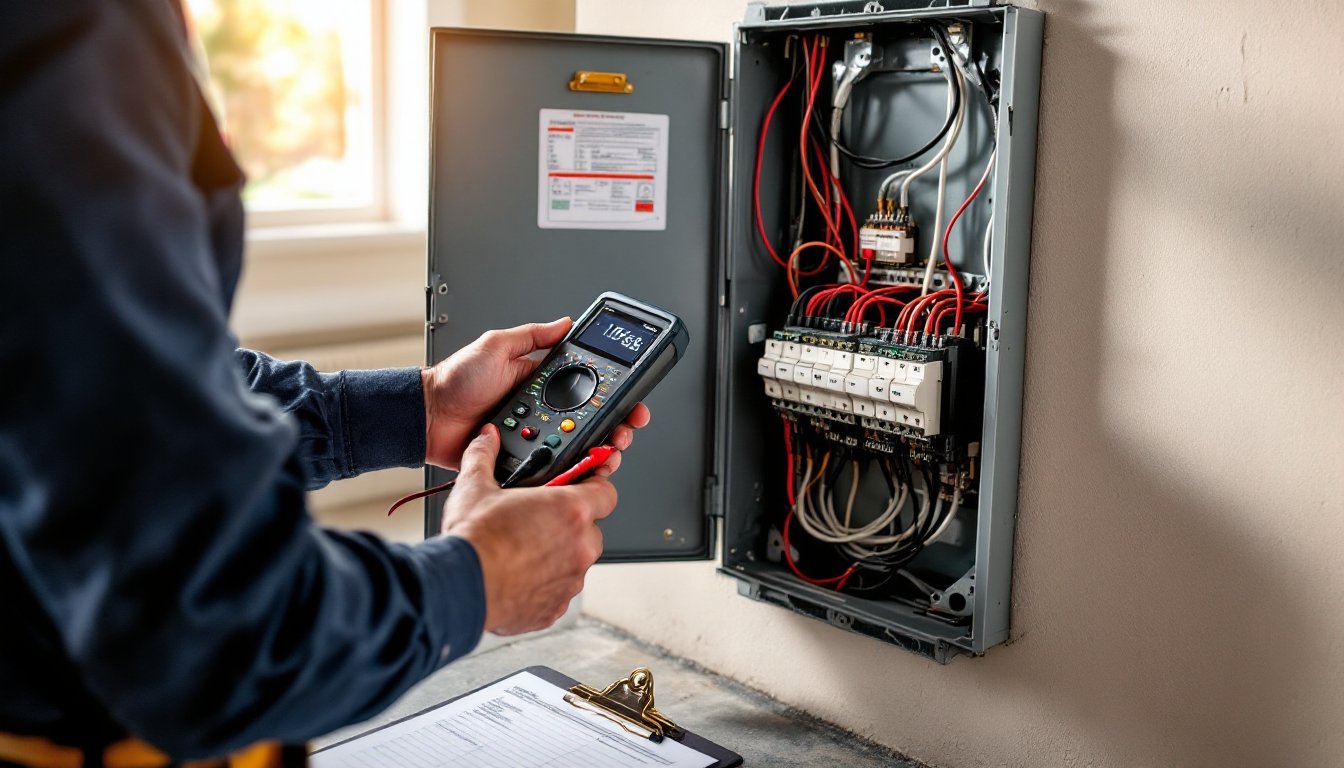
- Electrical diagnostics beyond checking a tripped breaker. Capacitors store lethal voltage even when power’s off.
- Gas furnace repairs or inspections. Carbon monoxide leaks kill. Combustion analysis requires calibrated tools.
- Duct cleaning (if needed, most homes don’t need it). Proper cleaning costs $400-$600 and requires negative-pressure equipment and NADCA-certified technicians.
- Blower motor or control board replacement. These involve wiring diagrams specific to your model.
Wear safety glasses and gloves when working around sheet metal ductwork, edges are sharp. Shut off power at the breaker and outdoor disconnect before any cleaning.
How Much Does HVAC Maintenance Cost in 2026?
A one-time professional maintenance visit runs $80-$150 in most markets. Annual maintenance agreements (two visits) cost $150-$350 depending on system type and company.
Pricing varies by region. Metro areas trend higher, expect $120-$200 per visit in cities. Rural areas often charge less, sometimes $75-$100. System complexity matters, too. A basic split system costs less to service than a geothermal heat pump or multi-zone ductless system.
Maintenance agreements usually include:
- Spring AC tune-up (coil cleaning, refrigerant check, capacitor testing)
- Fall heating inspection (heat exchanger, igniter, burner, flue draft)
- Priority scheduling and discounted repair rates (typically 10-15% off parts)
- Some include one or two air filters per year
Do the math before buying an agreement. If standalone visits cost $100 each and an agreement costs $200, you save nothing unless you value the priority service. But if you’ll forget to schedule without a contract, the automatic reminders justify the cost.
Repairs discovered during maintenance aren’t included. A failed capacitor runs $150-$300 installed. A cracked heat exchanger means furnace replacement ($2,500-$5,000). Budget $200-$500 annually for unexpected repairs on systems 10+ years old.
For cost estimates and contractor matching, platforms like HomeAdvisor provide regional averages and connect homeowners with licensed professionals. For additional seasonal maintenance advice, homeowner-focused sites offer checklists and project guides that complement professional service.
Don’t skip maintenance to save $150 now. A $500 blower motor replacement or $1,800 coil replacement from neglect costs more than a decade of annual service.