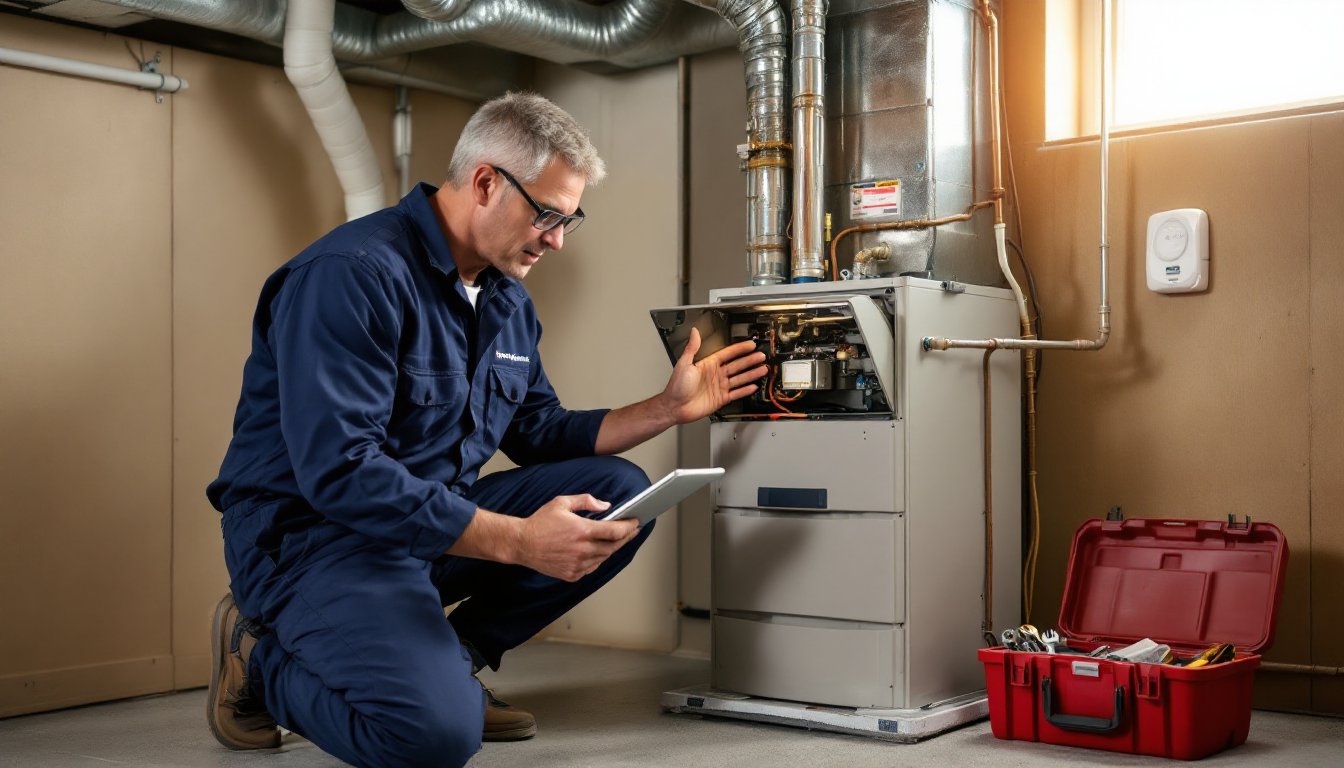
Wilmington’s humid subtropical climate puts serious demands on heating and cooling systems. Between sweltering summers that push air conditioners to their limits and mild but damp winters, an HVAC system that isn’t properly maintained will struggle, and likely fail when you need it most. Regular maintenance isn’t just about avoiding breakdowns. It’s about efficiency, air quality, and keeping utility bills in check. Most homeowners can handle basic upkeep tasks, but knowing when to call in a pro is just as important. This guide breaks down what Wilmington homeowners need to know to keep their systems running smoothly all year.
Table of Contents
ToggleKey Takeaways
- HVAC maintenance in Wilmington’s humid subtropical climate prevents system failures and reduces energy consumption by 15-20% compared to neglected systems.
- Replace standard air filters every 30 days and pleated filters every 60-90 days, checking monthly due to Wilmington’s accelerated clogging from high humidity and seasonal pollen.
- Homeowners can handle routine tasks like filter replacement, outdoor unit cleaning, duct inspection, and vegetation trimming, but refrigerant work, electrical troubleshooting, and compressor repairs require certified technicians.
- Annual professional tune-ups ($80-$150 in Wilmington) catch issues early, while a smart thermostat with 7-10°F setbacks can reduce cooling costs by 10% during peak summer months.
- Duct sealing and shade for outdoor units address the 20-30% of conditioned air lost through leaky ducts, making simple efficiency upgrades cost-effective investments for Wilmington homeowners.
Why Regular HVAC Maintenance Matters in Wilmington’s Climate
Wilmington sits in a coastal zone where humidity stays high for most of the year. That means air conditioners work overtime removing moisture, not just cooling air. Condensate drains clog faster here than in drier climates, and evaporator coils collect dust and mold if neglected.
Summer temperatures routinely hit the mid-90s, and heat indexes can climb above 105°F. An AC unit that’s low on refrigerant or running with dirty coils will cycle constantly, driving up energy costs and wearing out components like compressors and capacitors. A well-maintained system uses 15-20% less energy than one that’s been ignored.
Winters are mild, but heating systems still need attention. Furnaces and heat pumps that sit idle for months can develop issues, cracked heat exchangers, faulty igniters, or blocked vents. And because Wilmington homes often rely on heat pumps for both heating and cooling, those units get year-round use. Skipping maintenance means shorter equipment life and higher risk of mid-season failure.
Coastal salt air is another factor. Outdoor condenser units corrode faster near the ocean, and coil fins deteriorate if not rinsed periodically. Homeowners within a few miles of the coast should inspect outdoor units more frequently and consider coil coatings if corrosion becomes visible.
Essential HVAC Maintenance Tasks You Can Do Yourself
Most HVAC upkeep doesn’t require a technician. Homeowners can handle routine tasks with basic tools and about an hour of time per season. These aren’t optional, they’re the difference between a system that lasts 15 years and one that fails at 10.
Filter Replacement and Air Quality Checks
Air filters are the easiest and most important maintenance item. Standard 1-inch fiberglass filters should be replaced every 30 days in Wilmington’s humid climate. Pleated filters rated MERV 8-11 can go 60-90 days, but check them monthly, high humidity accelerates clogging.
Locate the filter slot (usually at the return air grille or inside the air handler). Note the filter size printed on the frame, common dimensions are 16x20x1, 20x25x1, or 16x25x1. Buy filters in bulk to save money and ensure you don’t skip replacements.
A clogged filter restricts airflow, forcing the blower motor to work harder and reducing cooling capacity by up to 15%. It also allows dust to coat the evaporator coil, which reduces heat transfer efficiency. In homes with pets or during high-pollen months (March through May in Wilmington), filters may need changing every two weeks.
While changing the filter, inspect visible ductwork for gaps, disconnected joints, or sagging sections. Leaky ducts waste conditioned air and reduce system efficiency. Small gaps can be sealed with mastic sealant (not cloth duct tape, which degrades). Larger issues need a pro.
Outdoor Unit Care and Seasonal Cleaning
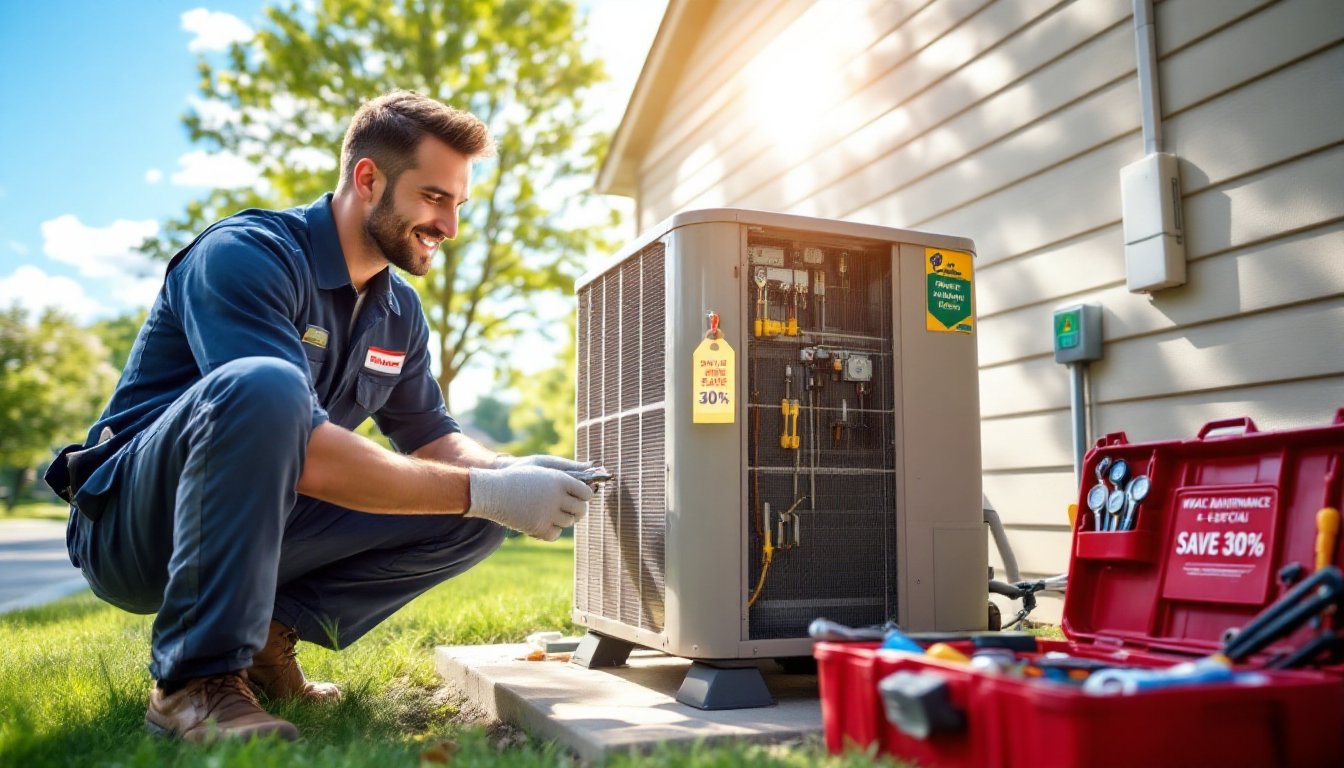
The outdoor condenser unit needs clear airflow to dump heat efficiently. Start by shutting off power at the disconnect box (mounted on the wall near the unit). Remove leaves, pine needles, and debris from the top and around the base.
Straighten bent coil fins with a fin comb (available at hardware stores for under $10). Fins bent more than 30 degrees restrict airflow and reduce efficiency. Work gently, aluminum fins are fragile.
Spray the coils from the inside out using a garden hose with a spray nozzle. Avoid pressure washers, which can bend fins or force water into electrical components. If coils are heavily caked with pollen or dirt, use a coil cleaner (foaming no-rinse formulas work well). Follow product directions and wear safety glasses, these cleaners are caustic.
Check the concrete pad under the unit. If it’s settled or tilted, the unit may vibrate excessively or trap water. Releveling a pad is a two-person job: lift the unit with a pry bar, slide gravel or shims underneath, and check level with a bubble level.
Trim vegetation back at least 24 inches on all sides of the unit. Shrubs and vines block airflow and provide cover for rodents, which sometimes chew through wiring. Homeowners dealing with routine seasonal tasks like these often find helpful reminders in seasonal maintenance guides tailored to regional climates.
When to Call a Professional HVAC Technician in Wilmington
Some tasks require EPA certification, specialized tools, or electrical expertise. Attempting them without training risks equipment damage, refrigerant leaks, or electrical shock.
Refrigerant work is illegal for unlicensed individuals under EPA regulations. If the system isn’t cooling properly and coils are clean, suspect a refrigerant leak or undercharge. Only a certified technician can add refrigerant, test pressures, or repair leaks.
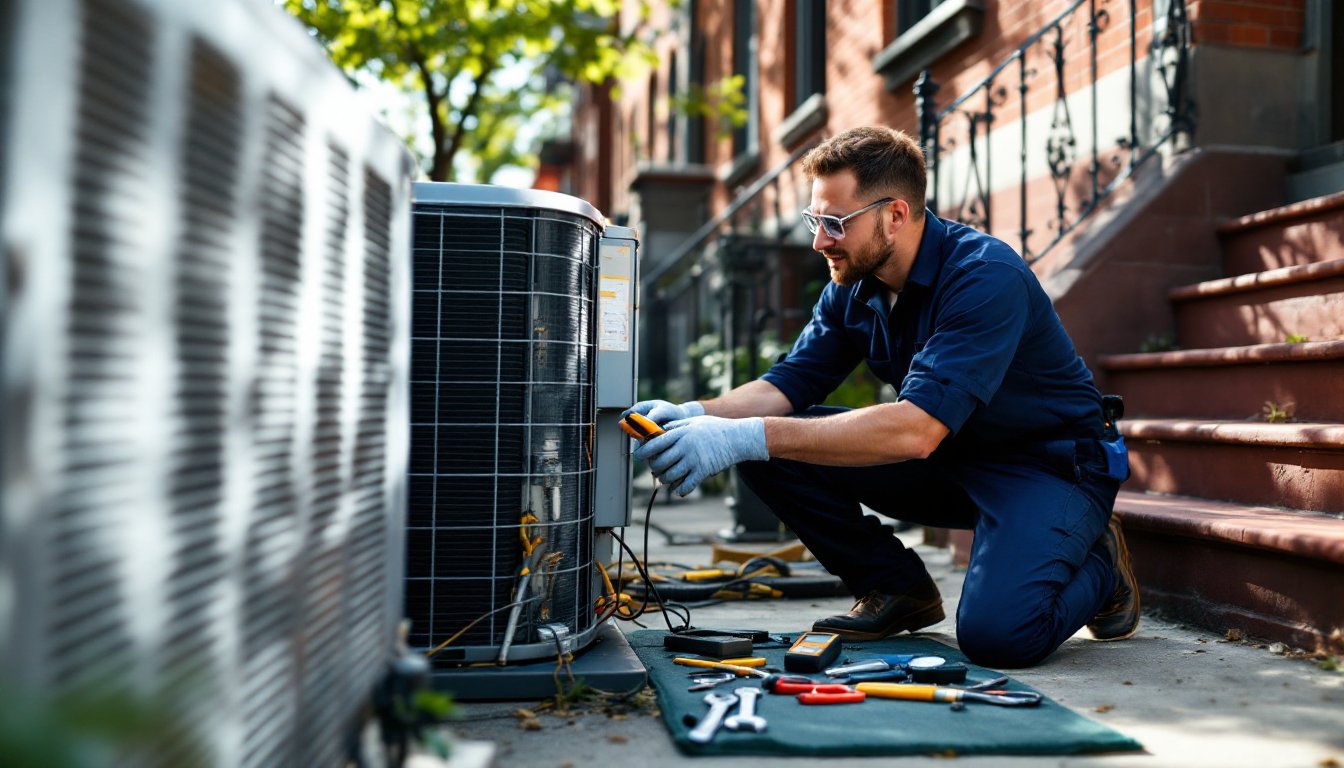
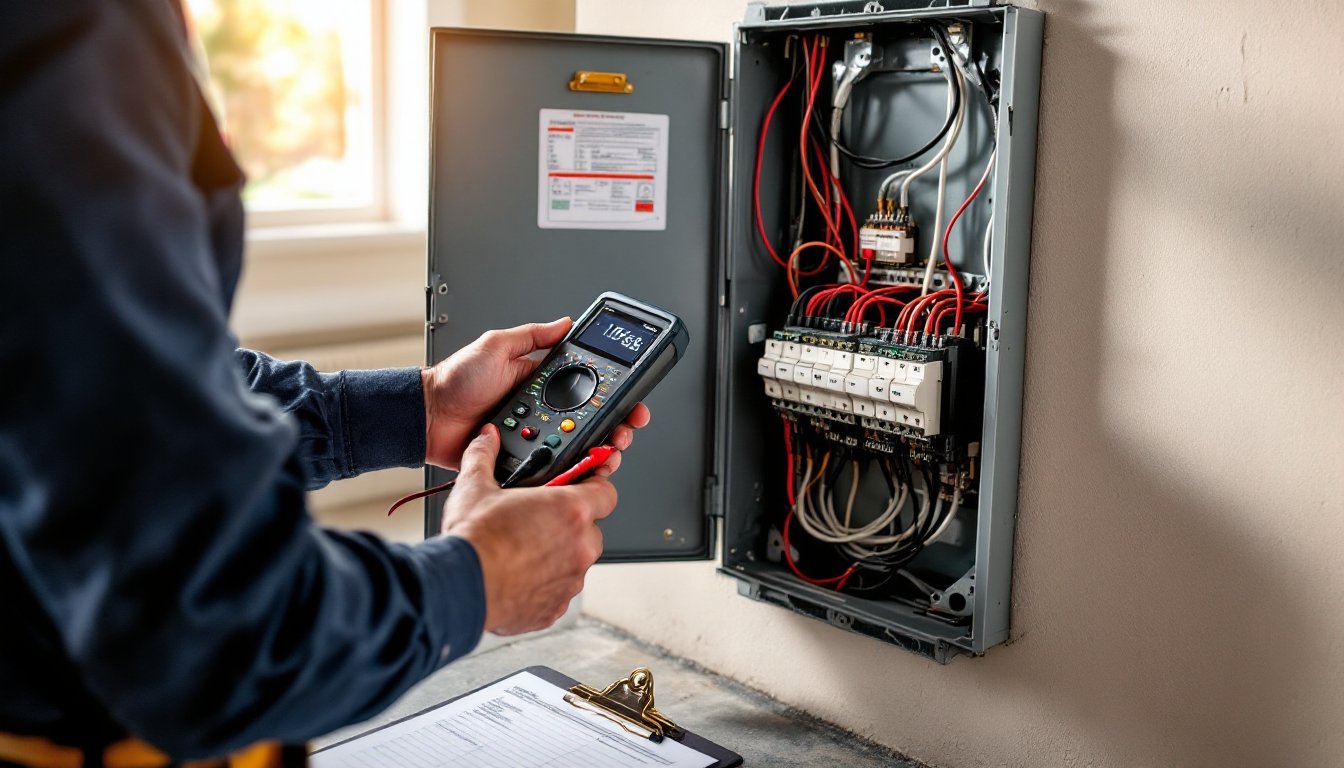
Electrical troubleshooting beyond simple breaker checks should be left to pros. Capacitors store high voltage even when power is off and can deliver a dangerous shock. Compressor contactors, relays, and control boards require multimeter testing and wiring knowledge.
Annual tune-ups are worth the cost, typically $80-$150 in the Wilmington area. A pro will check refrigerant charge, test capacitors, measure amp draw on motors, inspect heat exchangers for cracks, clean evaporator coils, and verify correct thermostat operation. Many issues that lead to expensive repairs are caught during these inspections.
If a system is more than 10 years old and needs a major repair (compressor, coil, or blower motor replacement), compare repair costs against replacement. A new system with a 16+ SEER rating can cut cooling costs by 30-40% compared to older 10-SEER units. When searching for qualified contractors, homeowners often reference resources listing local heating and air conditioning pros with verified reviews and service areas.
Heat pump issues are common in Wilmington due to year-round use. If a heat pump ices up in summer (evaporator coil) or winter (outdoor coil), shut it down and call a tech. Ice indicates airflow restriction, refrigerant problems, or a failing defrost control, all beyond DIY fixes.
Seasonal HVAC Maintenance Schedule for Wilmington Homeowners
A simple calendar keeps maintenance on track. Wilmington’s cooling season runs longer than the heating season, so AC components need more frequent attention.
Spring (March-April):
- Replace air filter
- Clean outdoor condenser coils and fins
- Clear drain line with a vinegar flush (1 cup poured down the condensate line)
- Schedule a professional tune-up before summer heat arrives
- Test thermostat operation in cooling mode
Summer (June-August):
- Check and replace air filter monthly
- Inspect outdoor unit for debris after storms
- Listen for unusual noises (grinding, squealing, rattling)
- Verify adequate airflow from all vents
Fall (October-November):
- Replace air filter
- Switch thermostat to heating mode and test operation
- Inspect furnace or heat pump for dust buildup
- Check exhaust flue (gas furnaces) for obstructions
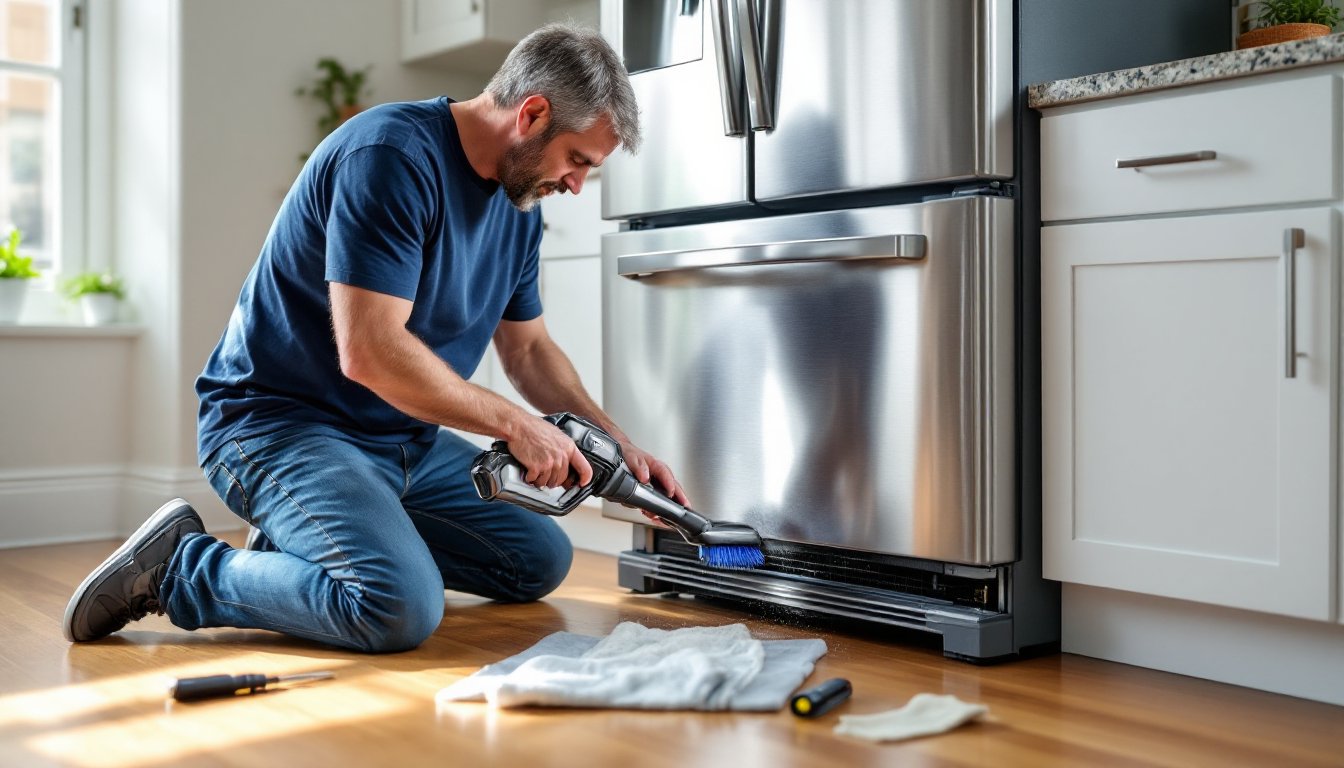
- Vacuum around indoor air handler
Winter (January-February):
- Replace air filter
- Check outdoor unit (heat pump) for ice buildup during defrost cycles
- Ensure outdoor unit isn’t blocked by leaves or debris
Wilmington’s high pollen count in spring (especially from oak and pine trees) clogs filters faster than average. During peak pollen weeks, check filters every two weeks. Homeowners managing multiple property systems or budgeting annual expenses may find cost planning tools useful for estimating service visits and replacement parts.
Cost-Saving Tips for HVAC Maintenance and Efficiency
Efficiency upgrades and smart habits reduce operating costs without sacrificing comfort. Small changes add up over a full year of operation.
Programmable or smart thermostats are the easiest efficiency upgrade. Set the system to run less when no one’s home. A 7-10°F setback for 8 hours a day can cut cooling costs by 10%. In Wilmington, aim for 78°F when home and 85°F when away. Heat pumps perform best with smaller temperature swings, avoid large setbacks that trigger auxiliary heat.
Ceiling fans allow higher thermostat settings by improving air circulation. Run fans counterclockwise in summer to push air down. A fan uses about 75 watts, while an AC uses 3,000-5,000 watts. Every degree you can raise the thermostat saves 3-5% on cooling costs.
Duct sealing is a DIY project with significant payback. Leaky ducts waste 20-30% of conditioned air. Seal accessible duct joints in attics, crawlspaces, and basements with mastic sealant and foil tape. Focus on connections near the air handler and at register boots.
Shade outdoor units when possible, but don’t restrict airflow. A unit in direct sun works harder than one in shade. Plant deciduous trees on the south and west sides of the home, they’ll block summer sun but allow winter warmth.
Maintenance contracts from local HVAC companies often cost $150-$250 per year and include two tune-ups plus discounts on repairs. For homeowners who skip DIY tasks, contracts ensure systems get professional attention and often include priority service during breakdowns.
Avoid closing vents in unused rooms. Modern systems are balanced for the whole house, and closing vents creates pressure imbalances that reduce efficiency and can damage ductwork. If a room is consistently too hot or cold, the issue is likely duct design or insulation, not airflow.