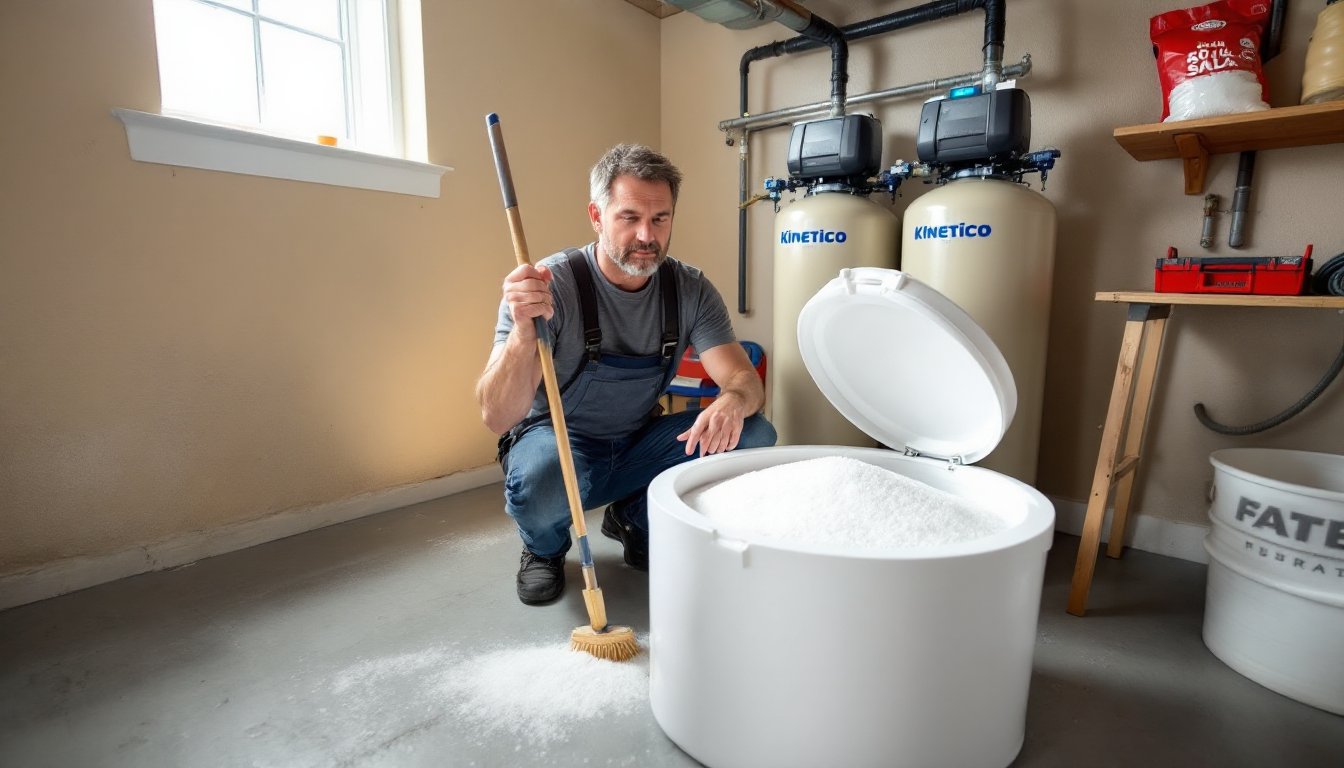
Kinetico water softeners are non-electric, twin-tank systems known for their reliability and efficiency. But like any mechanical system, they need routine maintenance to keep delivering soft water year after year. Neglecting simple upkeep leads to salt bridges, resin fouling, and eventually costly repairs. The good news? Most Kinetico maintenance tasks are straightforward enough for any homeowner to handle with basic tools and about an hour of time every few months. This guide walks through the monthly checks, annual deep-cleaning steps, and troubleshooting tactics that’ll keep the system running smoothly.
Table of Contents
ToggleKey Takeaways
- Regular Kinetico water softener maintenance—including monthly salt checks and annual tank cleaning—prevents costly repairs and extends the system’s lifespan to 15–20 years.
- Check salt levels monthly (keep 3–4 inches above the water line) and break up salt bridges with a blunt tool to ensure effective regeneration and consistent soft water delivery.
- Annual deep maintenance involves bypassing the system, emptying and bleaching the brine tank, inspecting the brine well float, and running a manual regeneration cycle to catch problems early.
- Use high-purity salt pellets (99.8% sodium chloride) over rock salt or crystals to minimize tank sludge, and pour slowly when refilling to avoid disturbing sediment.
- Call a professional for control valve issues, resin bed replacement (typically after 15+ years), or plumbing modifications, but handle routine salt refills and brine tank cleaning yourself with basic tools.
Why Regular Maintenance Matters for Your Kinetico System
Kinetico systems operate on demand rather than a timer, regenerating only when water usage and hardness levels trigger a cycle. That efficiency saves salt and water, but it also means the system relies on unobstructed flow and clean resin beads to measure usage accurately.
Skip maintenance, and you’ll see gradual performance drops: dishes with spots, soap scum buildup, and that telltale metallic taste in tap water. Salt bridges, a hardened crust that forms above the water line in the brine tank, prevent salt from dissolving and regenerating the resin. Iron fouling clogs the resin bed, especially in well water systems. Both issues reduce softening capacity and force the system to work harder, shortening its lifespan.
Routine checks catch these problems early. Most manufacturers, including Kinetico, design their systems for 15-20 years of service with proper care. That longevity depends on keeping the brine tank clean, the resin bed free of contaminants, and the salt supply consistent. A few minutes each month and an annual deep clean are all it takes to avoid a $500+ service call or premature system replacement.
Essential Monthly Maintenance Tasks
Monthly checks focus on the brine tank, the fiberglass or polyethylene tank where salt dissolves to create the brine solution that regenerates the resin beads. Set a recurring calendar reminder to inspect it on the first of each month.
Check the salt level visually. Open the lid and look inside. The salt should sit at least 3-4 inches above the water line at the bottom of the tank. If it’s below that, the system won’t generate enough brine for effective regeneration.
Look for a salt bridge. Tap the surface of the salt pile with a broom handle. If it sounds hollow or the salt doesn’t shift, you’ve got a bridge, a hardened layer that blocks contact between salt and water. Break it up carefully with a blunt tool (avoid sharp edges that could crack the tank). Scoop out loose chunks and discard them.
Inspect for salt mushing. This is a sludgy layer at the tank bottom, formed when salt dissolves and recrystallizes. If you notice the water level rising without the salt level dropping, mushing is the likely cause. You’ll need to empty the tank, scoop out the sludge, and refill with fresh salt.
Test water hardness occasionally. Use a home water hardness test kit (available at hardware stores for under $15). Draw a sample from a cold tap after the softener. If hardness exceeds 1 grain per gallon (gpg), the system may need servicing.
Checking and Refilling Salt Levels
Kinetico systems typically use high-purity salt pellets or solar salt crystals. Avoid rock salt, which contains insoluble minerals that gunk up the tank. Many seasonal maintenance guides recommend refilling the brine tank when the salt level drops to the quarter-full mark, but the exact timing depends on household water usage and hardness.
How much salt to add: Fill the tank to about two-thirds full, roughly 12-18 inches from the top, depending on tank size. Don’t overfill: salt needs space to dissolve and circulate. A 40-pound bag of pellets typically lasts a household of four about one month, though high-hardness areas may go through it faster.
What type of salt: High-purity pellets (99.8% sodium chloride) dissolve cleanly and leave minimal residue. Solar salt crystals are cheaper but can leave more sediment. Potassium chloride pellets are a low-sodium alternative but cost more and may require adjusting the system’s settings.
When refilling, don’t just dump the bag. Pour slowly to avoid disturbing any sediment at the tank bottom. If you’re switching salt types, empty the tank completely first to prevent clumping.
Annual Maintenance Checklist for Optimal Performance
Once a year, ideally in late spring or early fall, perform a deeper clean. You’ll need a wet/dry shop vac, a long-handled brush, a bucket, and about 90 minutes. Wear rubber gloves and safety goggles: brine is corrosive and can irritate skin and eyes.
1. Bypass the system. Locate the bypass valve (usually on the back or side of the control head). Turn the valve handles to divert water around the softener. This lets you work without shutting off water to the house.
2. Empty the brine tank. Scoop out remaining salt and set it aside in a clean bucket. Use the shop vac to remove brine water and any sludge at the bottom. Wipe down the interior with a damp cloth. Inspect for cracks or corrosion: if the tank is compromised, replace it.
3. Clean the brine tank. Mix a solution of 1/4 cup household bleach per gallon of water. Scrub the tank walls and bottom with the long-handled brush. Rinse thoroughly with fresh water until there’s no bleach smell. Let it air-dry for 30 minutes.
4. Inspect the brine well and float assembly. Inside the tank, you’ll see a vertical tube (the brine well) with a float mechanism. This controls water level. Remove the well cap and check for salt buildup or debris. Clean with warm water and a small brush. Ensure the float moves freely.
5. Check the resin tank and control valve. If your system has an accessible resin tank (some Kinetico models are sealed), inspect the distributor tube screen for debris. For systems with iron in the water, consider a resin cleaner like Iron-Out or Rust-Out once a year. Follow the product instructions: typically, you’ll add it to the brine tank before a regeneration cycle.
6. Test the system. Refill the brine tank with fresh salt. Return the bypass valve to the service position. Run a manual regeneration cycle (consult your Kinetico model’s manual, usually involves pressing a button or lever on the control head). This flushes the system and confirms everything’s working. Test water hardness again after the cycle completes.
Optional, check the pre-filter. If your system has a sediment pre-filter (common for well water setups), replace the cartridge annually or per the manufacturer’s schedule. A clogged filter reduces flow rate and forces the softener to work harder.
Troubleshooting Common Kinetico Issues
Hard water even though proper salt levels: First, verify you’re using the correct salt type. Then check for a stuck bypass valve, if it’s partially open, untreated water mixes with softened water. Run a manual regeneration cycle. If hardness persists, the resin bed may be exhausted (typically after 10-15 years) or fouled with iron or chlorine. Resin replacement requires a service tech.
Low water pressure: Kinetico systems shouldn’t significantly reduce pressure. If you notice a drop, check the pre-filter (if installed) for clogs. Inspect the bypass valve to ensure it’s fully in service position. Sediment buildup in the distributor screen can also restrict flow: this needs professional cleaning.
Salt mushing or frequent bridging: This usually means high humidity in the area where the tank sits (basements, crawl spaces). Improve ventilation or use a dehumidifier. Switch to high-purity pellets, which resist clumping better than crystals. Avoid storing extra salt bags near the tank: moisture from the tank can wick into the bags.
Regeneration cycles running constantly: Kinetico’s non-electric meter measures flow via a turbine. If the turbine sticks or the meter fails, the system may regenerate on every gallon. This is a control valve issue and typically requires a factory-trained technician. Don’t attempt to disassemble the control head yourself, it’s under warranty in most cases, and DIY repairs void coverage.
Salty-tasting water: The brine refill cycle may be overfilling the tank, or the drain line is clogged, preventing proper rinse. Check that the drain hose runs downhill without kinks. Test the float assembly in the brine well: if it’s stuck, water overfills and brine backs into the resin tank. Adjusting the float or clearing the drain usually fixes it, but persistent issues need a pro.
Resin beads in household water: If you see tiny yellowish beads at faucet aerators, the distributor screen in the resin tank has failed. This is a safety and performance issue, replace the screen immediately. The repair involves opening the resin tank, which most homeowners shouldn’t tackle. Contact Kinetico or a certified dealer.
When to Call a Professional vs. DIY Fixes
Most monthly and annual maintenance tasks are DIY-friendly. Refilling salt, cleaning the brine tank, and breaking up salt bridges require no special tools or training. Even replacing a sediment pre-filter is straightforward, just follow the cartridge manufacturer’s instructions.
Call a professional for:
Control valve or meter issues. The non-electric valve is Kinetico’s signature feature and also its most complex component. If the system won’t regenerate, cycles continuously, or shows erratic behavior, the valve likely needs recalibration or parts replacement. Authorized dealers have the diagnostic tools and OEM parts.
Resin bed replacement. After 15+ years or in homes with high iron or chlorine, resin beads lose their ion-exchange capacity. Swapping the media involves draining the tank, removing the old resin, and refilling with new beads, messy and time-consuming. Expect to pay $300-$600 for professional replacement, depending on tank size.
Plumbing or installation modifications. If you’re relocating the system, adding a bypass loop, or integrating a whole-house filter, hire a licensed plumber. Many home improvement projects require permits and code compliance, especially if you’re altering water supply lines.
Warranty work. Kinetico systems often carry 10-year warranties on tanks and components. DIY repairs can void coverage. If your system is under warranty and malfunctioning, contact the installing dealer first. They’ll handle repairs at no cost (or reduced cost) and maintain your warranty status.
Well water with heavy iron or sulfur. These contaminants require specialized treatment, pre-filters, iron filters, or oxidizing systems, upstream of the softener. A water treatment specialist can test your water and recommend the right setup. Detailed plumbing fixes often require professional assessment to ensure compatibility with existing systems.
For routine cleaning and salt management, trust your own hands. For anything involving disassembly of the control head or resin tank, trust a tech who’s done it a hundred times.
Conclusion
Kinetico water softeners are built for longevity, but they can’t maintain themselves. Monthly salt checks, annual tank cleanings, and prompt attention to performance dips keep the system delivering soft water without surprise breakdowns. Most tasks take less than an hour and require nothing more than a shop vac, a brush, and some elbow grease. Stay ahead of salt bridges and resin fouling, and the system will easily hit its 20-year service life.