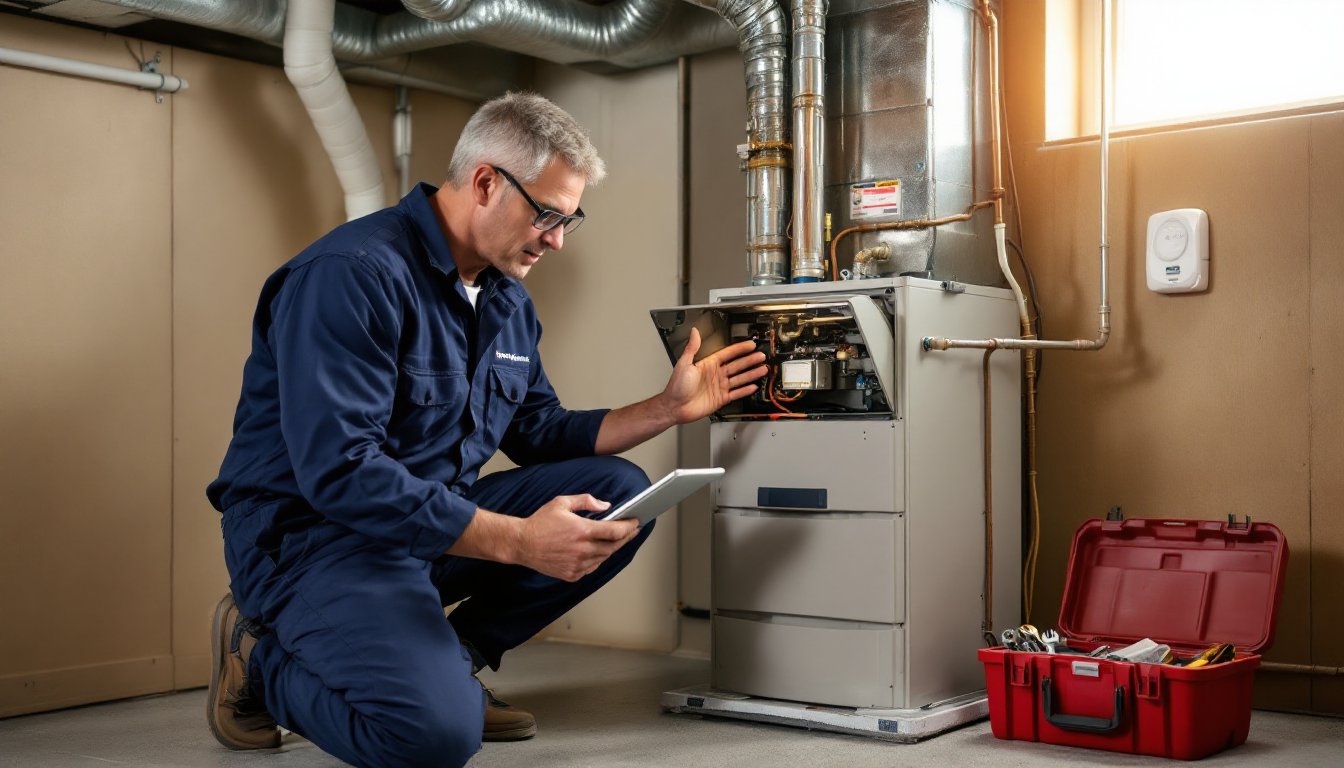
Your heating and cooling system is one of the most expensive, and essential, pieces of equipment in your home. Neglect it, and you’re looking at costly repairs, sky-high utility bills, and a breakdown right when you need it most. Regular furnace and AC maintenance isn’t about being precious with your equipment: it’s about keeping your home comfortable, safe, and energy-efficient year-round. Most homeowners can handle a surprising amount of HVAC upkeep themselves with basic tools and a few hours each season. This guide walks through what you need to know to maintain both systems, when to call a pro, and how to build a maintenance schedule that actually protects your investment.
Table of Contents
ToggleKey Takeaways
- Regular furnace and AC maintenance extends equipment lifespan by 5 to 15 years and reduces mid-season breakdowns by up to 95%.
- A dirty air filter or clogged evaporator coil forces your system to work harder, increasing energy consumption by 15-30% and raising monthly utility bills.
- Gas furnaces require annual professional inspections to check for carbon monoxide leaks and cracked heat exchangers, which are serious safety hazards.
- Simple DIY tasks like replacing air filters monthly, cleaning condensate drains quarterly, and vacuuming the blower compartment prevent most common HVAC failures.
- Create a seasonal maintenance schedule with spring AC tune-ups, fall furnace inspections, and monthly filter checks to catch problems before they become expensive emergencies.
- Many manufacturers require proof of annual furnace and AC maintenance to honor warranty claims, so skipping service could void coverage on costly component replacements.
Why Regular HVAC Maintenance Matters for Your Home
HVAC systems don’t fail overnight. They deteriorate gradually, filters clog, coils collect dust, capacitors weaken, and efficiency drops by 5% or more each year without maintenance. By the time you notice reduced performance, you’ve already wasted money on higher energy bills and put unnecessary stress on components.
Regular maintenance extends equipment lifespan by 5 to 15 years. A well-maintained furnace can last 20+ years: a neglected one might fail at 12. The same applies to central air conditioning units. According to seasonal maintenance guides, consistent upkeep reduces the likelihood of mid-season breakdowns by up to 95%.
Energy efficiency is another major factor. A dirty evaporator coil or clogged filter forces your system to work harder, increasing electricity or gas consumption by 15-30%. That’s real money every month. Plus, many manufacturers require proof of annual maintenance to honor warranty claims, skip it, and you might void coverage on a $1,200 compressor replacement.
Safety is non-negotiable, especially for gas furnaces. Carbon monoxide leaks, cracked heat exchangers, and improper combustion are serious hazards that routine inspections catch early. If you’re not checking your system regularly, you’re rolling the dice on both equipment failure and household safety.
Essential Furnace Maintenance Tasks Every Homeowner Should Know
Furnace maintenance falls into two categories: what you can do yourself and what requires a licensed HVAC technician. Homeowners should handle routine tasks quarterly or seasonally: professionals should inspect the system annually, ideally before heating season starts.
Annual professional inspections should include combustion analysis, heat exchanger inspection (looking for cracks or corrosion), gas pressure testing, thermostat calibration, and a full safety check. This isn’t optional for gas furnaces, cracked heat exchangers can leak carbon monoxide, and that’s a life-threatening issue. If your furnace is over 15 years old, expect closer scrutiny. Techs will also check the flue pipe and venting system to ensure combustion gases exit properly.
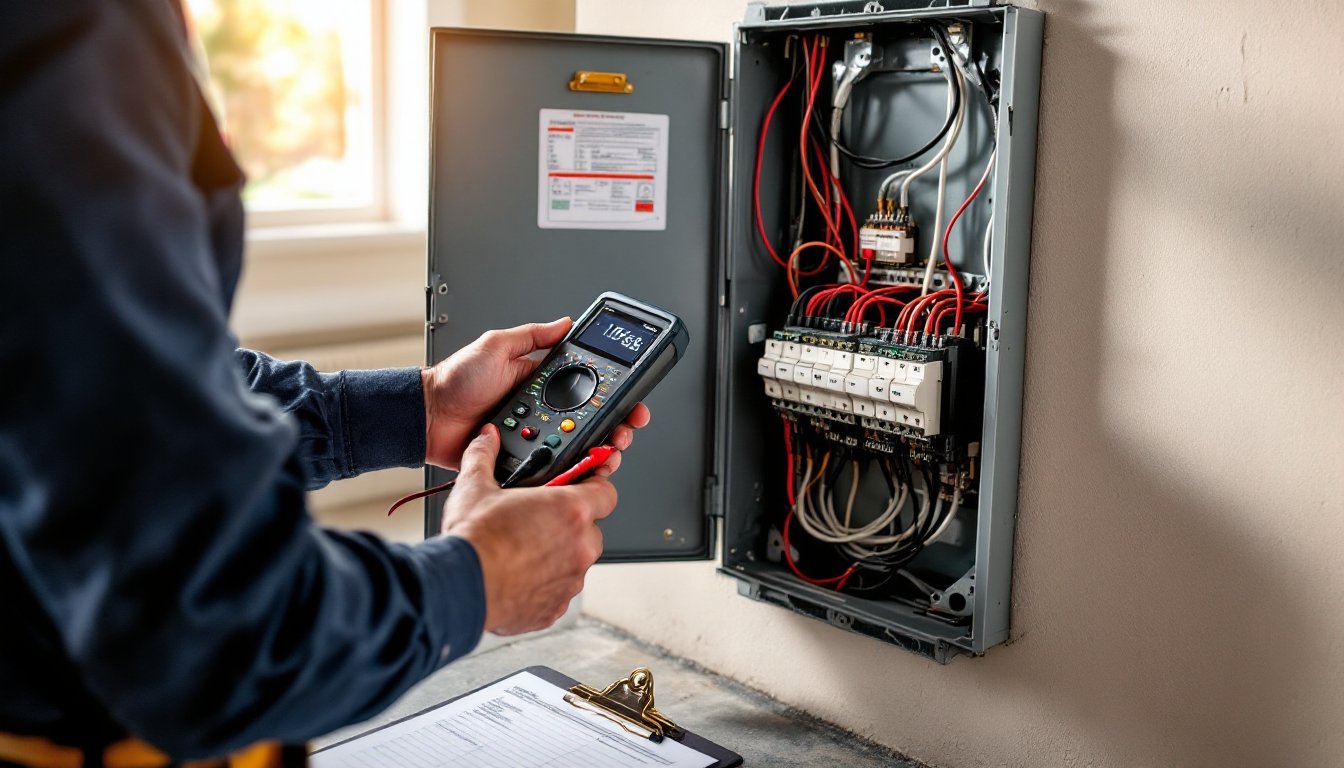
Electrical components, capacitors, blower motors, and relays, should be tested under load. If a capacitor is weak, it’ll fail mid-winter, and you’ll be without heat until a tech can arrive. Many service plans include priority scheduling, which is worth considering if you live in a cold climate.
Permits aren’t typically required for routine maintenance, but any work involving gas lines, electrical upgrades (like a new breaker), or structural changes to venting will need one. Check local codes before attempting repairs beyond basic upkeep.
DIY Furnace Maintenance You Can Do Yourself
Replace the air filter every 1-3 months depending on usage, pets, and filter type. Standard 1-inch fiberglass filters should be swapped monthly during heavy use: 4-inch pleated filters can last 3-6 months. A clogged filter is the #1 cause of furnace breakdowns. Mark your calendar or set a phone reminder.
Inspect the flame sensor annually. This small metal rod sits in the burner assembly and proves the pilot or igniter is working. If it’s coated in soot or oxidation, your furnace will start, run for a few seconds, then shut down. Clean it gently with fine-grit sandpaper or a dollar bill, don’t scratch the surface.
Vacuum the blower compartment and burners once a year before heating season. Turn off power at the breaker and the furnace shutoff switch (usually a red switch on or near the unit). Remove the access panel, and use a shop vac to clear dust and debris from the blower wheel, burner tubes, and flame sensor area. This takes 15 minutes and prevents many service calls.
Check the condensate drain (on high-efficiency furnaces). These units produce water as a byproduct of combustion. If the drain line clogs, the furnace will shut down to prevent water damage. Pour a cup of vinegar or bleach solution through the drain every few months to keep it clear.
Test your carbon monoxide detectors monthly. Install one on every floor, especially near bedrooms. If you have a gas furnace and don’t have CO detectors, stop reading and go buy them. They’re $20-$40 and non-negotiable.
Air Conditioner Maintenance Checklist for Peak Performance
Central air conditioning systems are simpler than furnaces in some ways, no combustion, no gas lines, but they’re just as vulnerable to neglect. The two main enemies are dirt and refrigerant loss. Keep the system clean and check for leaks annually, and you’ll get 15-20 years of reliable cooling.
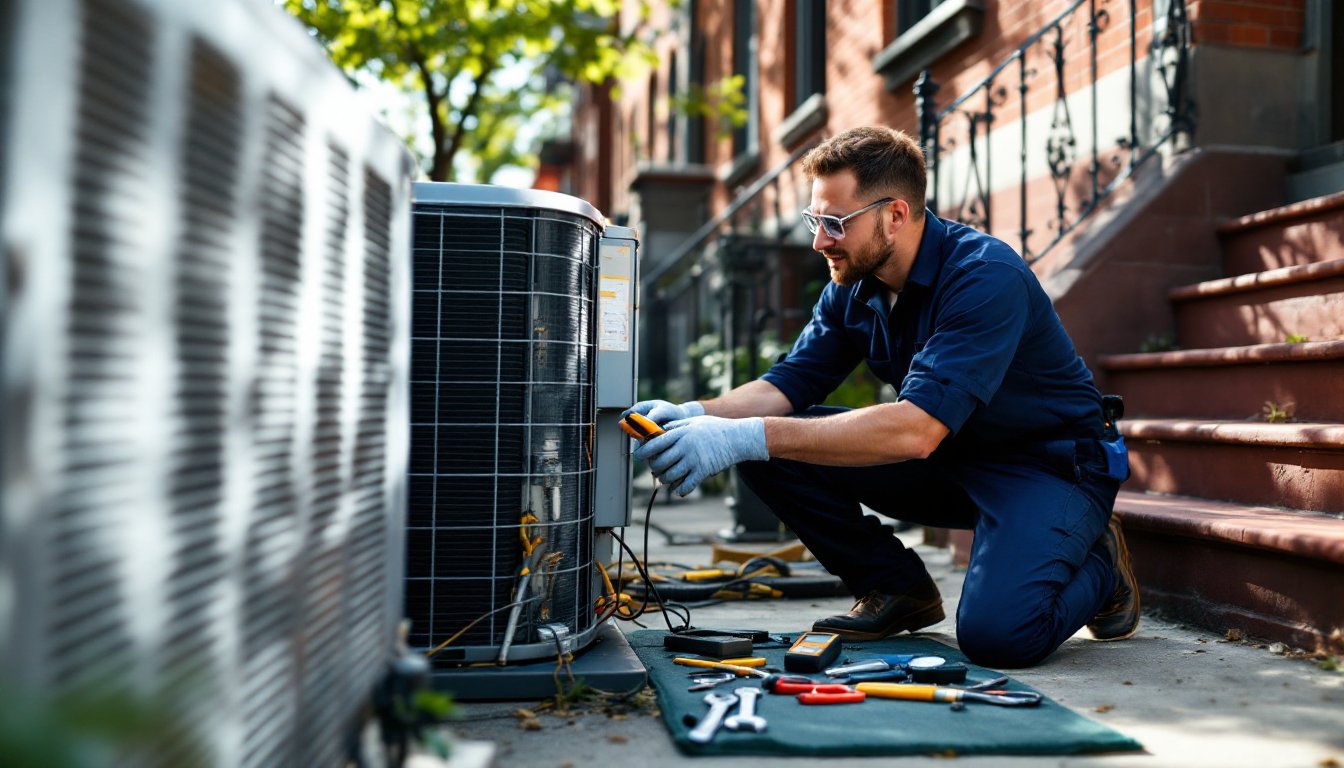
Professional AC service should happen every spring before cooling season. A tech will check refrigerant levels (low refrigerant means a leak somewhere), test the compressor and capacitor, inspect electrical connections, measure airflow across the evaporator coil, and clean or straighten condenser fins. Refrigerant work requires an EPA Section 608 certification, this is not a DIY task. If your system is low on refrigerant, don’t just top it off. Find and fix the leak first, or you’ll be paying for refrigerant every year.
Capacitors fail frequently, especially in hot climates. If your AC hums but won’t start, or if it runs but the fan doesn’t spin, the capacitor is a likely culprit. Replacement is a $150-$300 service call and takes about 20 minutes. Some homeowners replace capacitors themselves, but you’re dealing with high voltage even when the unit is off, discharge the capacitor with an insulated screwdriver across the terminals before touching anything, and if you’re not 100% confident, call a pro.
Many home service guides recommend biannual professional service, but for most residential systems, annual spring maintenance plus diligent DIY upkeep is sufficient unless you live in a climate where the AC runs 8+ months a year.
Simple AC Maintenance Steps to Keep Your System Running
Clean or replace the air filter monthly during cooling season, just like with the furnace. Some systems share the same filter: others have separate filters for heating and cooling.
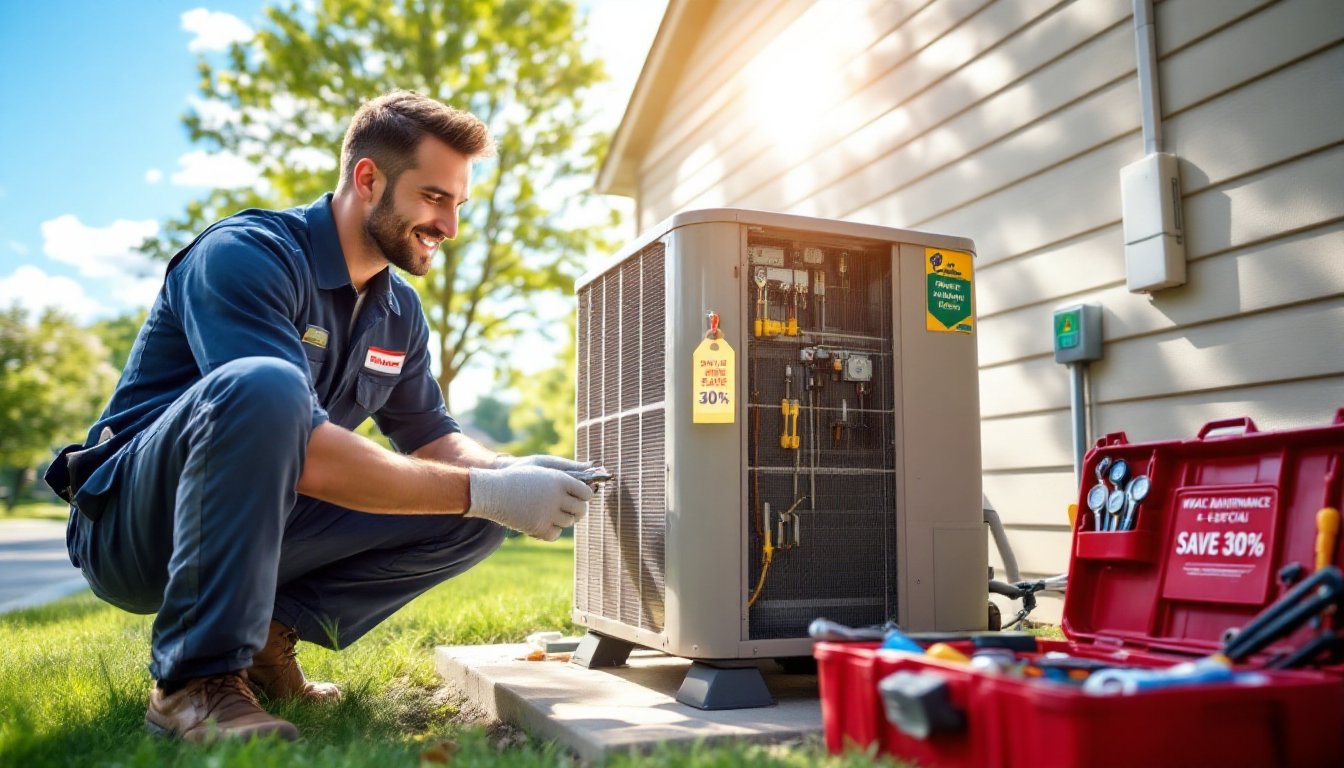
Clear debris from the condenser unit (the outdoor box). Shut off power at the disconnect box near the unit. Remove leaves, grass clippings, and dirt from around the unit. Use a garden hose to spray down the condenser coils from the inside out, spray gently to avoid bending the thin aluminum fins. Don’t use a pressure washer. Do this at least once a year, ideally in early spring.
Straighten bent fins with a fin comb (about $8 at hardware stores) or a butter knife. Bent fins restrict airflow and reduce efficiency. Work carefully: the fins are delicate.
Check the condensate drain line on the indoor evaporator coil. Like furnace drains, these can clog with algae and mold. Pour a cup of vinegar or a bleach-water solution (1:1 ratio) through the drain every month during cooling season. If the drain pan is full of water, the line is clogged, clear it with a wet/dry vac from the outside drain terminus.
Inspect insulation on refrigerant lines. The larger of the two copper lines running from the condenser to the air handler should be wrapped in foam insulation. If it’s damaged or missing, moisture will condense on the line and drip, and efficiency will drop. Replace damaged insulation with new foam pipe insulation (available at any home center in various diameters).
Level the condenser pad. Over time, the concrete or composite pad under your outdoor unit can settle or shift. If it’s more than an inch or two out of level, the compressor can suffer premature wear. Use a level and shim the pad with composite shims or gravel if needed. Don’t ignore this, compressors are the most expensive component to replace.
Creating Your Seasonal HVAC Maintenance Schedule
A good maintenance schedule keeps tasks manageable and catches problems before they become emergencies. Most HVAC maintenance follows a spring/fall rhythm, with monthly filter checks year-round.
Spring (before cooling season):
- Schedule professional AC inspection and tune-up
- Clean condenser coils and clear debris from outdoor unit
- Check and clean condensate drain line
- Replace air filter
- Test thermostat in cooling mode
Fall (before heating season):
- Schedule professional furnace inspection
- Replace air filter
- Vacuum blower compartment and burners
- Clean flame sensor (if applicable)
- Test carbon monoxide detectors
- Check furnace condensate drain (high-efficiency models)
Monthly year-round:
- Check and replace air filters as needed
- Listen for unusual noises (grinding, squealing, banging)
- Verify thermostat is working correctly
Quarterly:
- Inspect visible ductwork for leaks or disconnected sections
- Check insulation on refrigerant lines (AC) and flue pipes (furnace)
- Clear vents and registers of furniture or obstructions
Set reminders on your phone or tie tasks to calendar events, filter changes on the first of each month, professional service the week after daylight saving time changes. If you use a service provider directory to book HVAC pros, many offer automatic annual reminders and service plans that bundle inspections at a discount.
Consider a service contract with a local HVAC company if you’d rather outsource the schedule. These typically run $150-$300/year and include two annual inspections (spring and fall), priority service, and discounts on repairs. For homeowners who aren’t comfortable working on mechanical systems, it’s a good investment.
Keep records of all maintenance and repairs. Note filter changes, service dates, parts replaced, and refrigerant levels. This documentation helps with warranty claims, troubleshooting, and resale value. A well-maintained HVAC system is a selling point.
Conclusion
HVAC maintenance isn’t glamorous, but it’s one of the highest-return tasks a homeowner can do. An hour of cleaning coils and swapping filters twice a year will save thousands in repairs and energy costs over the life of your system. Handle the routine tasks yourself, bring in a licensed tech for annual inspections, and stay on top of the schedule. Your furnace and AC will last longer, run more efficiently, and break down a lot less often, which means you stay comfortable no matter what the weather throws at you.