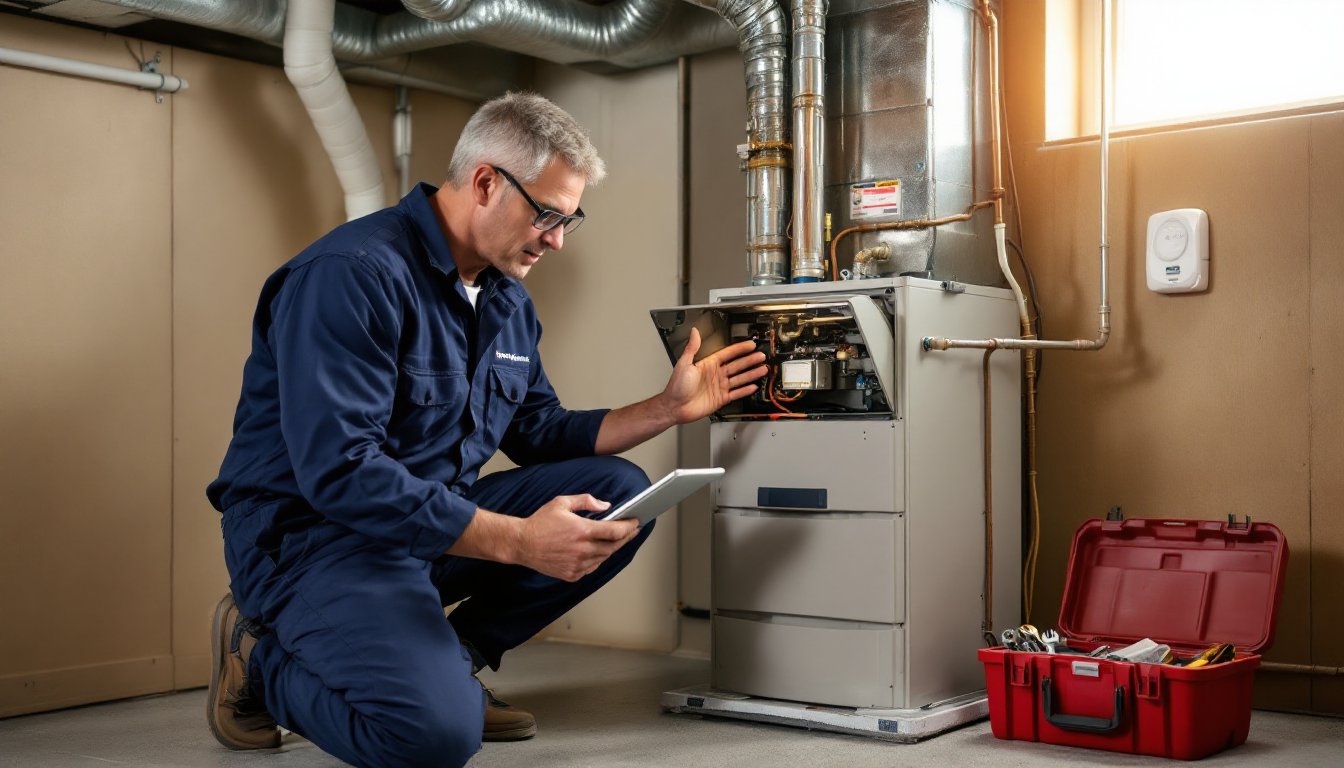
Cincinnati winters demand a reliable furnace. When temperatures drop to the teens and the wind whips off the Ohio River, a furnace breakdown isn’t just an inconvenience, it’s a safety hazard. Regular maintenance keeps heating systems running efficiently, reduces energy bills, and prevents costly emergency repairs during the coldest months. Most homeowners can handle basic upkeep themselves, but knowing when to call in a professional makes the difference between a warm home and a expensive mid-winter replacement.
Table of Contents
ToggleKey Takeaways
- Regular furnace maintenance in Cincinnati prevents costly emergency repairs during harsh winters and maintains 85-98% efficiency, avoiding $150-300 in annual energy waste.
- Monthly filter replacements and clearing vents are simple DIY tasks every homeowner can perform, but annual professional inspections with diagnostic tools catch safety hazards like cracked heat exchangers and CO leaks.
- Schedule furnace maintenance in September-October before heating season peaks to secure better HVAC company rates and catch problems before temperatures drop below 50°F.
- Short cycling, ignition failures, and inconsistent heating between rooms are common Cincinnati furnace problems that DIY filter changes and thermostat checks can often resolve.
- Furnaces over 20 years old lose significant efficiency and may cost less to replace than repair—when maintenance alone costs exceed half the price of a new unit, replacement becomes the smarter investment.
Why Regular Furnace Maintenance Matters in Cincinnati’s Climate
Cincinnati’s humidity and temperature swings create unique challenges for heating systems. Winter lows average 24°F in January, but the region sees frequent freeze-thaw cycles that stress HVAC components. Moisture from the humid Ohio Valley climate can corrode heat exchangers and electrical connections faster than in drier climates.
A well-maintained furnace operates at 85-98% efficiency depending on its AFUE (Annual Fuel Utilization Efficiency) rating. Neglected units lose 5-10% efficiency each year due to dirt buildup on burners and blower components. That translates to $150-300 in wasted energy per heating season for the average Cincinnati home.
Furnace failures peak in December and January when systems run continuously. According to professionals at HomeAdvisor, emergency repair calls during winter months cost 40-60% more than scheduled maintenance visits. A $150 annual tune-up beats a $400 service call at 2 a.m. when the outdoor temperature hits 15°F.
Carbon monoxide risks increase with poor maintenance. Cracked heat exchangers and blocked vents can leak CO into living spaces. Cincinnati homes built before 1990 often have older furnaces nearing end-of-life, making annual inspections critical for safety. Install CO detectors on every floor and replace batteries annually.
Essential Furnace Maintenance Tasks Every Cincinnati Homeowner Should Know
DIY Maintenance You Can Handle Yourself
Filter replacement tops the list of homeowner tasks. Standard 1-inch fiberglass filters need replacement every 30 days during heating season. Pleated filters (MERV 8-11) last 90 days but restrict airflow if left longer. Furnaces in Cincinnati homes with pets or high dust levels need monthly changes regardless of filter type.
Check your filter size, common dimensions include 16x20x1, 20x25x1, and 16x25x1. Buy filters in bulk packs of six to save money. A dirty filter reduces airflow by 30-50%, forcing the blower motor to work harder and shortening its lifespan.
Thermostat calibration ensures accurate temperature readings. Place a separate thermometer near the thermostat and compare readings. If they differ by more than 2°F, the thermostat may need replacement. Programmable and smart thermostats can reduce heating costs by 10-15% through automated temperature setbacks.
Clear vents and registers throughout the house. Furniture, curtains, and storage boxes blocking vents reduce system efficiency and create uneven heating. Vacuum register grilles monthly to remove dust buildup.
Inspect the flame through the furnace observation window (if equipped). Gas furnace flames should burn steady blue with minimal yellow tips. A yellow or flickering flame indicates incomplete combustion, shut down the unit and call a technician immediately.
Clean the area around the furnace. Combustion air needs clear pathways. Keep a 30-inch clearance on all sides. Never store paint, gasoline, or cleaning chemicals near the furnace, vapors can ignite or damage components.
When to Call a Professional Technician
Annual professional inspections catch problems homeowners can’t detect. Licensed HVAC technicians have combustion analyzers, manometers, and other diagnostic tools to measure system performance precisely.
Gas valve and burner cleaning requires specialized knowledge. Technicians disassemble burner assemblies, clean orifices, and adjust gas pressure to manufacturer specifications. Improper adjustments create safety hazards.
Heat exchanger inspection identifies cracks before they leak carbon monoxide. Technicians use mirrors, cameras, or dye tests to examine internal surfaces. Heat exchangers in furnaces over 15 years old need careful scrutiny, replacement often costs $1,200-2,000, which may justify full system replacement instead.
Blower motor lubrication and belt inspection extend component life. Many modern furnaces have sealed bearings, but older units need annual oiling. Blower belts should have 1/2 to 3/4 inch deflection when pressed. Cracked or glazed belts need immediate replacement.
Flue pipe and vent inspection ensures safe exhaust. Technicians check for corrosion, blockages, and proper draft. Birds occasionally nest in vent pipes during summer, professionals with Angi ratings remove blockages and install screens to prevent recurrence.
Electrical connections and capacitor testing prevent mid-season failures. Loose wires cause arcing and fire risks. Capacitors weaken over time and should be tested annually. Replacement costs $150-250 including labor.
Seasonal Furnace Maintenance Schedule for Cincinnati Homes
September-October marks prime maintenance season. Schedule professional inspections before heating demand peaks. HVAC companies offer better rates and availability before cold weather arrives. Technicians can typically complete a full inspection and tune-up in 60-90 minutes.
Replace filters at the start of heating season even if the existing filter looks clean. Summer humidity encourages mold growth in ductwork, a fresh filter prevents spores from circulating.
Test the thermostat and heating cycle before nighttime temperatures drop below 50°F. Set the thermostat 5 degrees above room temperature and verify the furnace ignites within 30 seconds. Listen for unusual noises during startup, grinding, squealing, or banging sounds indicate mechanical problems.
Mid-winter checks (December-January) should include filter replacement and visual inspections. Look for water pooling near the furnace, high-efficiency condensing units produce condensate that drains through PVC pipes. Frozen or clogged drain lines cause shutdowns.
Check emergency shutoff switches near the furnace and at the top of basement stairs. Accidentally flipped switches cause most “no heat” calls. The switch should be in the ON position and clearly labeled.
Spring shutdown (March-April) involves final filter changes and cleaning. Vacuum dust from the blower compartment and around the furnace cabinet. Consider covering the outdoor AC condenser if you have a split HVAC system, furnace and AC maintenance complement each other.
Document maintenance dates, filter changes, and any issues in a service log. Maintenance records help diagnose recurring problems and prove diligence if warranty claims become necessary. Most furnace manufacturers require annual professional maintenance to maintain warranty coverage.
Common Furnace Problems Cincinnati Residents Face and How to Prevent Them
Short cycling, the furnace turning on and off every few minutes, signals airflow restrictions or thermostat problems. Dirty filters cause 60% of short cycling cases. Check and replace filters first. If the problem persists, the furnace may be oversized for the home, a common issue in older Cincinnati houses with updated insulation.
Ignition failures prevent startup on gas furnaces. Modern units use electronic ignition rather than standing pilot lights. Dirty flame sensors or weak ignitors cause most failures. Technicians clean sensors with fine emery cloth and test ignitor resistance, replacement costs $150-300.
Loud bangs at startup indicate delayed gas ignition. Gas accumulates in the combustion chamber before igniting, creating a small explosion. This damages heat exchangers over time. The problem requires immediate professional attention, never continue operating a furnace that bangs on startup.
Inconsistent heating between rooms points to ductwork issues. Cincinnati’s older homes often have uninsulated ducts in crawl spaces or attics, losing 25-40% of heated air before it reaches living spaces. Sealing duct joints with mastic (not standard duct tape, which fails) and adding insulation improves comfort and efficiency.
High energy bills even though normal operation suggest declining efficiency. Furnaces over 20 years old operate at 60-70% efficiency even with maintenance. Modern high-efficiency units (95%+ AFUE) cut heating costs by 30-40%. DIY experts at Bob Vila recommend evaluating replacement when repair costs exceed half the price of a new unit.
Pilot light problems on older furnaces with standing pilots require thermocouple replacement. The thermocouple generates voltage when heated, signaling the gas valve to stay open. These wear out every 5-7 years and cost $20-40 for parts. Replacement takes 15 minutes for someone comfortable working with gas lines, otherwise, call a pro.
Blower runs continuously even when not heating. This indicates a stuck relay or incorrect fan switch setting. Most thermostats have AUTO and ON settings. AUTO runs the blower only during heating cycles, while ON runs it constantly. Check thermostat settings before calling for service.
Conclusion
Furnace maintenance isn’t glamorous, but it prevents expensive failures when Cincinnati temperatures plummet. Homeowners who change filters monthly, schedule annual professional tune-ups, and address minor issues promptly avoid most emergency repairs. A well-maintained furnace lasts 18-22 years, neglected units often fail by year 12.