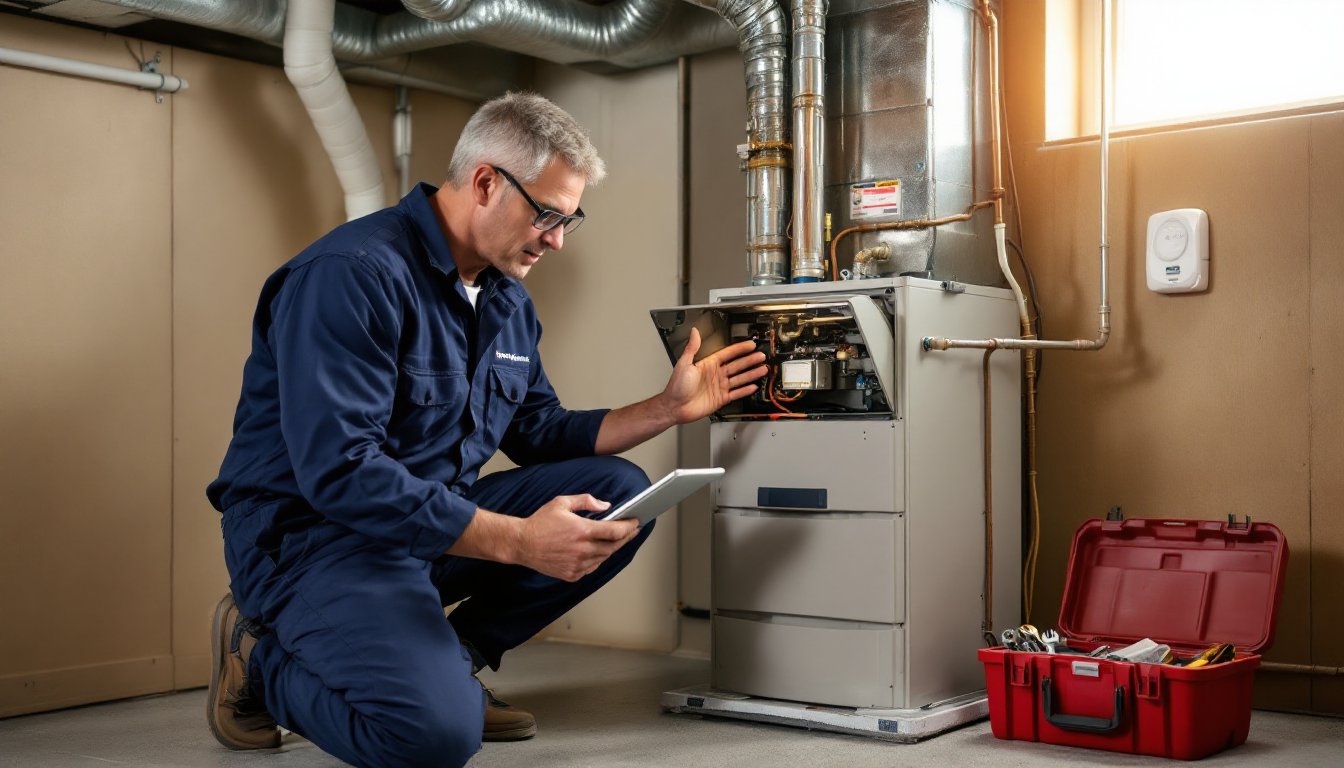
Colorado Springs winters hit hard, sometimes dropping below zero with wind chills that make you question every life decision. Your furnace isn’t just another appliance here: it’s what stands between you and a frozen nightmare. Most furnace failures happen in the dead of January, usually around 2 a.m., because that’s when neglected systems finally give up. Regular maintenance isn’t optional in this climate, it’s survival prep. This guide walks homeowners through the essential tasks they can handle themselves, when to call in the pros, and how to build a maintenance schedule that actually keeps your furnace running when you need it most.
Table of Contents
ToggleKey Takeaways
- Colorado Springs’ high elevation and extreme temperature swings create unique furnace stress, making regular furnace maintenance Colorado Springs a critical survival measure rather than an optional chore.
- Homeowners can handle 70% of common furnace failures through DIY tasks like replacing filters every 30 days, testing thermostats, and clearing vents, but gas lines and heat exchangers require licensed HVAC professionals.
- A dirty flame sensor or misaligned burner can increase gas consumption by 15-20%, and homeowners who schedule pre-season maintenance spend an average of 40% less on emergency repairs over the furnace’s lifespan.
- Never bypass safety components like flame sensors or limit switches; instead, schedule professional inspections before October when service demand spikes and wait times stretch to weeks.
- Proper furnace maintenance twice yearly—DIY checks in fall and professional inspections every 1-2 years—can extend a furnace’s life by 5-10 years and prevent costly emergency repair bills.
Why Furnace Maintenance Matters in Colorado Springs’ Climate
Colorado Springs sits at 6,035 feet elevation where the air is thin and dry, and temperature swings can hit 40 degrees in a single day. That constant thermal cycling puts serious stress on furnace components, blower motors work harder in thin air, heat exchangers expand and contract more aggressively, and ignition systems face more start cycles than furnaces in milder climates.
The Front Range climate creates specific maintenance challenges. Low humidity (often 10-20% in winter) dries out rubber gaskets and seals faster than coastal regions. Dust from the high desert blows through every crack in your ductwork, clogging filters in weeks instead of months. When a system fails here, it’s not just uncomfortable, it’s dangerous. Pipes can freeze in hours, and emergency service calls during peak season run $200-400 just to show up, with repairs adding hundreds more.
Neglected furnaces also burn more fuel. A dirty flame sensor or misaligned burner can increase gas consumption by 15-20%, which translates to real money over a five-month heating season. Carbon monoxide risks climb too, cracked heat exchangers and incomplete combustion are more common in poorly maintained systems. Colorado building codes (following the International Residential Code) require functional CO detectors within 15 feet of sleeping areas, but the detector only helps if it’s working and you’re awake.
Most HVAC contractors in the area recommend annual inspections before October, when service calls spike and wait times stretch to weeks. According to regional contractor networks, homeowners who schedule pre-season maintenance spend an average of 40% less on emergency repairs over the life of their furnace.
Essential DIY Furnace Maintenance Tasks Every Homeowner Should Know
Most homeowners can handle basic maintenance that prevents 70% of common furnace failures. You don’t need an HVAC license to swap filters or clear vents, just attention to detail and respect for what you shouldn’t touch.
Filter Replacement and Air Quality Checks
Furnace filters are rated by MERV (Minimum Efficiency Reporting Value), most residential systems use MERV 8-11. Higher ratings trap more particles but restrict airflow if your blower can’t handle the resistance. Check your furnace manual: forcing a MERV 13 filter into a system designed for MERV 8 can overheat the blower motor.
Replacement schedule:
- Standard 1-inch fiberglass filters: every 30 days in Colorado Springs (dust and dryness clog them fast)
- Pleated 1-inch filters: every 60-90 days
- 4-inch media filters: every 6-12 months
- If you have pets, cut those intervals in half
Turn off power at the furnace switch (looks like a light switch, usually red or gray, mounted on or near the unit) before opening the filter compartment. Slide the old filter out and note the airflow arrows printed on the frame, install the new one with arrows pointing toward the blower motor. A backwards filter can reduce efficiency by 25%.
While the filter’s out, shine a flashlight into the blower compartment. You shouldn’t see dust buildup on the fan blades. If you do, it’s time for a deeper cleaning (more on that below). Check return vents throughout the house, furniture blocking returns forces the system to work harder and can trip the limit switch.
Thermostat Calibration and System Testing
Modern programmable thermostats drift over time. Grab a quality thermometer (not your phone’s weather app) and tape it to the wall next to the thermostat. Wait 15 minutes, then compare readings. If they’re off by more than 2-3 degrees, recalibrate following the manufacturer’s instructions, or replace the thermostat if it’s more than 10 years old.
Test the system before you need it:
- Set the thermostat to heat mode, 5 degrees above current room temperature
- Listen for the ignition sequence, most modern furnaces have an electronic ignition (hot surface ignitor or spark) instead of a standing pilot
- Furnace should fire within 30-60 seconds
- Feel the supply registers (vents blowing air into rooms), air should be warm within 90 seconds
- Let it run for 15 minutes and check all registers: cold spots indicate duct issues
If the blower runs but air stays cold, or you smell gas (rotten egg odor from the added mercaptan), shut everything down and call a professional immediately. Some problems announce themselves, others are silent killers.
Safety note: Never bypass a flame sensor or limit switch “just to get through the night.” Those components prevent fires and carbon monoxide poisoning.
When to Call a Professional for Furnace Service in Colorado Springs
There’s a clear line between homeowner maintenance and work that requires a licensed HVAC technician with proper tools and training.
Call a pro for:
- Anything involving gas lines or combustion components. Gas work requires permits in most Colorado Springs jurisdictions, and homeowner insurance may deny claims for DIY gas repairs that cause damage.
- Heat exchanger inspection. Cracks aren’t always visible, and CO leaks can kill. Techs use cameras and combustion analyzers to detect problems.
- Blower motor issues. If the motor hums but doesn’t spin, or trips the breaker repeatedly, it’s likely failed bearings or a bad capacitor. Capacitors store lethal voltage even when power is off.
- Ductwork sealing and balancing. Properly sealing ducts can improve efficiency by 20%, but it requires access to crawl spaces, mastic sealant knowledge, and sometimes insulation work.
- Flame sensor cleaning (technically DIY-able, but easy to damage). These flame rods cost $15-40 to replace but require disconnecting gas lines to access on some models.
- Pressure switch or inducer motor problems. These safety components involve draft pressure calculations and venting requirements, not beginner territory.
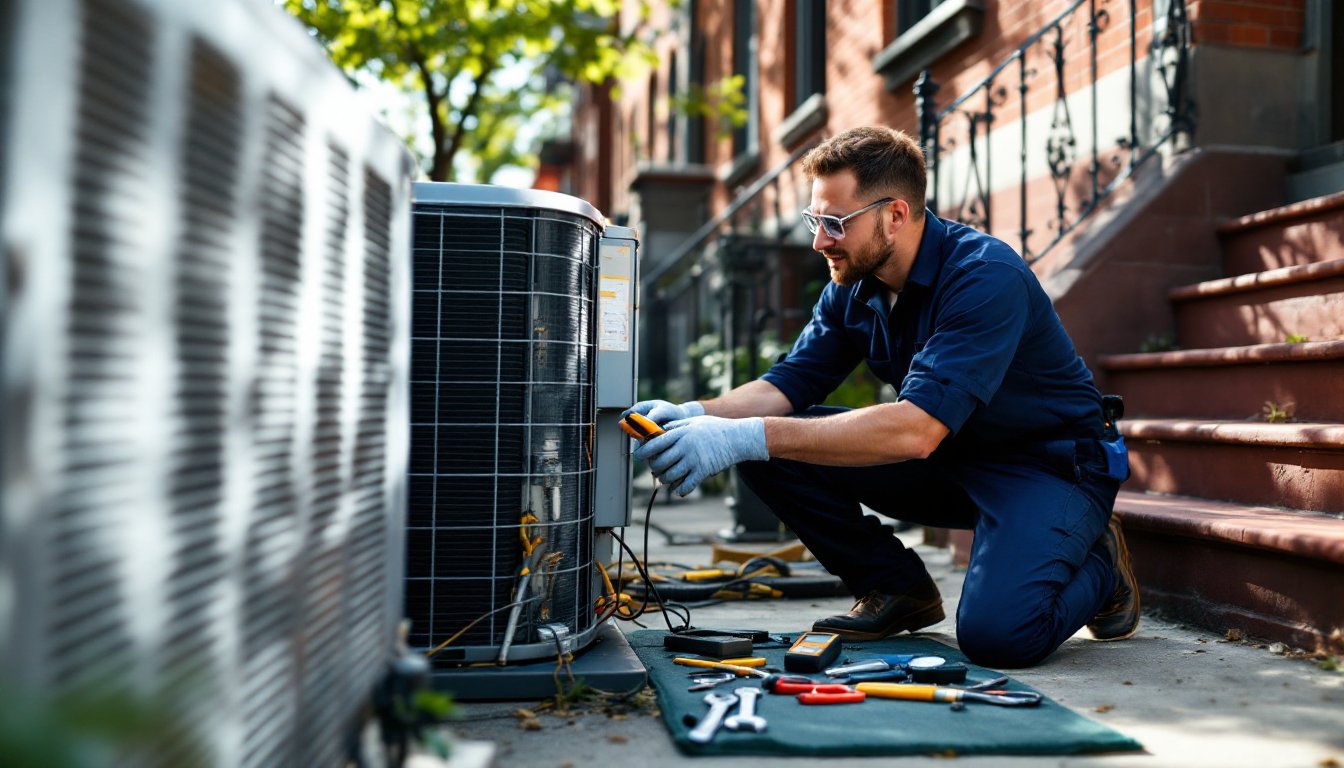
Professional tune-ups cost $80-150 in Colorado Springs and typically include combustion analysis, amp draw testing on the blower, burner adjustment, and a multi-point safety inspection. Local pricing research shows that annual maintenance contracts (usually $120-200/year) include priority service and discounts on repairs, which pays off fast during an emergency.
Permits: Furnace replacement, significant duct modifications, and gas line work require permits through the City of Colorado Springs or El Paso County (depending on your location). Permit costs run $50-150 but ensure inspections that catch dangerous installations. Skipping permits can complicate home sales and void warranties.
Find contractors through the Better Business Bureau or verified service platforms that screen for licensing and insurance. In Colorado, HVAC contractors must hold a state license and carry liability insurance. Ask for proof before anyone touches your system.
Seasonal Maintenance Checklist for Colorado Springs Homeowners
Colorado’s heating season runs roughly October through April, with occasional September and May cold snaps. Timing maintenance around those bookends keeps your system reliable.
Early Fall (September):
- Replace furnace filter
- Test thermostat and replace batteries if needed
- Clear return and supply vents of furniture, curtains, and dust
- Schedule professional inspection if you haven’t had one in 12+ months
- Check and replace CO detector batteries
- Inspect visible ductwork in basement/crawlspace for disconnected joints or damage from rodents (surprisingly common in Colorado Springs)
Mid-Winter (January):
- Replace filter again (or check/replace if using longer-life filters)
- Clear snow and ice from exterior exhaust and intake vents, PVC pipes sticking out of your foundation can clog with snow, causing the furnace to shut down
- Listen for unusual noises (squealing, rumbling, banging all indicate different problems)
- Verify all registers are open and unblocked
Spring (April-May):
- Final filter change of the season
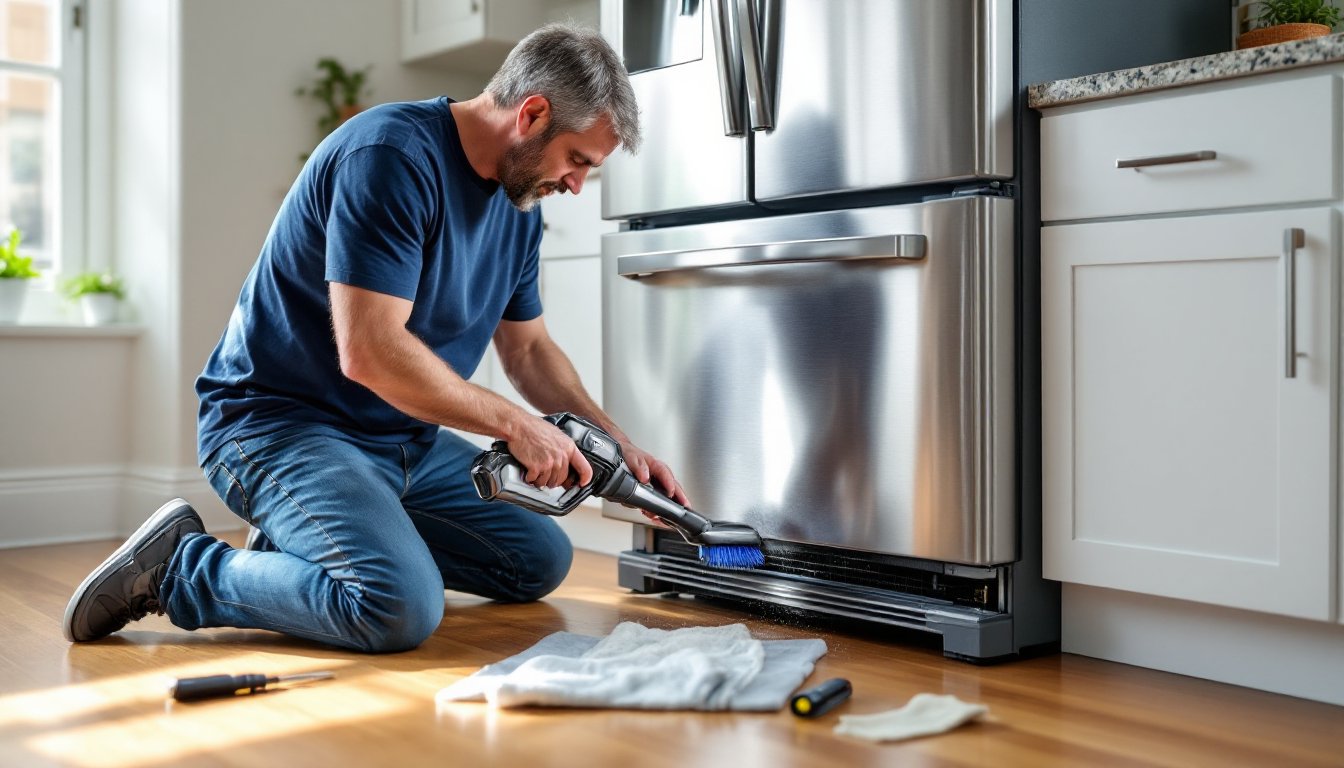
- Vacuum around the furnace cabinet and blower compartment (power off first)
- Note any repairs needed for next season
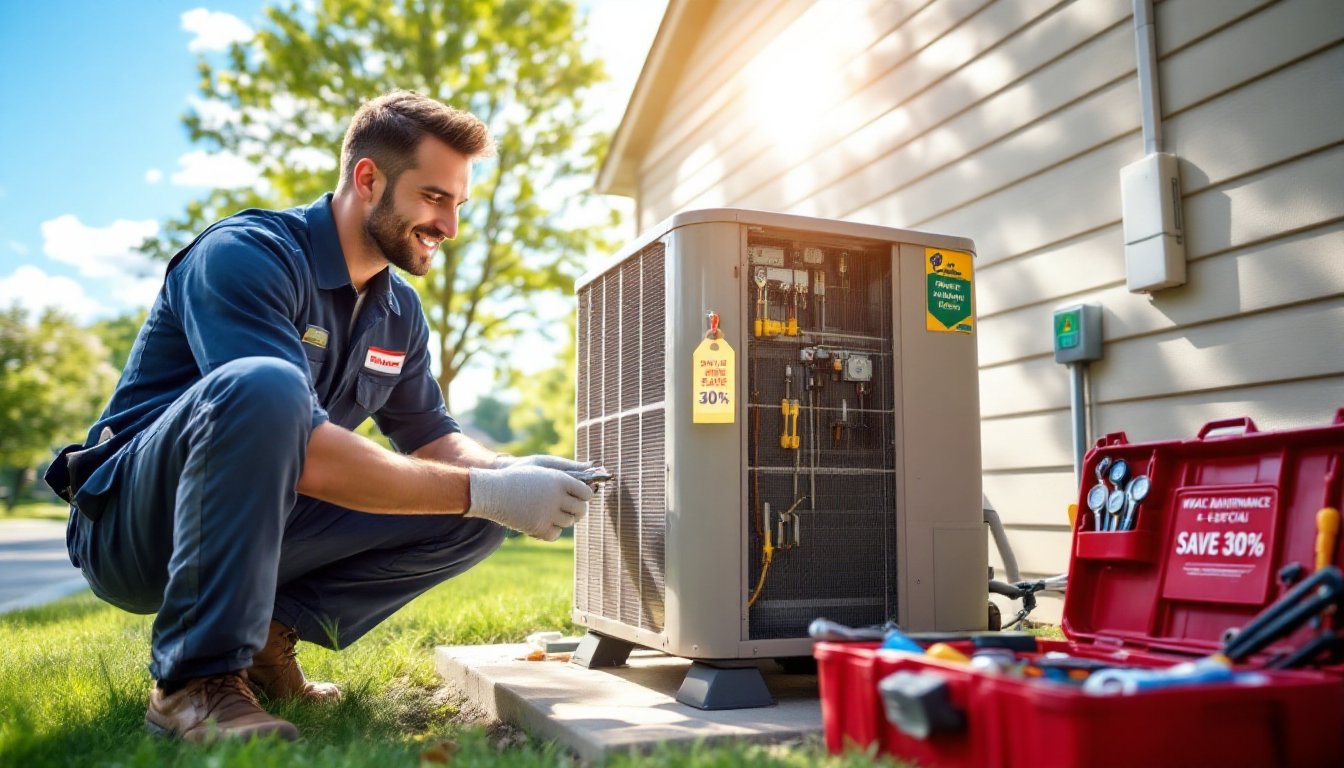
- If you have central AC, now’s the time for that system’s pre-season check
Year-Round:
- Keep the area around the furnace clear, International Residential Code requires 30 inches of clearance on the service side
- Never store paint, gasoline, or chemicals near the furnace (fire and toxic fume risks)
- If you hear the furnace cycling on and off rapidly (short cycling), check the filter first, if it’s clean, call for service
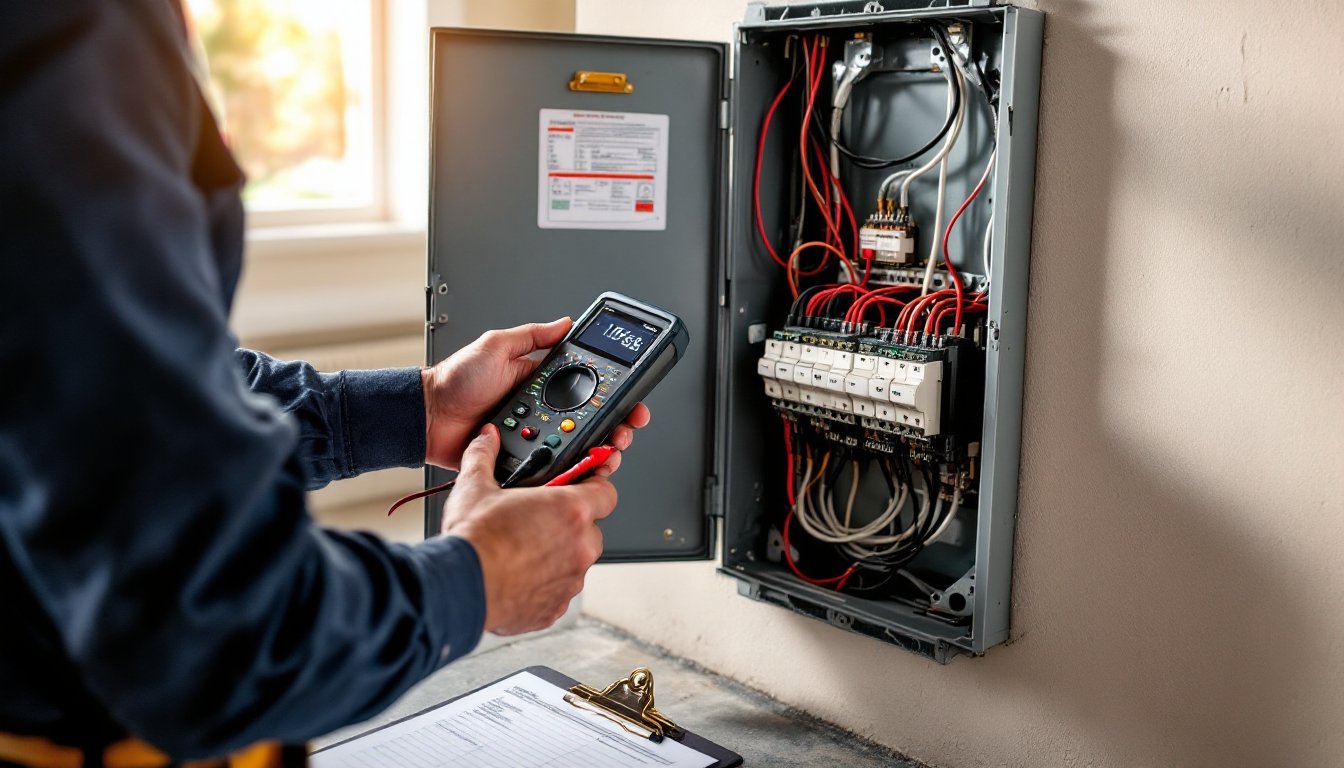
Tools you should own: A good flashlight, screwdrivers (both types), needle-nose pliers, and a multimeter if you’re comfortable checking voltage (helpful for thermostat troubleshooting). A shop vac is invaluable for cleaning around the unit.
PPE for furnace work: Safety glasses (dust and rust flakes fall when you open panels), work gloves, and a dust mask if you’re sensitive to particulates. The furnace compartment gets filthy in Colorado’s dry climate.
Conclusion
Furnace maintenance in Colorado Springs isn’t complicated, but it’s non-negotiable. Handle the basics yourself, filters, thermostats, and keeping things clear, and bring in professionals for the technical and safety-critical work. A furnace that gets attention twice a year (DIY check in fall, pro inspection every 1-2 years) will outlast a neglected one by 5-10 years and cost far less to operate. Don’t wait until it’s 15 degrees outside to find out your system needed a $40 part three months ago.