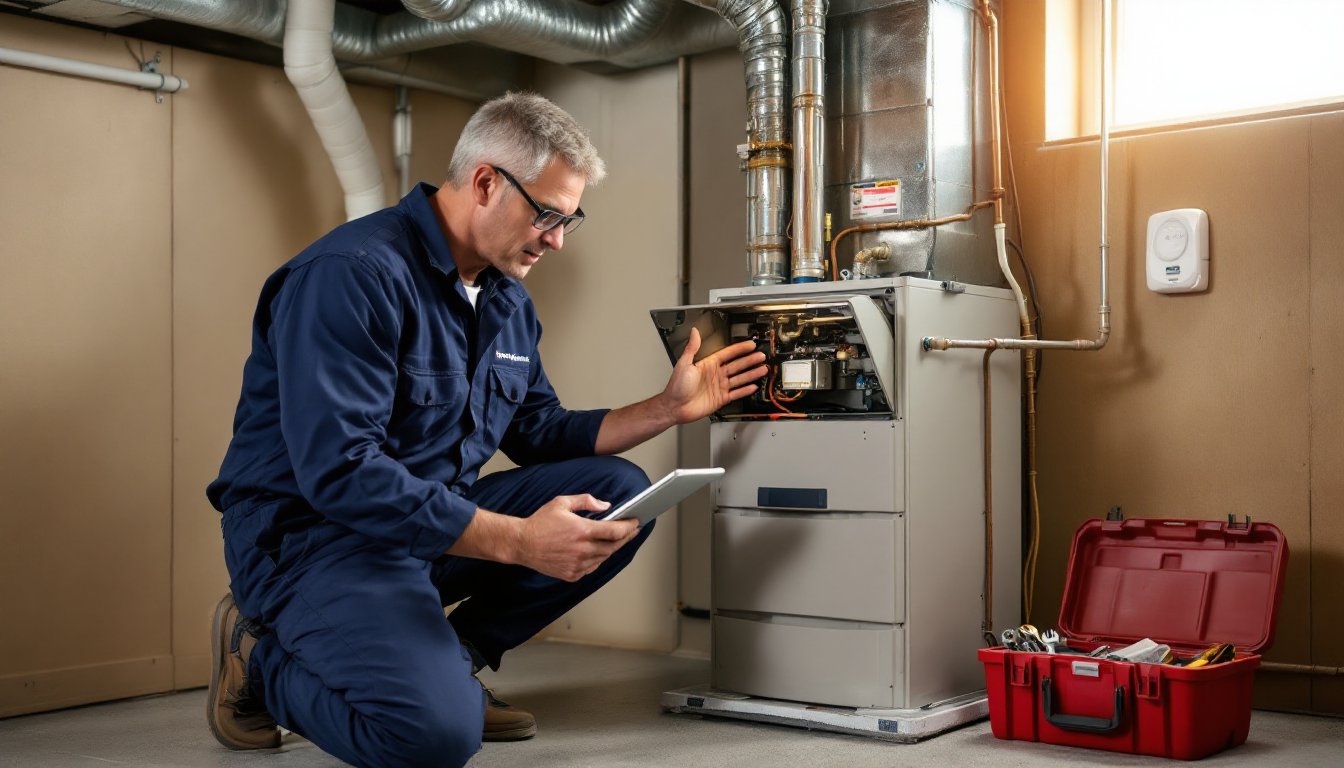
A furnace that fails on the coldest night of January isn’t just inconvenient, it’s dangerous and expensive. Most heating system breakdowns happen when the unit’s working hardest, and the majority are preventable with consistent yearly maintenance. Whether you’re running a gas-fired forced-air system or an electric model, annual service keeps efficiency high, carbon monoxide risks low, and surprise repair bills at bay. This guide walks through what homeowners can handle themselves, what requires a licensed HVAC tech, and how to spot trouble before it turns into a middle-of-the-night emergency.
Table of Contents
ToggleKey Takeaways
- Annual furnace yearly maintenance prevents 15–30% increases in utility bills and extends system lifespan from 12–15 years to 18–25 years by keeping efficiency high and safety risks low.
- Schedule professional furnace maintenance in late August through October before heating season to avoid emergency rates, secure faster parts availability, and access discounted maintenance plans ($150–$300 annually).
- Homeowners can safely replace filters monthly, test thermostats and flame color, inspect vent pipes, and clear clearance areas, but heat exchanger cracks, gas pressure issues, and electrical problems require a licensed HVAC technician.
- Blue flames are normal on gas furnaces; yellow or orange flames indicate incomplete combustion and carbon monoxide production—shut down the system immediately and call a professional.
- Immediate warning signs requiring emergency action include gas odor, burning plastic smell, carbon monoxide detector activation, and loud banging or screeching, while clogged filters, weak airflow, and unusual utility bill spikes warrant prompt scheduling.
Why Annual Furnace Maintenance Matters for Homeowners
Skipping furnace maintenance doesn’t save money, it defers it, usually with interest. A neglected system works harder to produce the same heat, driving up utility bills by 15–30% over a season. Dust buildup on burners and heat exchangers forces longer run cycles, and a clogged filter chokes airflow until the blower motor burns out.
Safety ranks even higher than efficiency. Gas furnaces produce carbon monoxide during combustion, and a cracked heat exchanger can leak that odorless, deadly gas into living spaces. Annual inspections catch cracks, flame rollout, and improper venting before they become hazards. Electric furnaces don’t carry CO risks, but faulty wiring and overheating elements still present fire dangers.
Manufacturer warranties often require proof of annual professional service. Miss a year, and you might void coverage on a $1,200 heat exchanger or $800 blower assembly. Most extended warranties have the same stipulation. Beyond the paperwork, a well-maintained furnace lasts 18–25 years: one that’s ignored might fail at 12–15.
Regular maintenance also keeps your home comfortable. Uneven heating, constant cycling, and weak airflow usually trace back to dirty components or calibration drift that yearly service would’ve corrected. A system running at peak performance delivers consistent temperatures in every room without the thermostat battles.
Best Time to Schedule Your Furnace Maintenance
Book professional service in late August through October, before heating season starts and before HVAC companies hit their busiest stretch. Waiting until November means competing with everyone whose furnace just quit, and techs are triaging emergencies instead of doing thorough preventive work.
Early fall gives time to order parts if the inspection uncovers worn components. A $40 flame sensor or $150 inducer motor ordered in September arrives before you need heat. The same part in December might take a week while you’re running space heaters.
Some contractors offer discounted rates for off-season scheduling or maintenance plans that include annual tune-ups. These plans typically run $150–$300 per year and often include priority emergency service and discounts on repairs. If you’re comfortable committing to one company, the math usually works out.
For DIY tasks like filter changes and thermostat checks, early September is ideal. You’ll catch issues before the first cold snap, and hardware stores still have full stock of filters and batteries. Don’t wait for the furnace to kick on automatically, test it yourself in moderate weather so you’re not diagnosing problems when it’s 28°F outside.
DIY Furnace Maintenance Tasks You Can Do Yourself
Homeowners can handle several maintenance tasks safely, saving the cost of a service call for straightforward upkeep. Always shut off power at the breaker and turn the gas valve to “OFF” before working on the furnace. Keep a flashlight and basic hand tools nearby.
Cleaning and Replacing Your Furnace Filter
Furnace filters are the single most important DIY task, and the one most commonly ignored. A clogged filter starves the system of air, causing the limit switch to trip repeatedly and potentially cracking the heat exchanger from overheating.
Locate the filter, usually in a slot at the return air duct near the furnace, or inside the blower compartment. Check the current filter for a size printed on the cardboard frame (common sizes: 16x25x1, 20x20x1, 16x20x4). Note the airflow direction arrows.
Standard fiberglass filters (MERV 1-4) cost $1–$3 and last 30 days. Pleated filters (MERV 8-13) run $8–$20 and last 90 days but check monthly in heavy-use seasons. High-MERV filters (13+) catch more particles but can restrict airflow in older systems not designed for them. If you’re running a MERV 13, verify your blower can handle the static pressure or you’ll shorten its lifespan.
Replace, don’t “clean,” disposable filters. Reusable electrostatic filters can be vacuumed and rinsed, but they must dry completely before reinstalling or mold will grow in the ducts.
While the filter’s out, use a shop vac and a damp rag to clean visible dust around the blower compartment. Don’t spray water or cleaner into electrical components.
Inspecting Your Thermostat and Safety Features
A miscalibrated or dying thermostat causes short-cycling, uneven temps, and wasted energy. Replace the batteries (if applicable) every fall, even “low battery” warnings often come too late.
Set the thermostat to heat mode and raise the temperature 5°F above current room temp. Listen for the furnace to ignite within 30–60 seconds. The blower should start shortly after. If there’s a long delay, clicking sounds, or the burners don’t light, that’s a service call.
Check the flame sensor sight glass (if your model has one). The flame should be steady and blue. Yellow or flickering flames indicate incomplete combustion, shut the system down and call a tech. That’s a carbon monoxide risk.
Test smoke and carbon monoxide detectors on every level of the house, especially near bedrooms. Replace any units older than 10 years (smoke) or 7 years (CO). This isn’t furnace-specific, but it’s life-safety assignments that belongs on the same checklist.
Inspect the vent pipe (if you have a mid-efficiency furnace with a metal flue). Look for rust, gaps, or soot stains. High-efficiency units use PVC vent pipes, check that they’re securely connected and free of blockages like bird nests or ice dams. Don’t attempt repairs yourself: venting issues require a licensed HVAC tech.
Clear the area around the furnace. The National Fire Protection Association (NFPA) and most local codes require 30 inches of clearance on all sides. Move stored paint, cardboard, cleaning supplies, and anything flammable.
What Professional HVAC Technicians Check During Annual Service
A legitimate annual service call takes 60–90 minutes and covers components homeowners shouldn’t touch. Expect to pay $80–$150 for a standard tune-up, more if repairs are needed. Many pros offer comprehensive maintenance checklists that detail what’s included.
Gas valve and burner assembly: Techs measure gas pressure at the manifold, check the orifices for debris, and observe flame characteristics. Incorrect pressure or dirty burners cause incomplete combustion and carbon monoxide production.
Heat exchanger inspection: This is the most critical safety check. Cracks or rust holes allow combustion gases into the air supply. Techs use mirrors, cameras, or combustion analyzers to inspect the exchanger. Replacement costs $1,200–$2,000, often totaling the furnace on older units.
Inducer motor and pressure switches: The inducer fan (on power-vented and high-efficiency furnaces) exhausts combustion gases and creates negative pressure to prove the vent is clear. Techs test the pressure switch operation and check the inducer wheel for cracks.
Flame sensor and igniter: The flame sensor (a thin metal rod near the burners) proves the burners are lit. If it’s coated in carbon buildup, the furnace will ignite then shut down after a few seconds. Techs remove and clean it. Hot surface igniters are fragile ceramic and fail after 5–10 years: a tech will note if yours is nearing end-of-life.
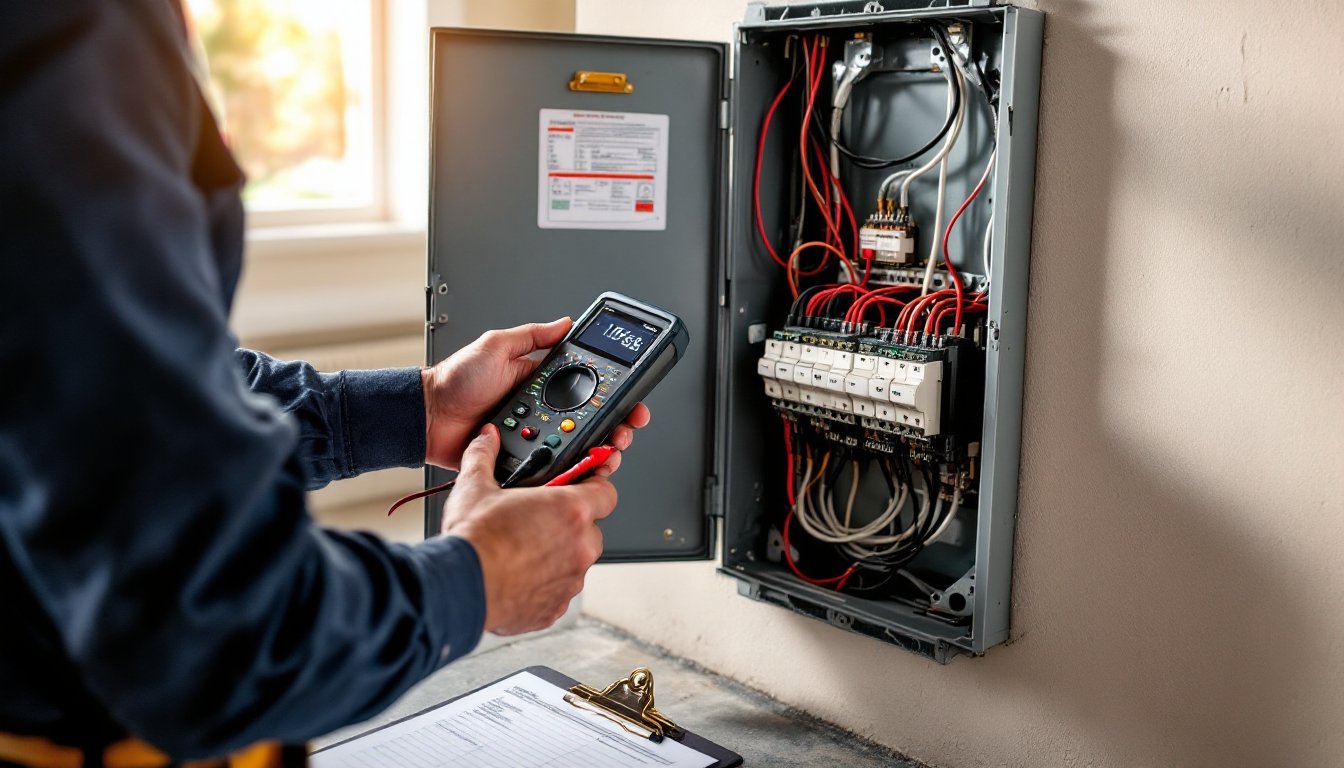
Blower motor and capacitor: Techs measure amp draw on the blower motor to catch bearings going bad before they seize. The capacitor (which gives the motor a start boost) is tested with a multimeter. A failing capacitor causes hard starts and shortened motor life: replacement costs $100–$200 installed.
Electrical connections and controls: Loose wiring causes arcing and shorts. Techs tighten terminals, check for burnt wires, and test the limit switches and rollout switches. These safety controls shut the furnace down if it overheats or flames roll out of the combustion chamber.
Condensate drain (high-efficiency furnaces): High-efficiency models produce acidic condensate that drains via PVC pipe. Techs flush the drain, check the trap for clogs, and verify the drain terminates properly. A blocked drain triggers a safety switch and shuts the furnace down.
Ductwork inspection (if included): Some plans include checking visible ducts for leaks, disconnected joints, and damaged insulation. Leaky return ducts pull in unconditioned air and allergens: leaky supply ducts waste 20–40% of heated air into attics and crawlspaces.
Ask for a printed report or photos of what was checked. Good techs document findings and flag parts nearing end-of-life so you can budget for future repairs instead of getting blindsided.
Warning Signs Your Furnace Needs Immediate Attention
Some symptoms mean “schedule service soon.” Others mean “shut it down now and call a pro.” Here’s how to tell the difference.
Immediate shutdown situations: If you smell gas (rotten egg odor from the additive), leave the house, don’t flip switches or use phones indoors, and call the gas company or fire department from outside. If you smell burning plastic or see smoke, kill power at the breaker and call for service. If your carbon monoxide detector goes off, evacuate and call 911, don’t assume it’s a false alarm.
Yellow or orange flames on a gas furnace indicate incomplete combustion and CO production. Blue is correct. Shut the system down and get a tech out before running it again.
Loud banging, screeching, or rumbling: A single “boom” on startup often means delayed ignition (gas builds up then ignites all at once). That’s hard on the heat exchanger and needs correction. Screeching points to blower motor bearings. Rumbling after burners shut off can indicate a cracked heat exchanger. None of these are DIY fixes.
Frequent cycling: If the furnace runs for less than a few minutes before shutting off, then restarts shortly after, suspect a clogged filter, bad flame sensor, or failing limit switch. Try a new filter first. If that doesn’t solve it, call for service.
Weak or no airflow from registers: Check the filter and verify the blower door is fully seated (most furnaces won’t run if the access panel is loose). If airflow’s still weak, the blower motor or capacitor may be failing.
Spike in utility bills without increased usage suggests the system’s losing efficiency. That could be a leaky heat exchanger, ductwork leaks, or a burner running rich. Homes with smart thermostats can track common heating and cooling problems by reviewing runtime data for unusual patterns.
Visible rust or corrosion on the heat exchanger, vent pipes, or around the base of the furnace indicates a leak or condensation issue. High-efficiency furnaces produce acidic condensate: if the drain’s clogged, it can corrode the heat exchanger from the inside.
Age: If your furnace is 18+ years old and needs a major repair (heat exchanger, blower, gas valve), replacement often makes more financial sense than repair. Modern units are 95–98% AFUE (Annual Fuel Utilization Efficiency) compared to 60–80% for older models. Upgrading can cut heating bills significantly and may qualify for utility rebates or tax credits. Many professional contractors can provide cost comparisons between repair and replacement based on your specific system and local energy rates.
When in doubt, trust your gut. If something feels or sounds wrong, don’t wait until the system fails completely. A $150 service call that catches a $40 part early beats a $1,500 emergency repair on a holiday weekend.