Maintenance checklists for beginners can transform chaos into order. Whether someone manages a home, a vehicle, or equipment at work, a simple checklist prevents costly repairs and forgotten tasks. Many people skip regular upkeep because they don’t know where to start. The result? Small problems become expensive emergencies. This guide breaks down everything beginners need to know about creating and using maintenance checklists. Readers will learn why these tools matter, what to include, and how to build a system that actually sticks.
Table of Contents
ToggleKey Takeaways
- Maintenance checklists for beginners transform overwhelming upkeep into manageable, visible tasks that prevent costly emergency repairs.
- Preventive maintenance can reduce equipment failures by up to 50% and extend the life of home appliances, vehicles, and tools.
- Effective checklists include clear task descriptions, scheduled frequencies, assigned responsibilities, and space for tracking and notes.
- Start small with 10-15 essential tasks organized by frequency (weekly, monthly, seasonal, annual) before expanding your maintenance checklist.
- Link maintenance tasks to existing routines and schedule a brief weekly review to build consistency and stay on track.
- Flexibility matters—adjust your checklist over time and forgive missed items to maintain long-term success.
Why Maintenance Checklists Matter
A maintenance checklist keeps tasks visible and manageable. Without one, people forget oil changes, filter replacements, and seasonal inspections. These forgotten tasks add up fast.
Studies show that preventive maintenance can reduce equipment failures by up to 50%. For homeowners, regular upkeep extends the life of appliances, HVAC systems, and roofing. For vehicle owners, it means fewer breakdowns and better resale value.
Maintenance checklists also reduce stress. Instead of wondering “Did I check the smoke detectors this year?” a person can glance at their list and know for certain. This mental clarity saves time and energy.
Beginners often underestimate how much they forget. A maintenance checklist acts as an external memory, reliable, consistent, and always available. It removes guesswork from the equation entirely.
Essential Components of an Effective Checklist
Not all maintenance checklists work equally well. The best ones share a few key features.
Clear Task Descriptions
Each item should describe exactly what needs to happen. “Check HVAC” is vague. “Replace HVAC air filter” is specific. Specific tasks get done. Vague ones get skipped.
Frequency or Schedule
Every task needs a timeline. Some tasks happen weekly (like checking tire pressure). Others happen annually (like flushing the water heater). A good maintenance checklist assigns each item to a specific interval.
Assigned Responsibility
Who does the task? In a household, one person might handle outdoor maintenance while another manages indoor systems. In a workplace, specific team members take ownership. Clear assignments prevent the “I thought you were doing that” problem.
Completion Tracking
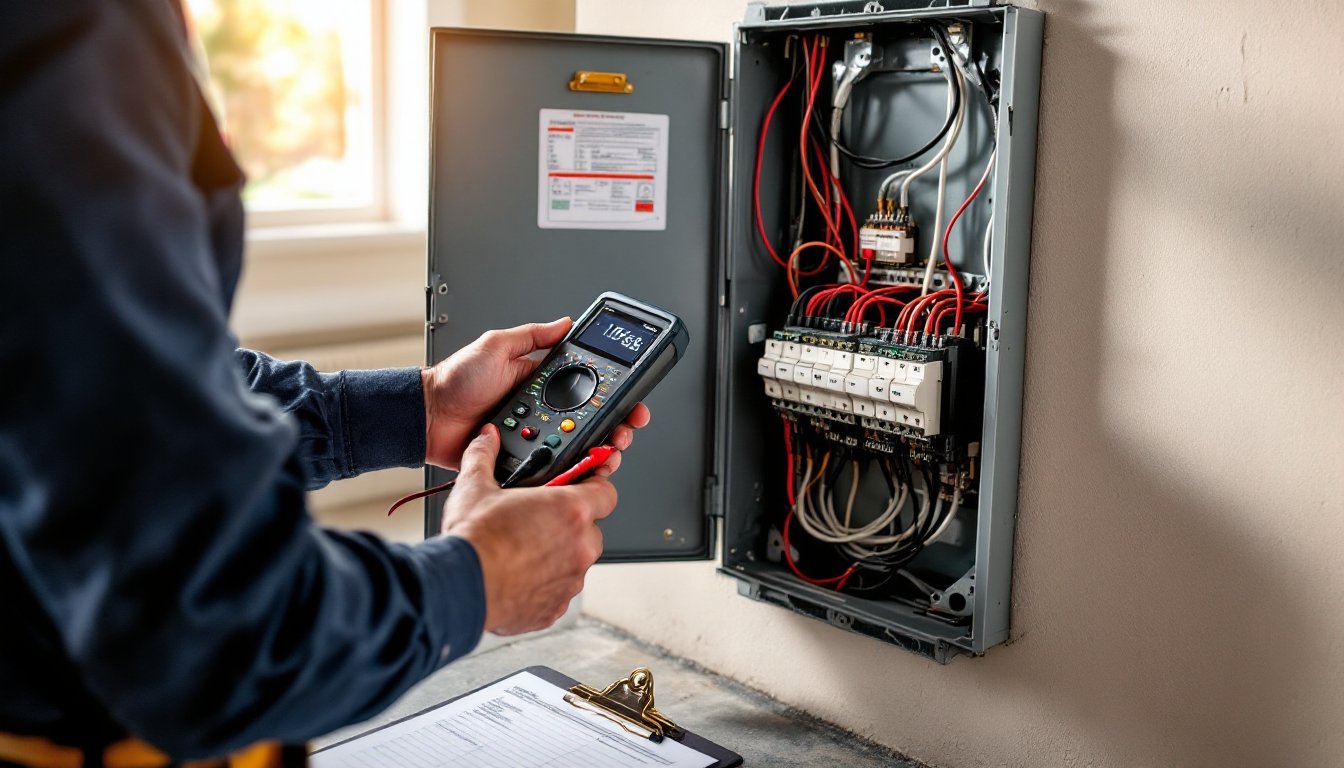
A checkbox or date field lets users confirm when tasks finish. This creates a record. If something breaks, that record helps identify whether maintenance happened on schedule.
Space for Notes
Conditions change. A maintenance checklist should include room for observations like “filter looked dirtier than usual” or “noticed small leak.” These notes catch problems early.
Common Types of Maintenance Checklists
Different areas of life call for different maintenance checklists. Here are the most common types beginners should consider.
Home Maintenance Checklists
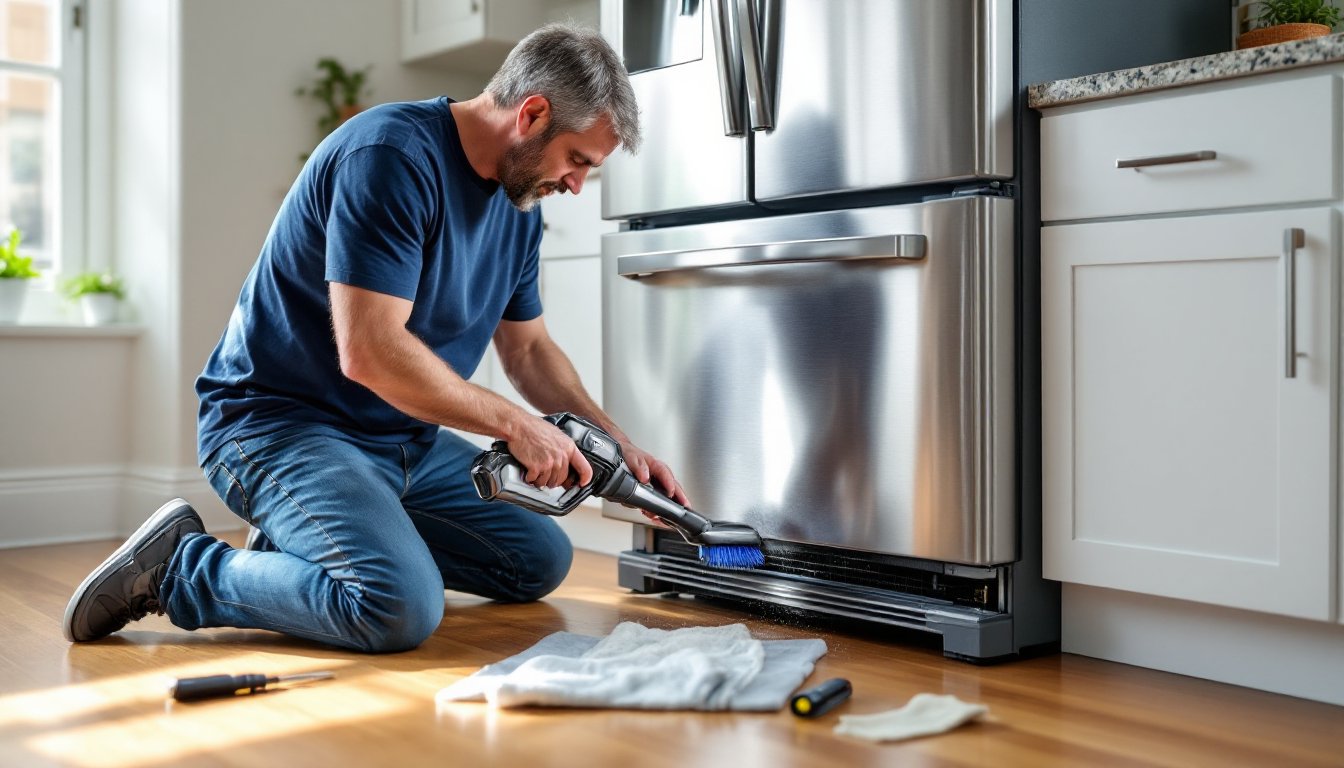
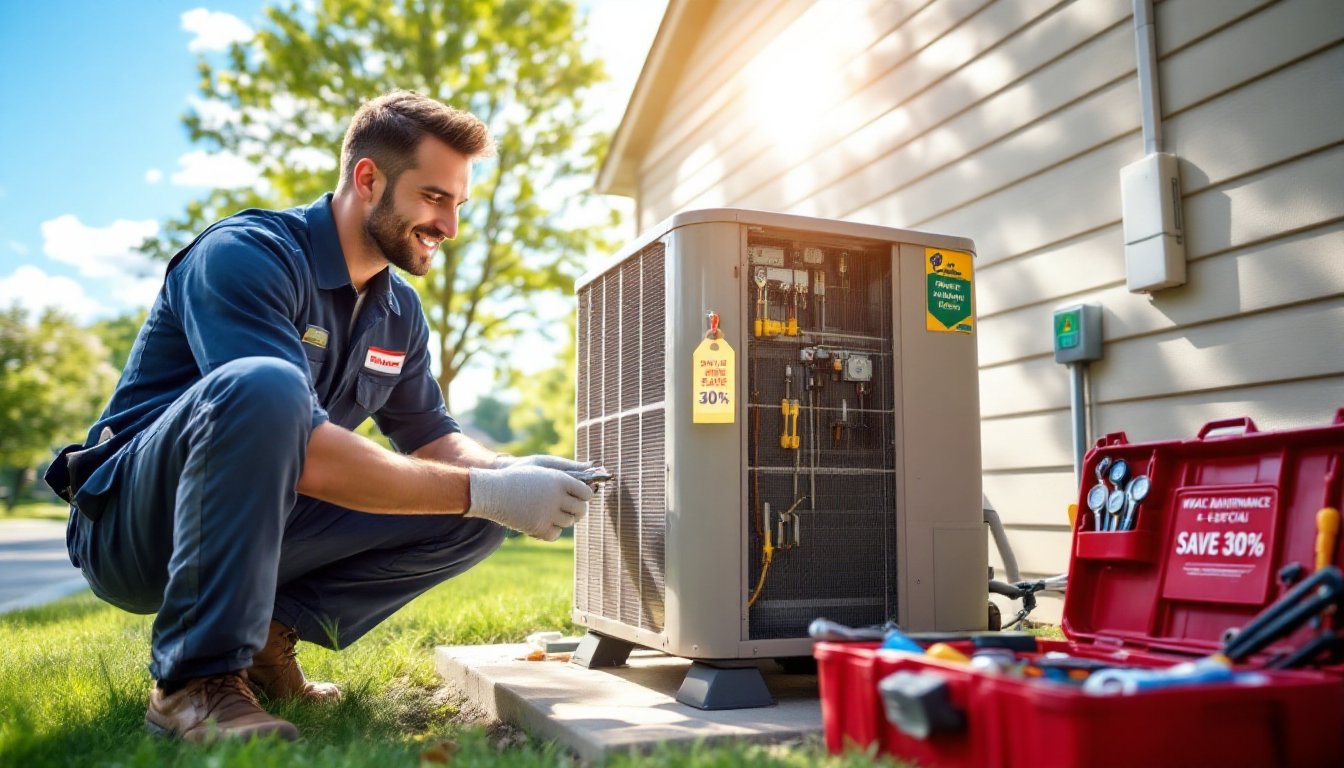
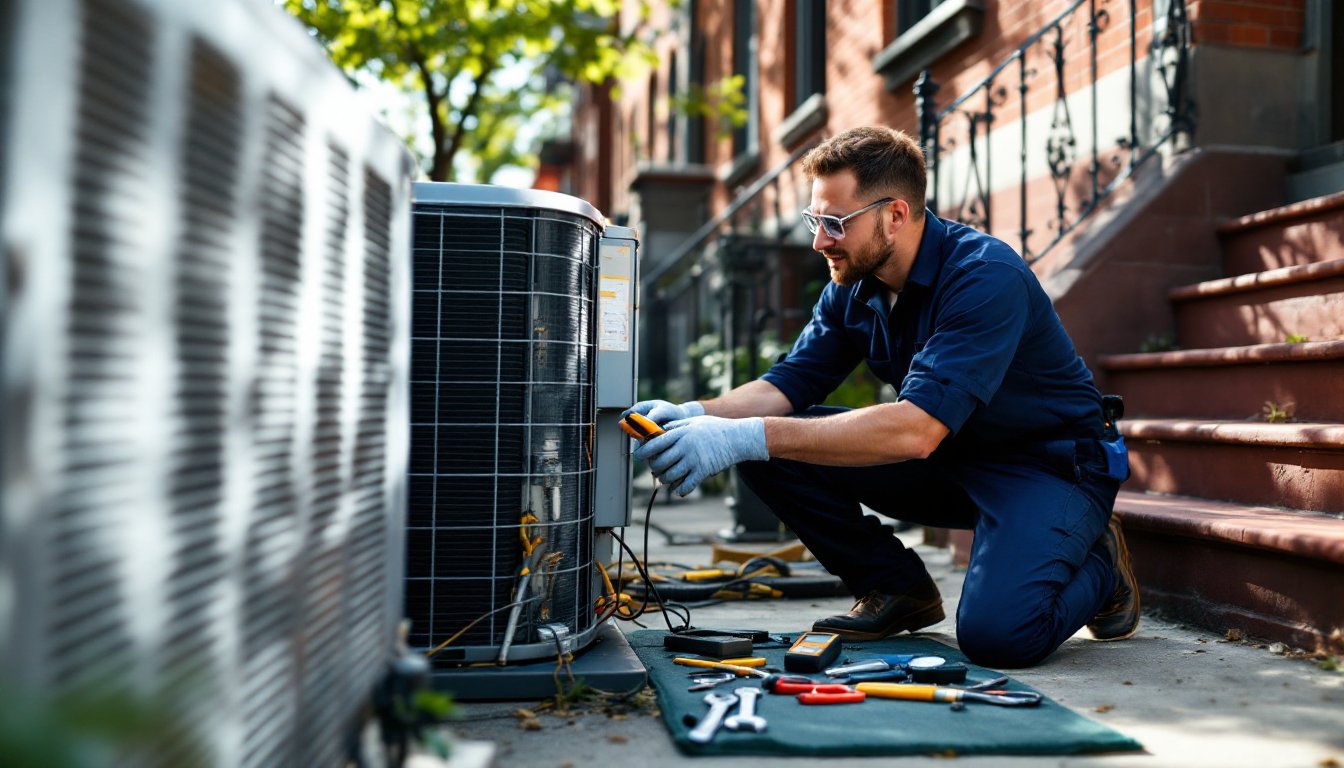
These cover everything inside and outside a house. Monthly tasks might include testing smoke detectors and checking for leaks. Seasonal tasks cover gutter cleaning, HVAC servicing, and weatherproofing. Annual items include roof inspections and water heater maintenance.
Vehicle Maintenance Checklists
Cars, trucks, and motorcycles need regular attention. Oil changes, tire rotations, brake inspections, and fluid top-offs all belong on a vehicle maintenance checklist. Most manufacturers provide recommended service intervals in the owner’s manual.
Equipment and Tool Checklists
Power tools, lawn equipment, and workshop machinery last longer with care. Cleaning, lubrication, blade sharpening, and safety checks keep these items running safely.
Personal and Health Checklists
Some people extend the maintenance checklist concept to their own lives. Annual physicals, dental cleanings, and medication refills fit this category. It’s an unusual application, but it works.
Beginners should start with one type. Trying to manage every area at once leads to burnout. Pick the area with the most urgent needs first.
How to Create Your First Maintenance Checklist
Building a maintenance checklist takes about 30 minutes. Here’s a step-by-step approach.
Step 1: List everything that needs maintenance. Walk through the home, car, or workspace. Write down every item that requires regular attention. Don’t edit yet, just brainstorm.
Step 2: Research recommended intervals. Manufacturer guidelines, online resources, and product manuals provide suggested maintenance schedules. A furnace filter might need monthly replacement. A roof might need annual inspection. Gather this information for each item.
Step 3: Organize by frequency. Group tasks into categories: weekly, monthly, quarterly, seasonal, and annual. This structure makes the maintenance checklist easier to use.
Step 4: Choose a format. Some people prefer paper checklists posted on the refrigerator. Others use spreadsheets or apps. The best format is the one that gets used consistently. Beginners often succeed with simple paper lists before moving to digital tools.
Step 5: Set reminders. A maintenance checklist sitting in a drawer helps no one. Calendar alerts, phone notifications, or a weekly review habit keep the list active.
Step 6: Start small. Don’t create a 50-item list on day one. Begin with 10-15 essential tasks. Add more over time as the habit develops.
Tips for Staying Consistent With Your Routine
Creating a maintenance checklist is easy. Following it consistently is harder. These strategies help beginners build lasting habits.
Link tasks to existing routines. Checking the car’s tire pressure works well on the same day as grocery shopping. Inspecting smoke detectors fits naturally with paying monthly bills. Pairing new tasks with established habits increases follow-through.
Schedule a weekly review. Five minutes each Sunday can cover upcoming maintenance tasks. This brief check prevents surprises and keeps the maintenance checklist relevant.
Celebrate completed tasks. Crossing items off a list feels satisfying. That small reward reinforces the behavior. Some apps add gamification elements, but even a paper checklist provides that visual progress.
Adjust as needed. A maintenance checklist should evolve. If a task proves unnecessary, remove it. If something important was missed, add it. Flexibility keeps the system useful.
Forgive missed items. Life happens. Missing a task doesn’t mean failure. The goal is improvement over time, not perfection. Beginners who expect 100% compliance often quit entirely after the first slip.